

A Crossroads of Eras: Exploring the Galerie Alte – Neue Meister in Schwerin
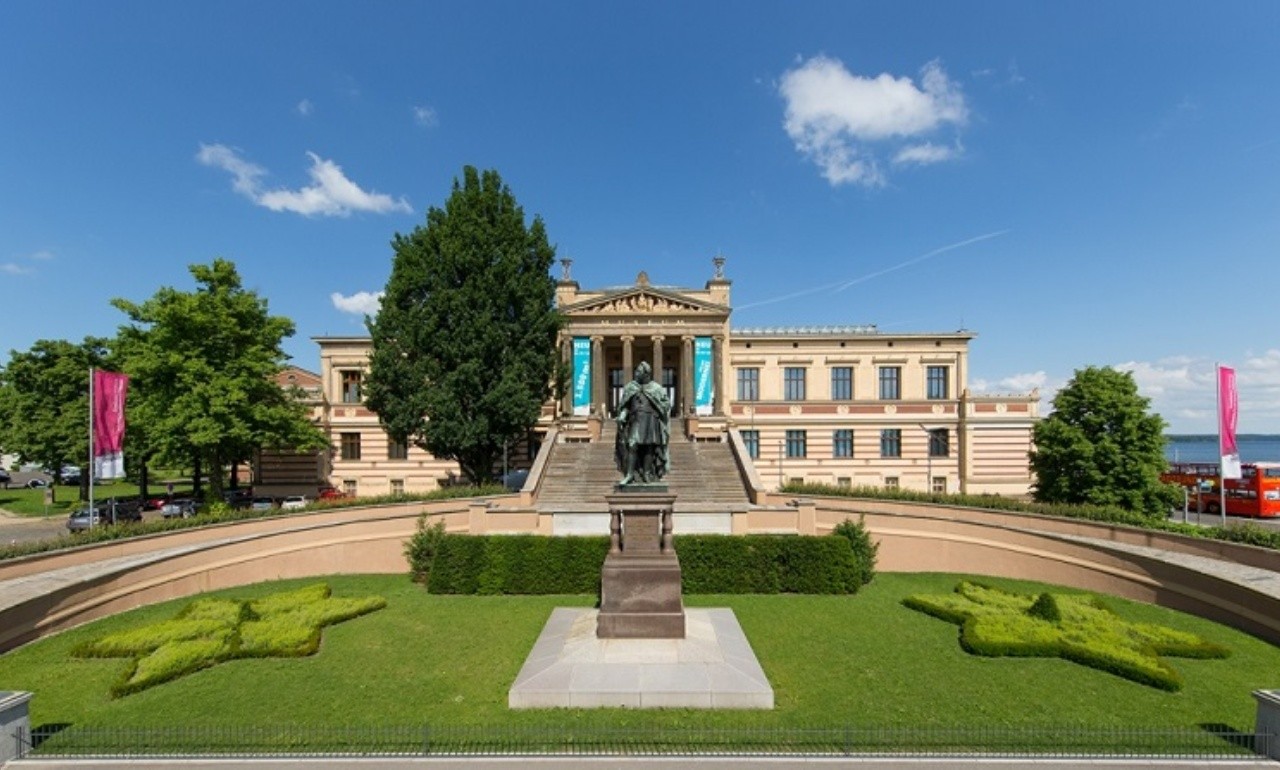
Nestled within the historic heart of Schwerin, Germany—a city steeped in Slavic lore and crowned by a magnificent castle—lies the Galerie Alte – Neue Meister, a museum that defies easy categorization. It’s not merely a repository of old masters; it's a vibrant dialogue across centuries, a carefully curated conversation between the weighty traditions of the Dutch Golden Age and the radical experimentation of modern art. Founded with a vision to showcase both established masterpieces and groundbreaking innovations, this institution offers an unexpectedly dynamic experience for visitors seeking to understand the evolution of artistic expression.
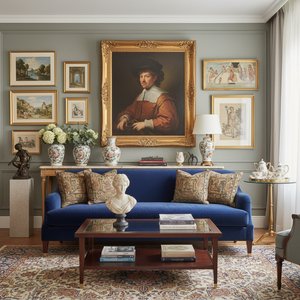
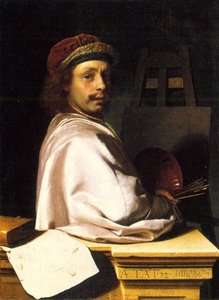
The museum’s origins are intrinsically linked to Duke Christian Ludwig II, a passionate collector whose discerning eye shaped its initial collection. His love affair with 17th-century Dutch painting—particularly works by Rembrandt, Rubens, and Frans van Mieris – forms the bedrock of the Galerie's renowned holdings. This early emphasis on the “Golden Age” is immediately apparent upon entering, where a stunning array of portraits, landscapes, and genre scenes commands attention. However, the museum’s story doesn’t end there. Recognizing the need to reflect the changing artistic landscape, Duke Ludwig expanded his vision, ultimately leading to the establishment of the Galerie Alte – Neue Meister as we know it today—a testament to his forward-thinking approach.
A Duchampian Revelation and Baroque Splendor
The Galerie’s collection is far from a static display of historical artifacts. A truly remarkable aspect lies in its dedicated space for Marcel Duchamp, one of the 20th century's most influential figures. This isn’t simply a scattering of his works; it’s a thoughtfully assembled exhibition that illuminates the conceptual foundations of his art. Duchamp’s provocative sculptures and readymades—challenging traditional notions of artistic creation—sit alongside more familiar pieces, prompting visitors to reconsider their own understanding of what constitutes “art.” Adjacent to this groundbreaking collection resides an exquisite Baroque ivory collection – a testament to the meticulous craftsmanship of a bygone era. These intricately carved figures, depicting biblical scenes and allegorical subjects, showcase the remarkable skill of Italian artisans during the 17th century. The juxtaposition of Duchamp’s radical ideas with the refined elegance of Baroque ivory creates a compelling tension, highlighting the museum's commitment to showcasing diverse artistic approaches.
Günther Uecker: A Master of Tactile Innovation
Beyond the established masters, the Galerie Alte – Neue Meister proudly displays the work of Günther Uecker, a German artist who redefined painting through his innovative use of nails. His “Nail Paintings”—bold, textured surfaces created by hammering nails directly onto canvas—represent a radical departure from traditional techniques. These works are not merely decorative; they’re intensely physical and emotionally charged, inviting viewers to engage with the materiality of paint itself. Uecker's contribution is particularly significant as it bridges the gap between historical painting traditions and contemporary artistic practices, demonstrating a lineage of experimentation that continues to inspire artists today.
A Legacy Within Staatliches Museum Schwerin
The Galerie Alte – Neue Meister operates within the broader framework of the Staatliches Museum Schwerin / Ludwigslust / Güstrow—a network of museums dedicated to preserving and showcasing the artistic heritage of Mecklenburg-Vorpommern. This connection provides a rich context for understanding the museum’s collection, which draws upon centuries of regional art history. The museum's reopening in October 2025 promises an expanded exhibition space and further opportunities to explore the region’s artistic legacy. The Staatliches Museum also houses medieval treasures, Dutch Masters, and Marcel Duchamp’s groundbreaking collection—a testament to its commitment to showcasing a diverse range of artistic expressions.
More Than Just Art: A Journey Through Schwerin's History
Visiting the Galerie Alte – Neue Meister is more than just an art experience; it’s a journey through Schwerin’s rich history. The city itself—with its imposing castle, serene lakes, and layered architectural styles—serves as a captivating backdrop for the museum’s collection. The influence of figures like Lutz Graf Schwerin von Krosigk, who served as finance minister during pivotal moments in German history, is subtly woven into the museum's narrative. Exploring Schwerin offers a deeper appreciation for the cultural and political forces that shaped the Galerie Alte – Neue Meister and its remarkable holdings.