Menu
FREE ART CONSULTATION

Fukuoka Asian Art Museum

Quick Facts

  • Featured artists:
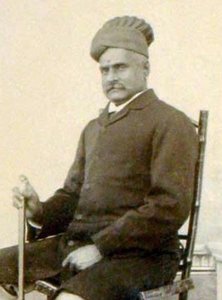
    • Raja Ravi Varma
    • nguyễn phan chánh
    • Zhang Xiaogang
    • jamini nath roy
    • Fang Lijun
  • Historical periods:
    • 19th century
    • contemporary
    • modern
  • Alternate names:
    • 福岡アジア美術館
    • Fukuoka Asian Art Museum
    • Fukuoka Ajia Bijutsukan
    • FAAM
  • Location: Fukuoka, Japan
  • More…
  • Mediums:
    • acrylic
    • acrylic on canvas
    • black and white photography
    • mixed media
    • oil on canvas
  • Movements:
    • abstract expressionism
    • baroque folk art
    • bollywood poster design
    • contemporary
    • contemporary art
  • Works on APS: 82
  • Art types:
    • other
    • photo
    • sculpture
    • textile
    • wallart

Art Quiz

There is only one correct answer for each question.

Question 1:
What is the primary focus of the Fukuoka Asian Art Museum?
Question 2:
Approximately how many artworks are housed in the museum's collection?
Question 3:
The museum’s architectural design prioritizes:
Question 4:
What distinguishes the museum’s collection from many other institutions?
Question 5:
Which artistic style is exemplified by i dewa putu mokoh's work?

A Beacon of Asian Modernity: Exploring the Fukuoka Asian Art Museum

Nestled in the heart of Hakata, Fukuoka Prefecture, Japan, the Fukuoka Asian Art Museum stands as a singular institution—a dedicated portal into the dynamic world of modern and contemporary art from across Asia. Established in 1999, it wasn’t conceived merely as another repository for artistic treasures, but rather as a deliberate bridge, fostering dialogue and understanding between diverse cultures that often remain separated by vast distances and historical narratives. Fukuoka itself has long served as a crucial gateway, historically facilitating commerce and cultural exchange between Japan and the Asian mainland; the museum beautifully embodies this legacy, acting as a contemporary conduit for artistic expression. The very spirit of the place feels imbued with a sense of openness, an invitation to explore the multifaceted identities that comprise the continent’s artistic landscape.

A Tapestry of Artistic Voices

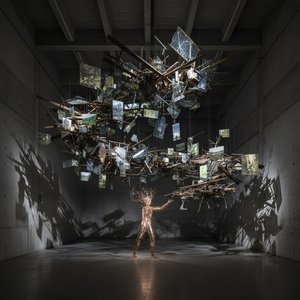
The museum's collection is breathtaking in its scope and ambition, encompassing over 3,000 works sourced from twenty-three different countries. This isn’t a curated selection focused on established masters alone; rather, it actively champions emerging artists, providing them with an international platform to showcase their visions. Visitors can immerse themselves in a remarkable range of mediums—from the immediacy of paintings and sculptures to the immersive qualities of installations and the thought-provoking narratives woven through video art. What truly distinguishes this collection is its emphasis on contemporary expression; it’s a living, breathing reflection of the evolving artistic landscape across Asia, capturing the anxieties, aspirations, and innovations that define the region today. One can discover works like those by i dewa putu mokoh, whose baroque folk style beautifully blends Hindu-Javanese traditions with intimate depictions of Balinese life, or encounter the unique blend of techniques employed by Saya U Saw Maung, a Burmese artist who challenges conventional boundaries. The museum doesn’t shy away from complex themes; it embraces them, offering visitors an opportunity to engage with art that is both aesthetically compelling and intellectually stimulating.

Architecture as a Supporting Role

While specific details regarding the architectural design remain understated, the building itself is thoughtfully conceived to enhance the visitor experience. It's not about imposing a grand statement, but rather creating a space that feels conducive to contemplation and engagement with the artwork. The intention is clear: the architecture serves as a supporting element, allowing the art to take center stage. This subtle approach allows for an unhindered connection between viewer and creation, fostering a deeper appreciation for the nuances of each piece—a deliberate choice reflecting Fukuoka’s commitment to understated elegance and prioritizing artistic impact above ostentation.

A History Rooted in Cultural Exchange

The founding of the Fukuoka Asian Art Museum was no accident. It arose from a broader initiative aimed at strengthening cultural ties within Asia, recognizing that artistic exchange is a powerful tool for building understanding and dismantling barriers. The museum’s establishment reflects Fukuoka's historical role as a vital hub—a place where ideas have converged and flourished for centuries. This commitment to cross-cultural dialogue isn’t merely symbolic; it’s woven into the very fabric of the institution, influencing its curatorial choices, outreach programs, and overall mission. The museum actively seeks to promote collaboration between artists from different countries, fostering a sense of shared creativity and mutual respect—a testament to Fukuoka's enduring legacy as a crossroads of civilizations.

More Than Just an Exhibition Space

What truly sets the Fukuoka Asian Art Museum apart is its unwavering dedication to showcasing art *solely* from Asia. In a world where many museums boast encyclopedic collections spanning continents and eras, this focused approach allows for a depth of engagement that would otherwise be impossible. It’s not simply about displaying beautiful objects; it's about creating a space for nuanced exploration, critical analysis, and genuine appreciation of the diverse artistic traditions within Asia—a journey designed to inspire contemplation and broaden perspectives on global cultural heritage. The museum functions as a vital cultural gateway, inviting visitors to delve into narratives that celebrate resilience, innovation, and the transformative power of artistic expression.