Menu
FREE ART CONSULTATION

Duomo della Vergine Assunta

Quick Facts

  • Works on APS: 1
  • Location: Naples, Italy
  • Featured artists: thomas malvern (malvico)
  • Alternate names: Museo del Tesoro

Art Quiz

There is only one correct answer for each question.

Question 1:
What architectural style is predominantly used in the Duomo della Vergine Assunta?
Question 2:
The Chapel of San Gennaro houses a relic that is famous for its phenomenon known as:
Question 3:
Who is considered the most prominent painter associated with Naples Cathedral?
Question 4:
The Museo del Tesoro within the cathedral complex showcases:
Question 5:
What ancient basilica is incorporated into the cathedral's structure?

A Tapestry of Faith and Art: The Duomo della Vergine Assunta

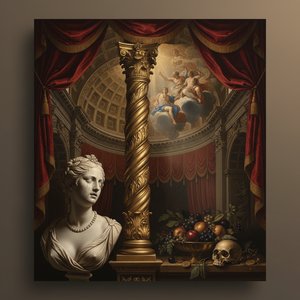
The Duomo della Vergine Assunta dominates Naples’ skyline—a monumental testament to centuries of ecclesiastical grandeur and artistic innovation. More than just a building, it embodies the soul of Neapolitan history, weaving together Gothic origins, Renaissance refinements, and Baroque exuberance into an unforgettable visual experience. Approaching its imposing façade feels like stepping back in time, preparing visitors for an immersion into a realm where divine devotion intersects seamlessly with masterful craftsmanship. The cathedral isn’t merely observed; it is *felt*, a palpable presence that resonates with the weight of centuries and the fervor of countless prayers.

Foundations of Faith: Echoes of Antiquity

Before the magnificent structure we see today stood two ancient basilicas—Santa Restituta and San Lorenzo Maggiore—testaments to Naples’ enduring connection to Christianity from its earliest days. Excavations beneath the cathedral reveal fragments of these churches, adorned with stunning mosaics depicting biblical scenes and reflecting Byzantine artistic influences. These relics serve as a poignant reminder that the Duomo's story began long before the Angevin kings commissioned its transformation into a Gothic masterpiece. The original basilica’s walls still stand proudly, offering glimpses into Naples’ spiritual heritage—a subtle layering of belief that informs every stone above. Imagine walking where early Christians once worshipped, their faith echoing in the very foundations of this grand edifice.

The Angevin Gothic Vision: Reaching for Heaven

Charles I of Anjou initiated the ambitious project of rebuilding the cathedral in the 13th century, adopting the soaring arches and ribbed vaults characteristic of Gothic architecture—a stylistic choice that dramatically elevated the cathedral's stature and grandeur. Skilled craftsmen from across Europe traveled to Naples to contribute their expertise, resulting in a structure that embodies the ideals of medieval piety and artistic aspiration. The cathedral’s nave is particularly impressive, its vaulted ceiling reaching towards the heavens and illuminated by stained glass windows that bathe the interior in ethereal light. This wasn't simply about building larger; it was about creating a space that drew the eye—and the soul—upward, toward the divine.

Baroque Splendor: Giordano’s Flourishing Brushstrokes

The Duomo’s transformation into a Baroque cathedral began in earnest during the reign of Philip II—a period marked by an explosion of artistic creativity fueled by papal patronage. Luca Giordano, arguably Naples’ most celebrated painter, undertook numerous commissions within the cathedral complex, imbuing its chapels with vibrant colors and dynamic compositions that capture the fervor of religious devotion. His frescoes depict biblical narratives with dramatic flair, utilizing techniques like *chiaroscuro* to create a palpable sense of movement and emotion—a hallmark of Baroque artistry. Particularly noteworthy is Giordano’s depiction of “The Visitation,” housed in the Cappella San Gennaro, showcasing his mastery of color and perspective; figures seem to leap from the walls, caught in moments of profound spiritual significance.

The Chapel of Saint Januarius: A Miracle Embodied

At the cathedral's heart lies the Chapel of Saint Januarius—a space dedicated to Naples’ patron saint and a focal point for one of Christendom’s most extraordinary phenomena: the Miracle of the Liquefaction. This chapel is adorned with opulent Baroque ornamentation, featuring gilded stuccoes, sculpted alabaster panels, and a magnificent dome frescoed by Giovanni Lanfranco—a testament to Neapolitan artistic prowess. The centerpiece of the chapel is the reliquary containing Saint Januarius’ dried blood—which miraculously liquefies several times annually—drawing pilgrims from across the globe who seek solace and divine blessing. This spectacle embodies Naples' profound spiritual identity and continues to inspire awe and reverence, a tangible link between faith and the extraordinary.

Treasures Beneath Stone: Museo del Tesoro

Beneath the cathedral’s soaring nave lies the Museo del Tesoro (Treasury Museum), housing an unparalleled collection of ecclesiastical art—including intricately crafted silverwork, lavish liturgical vestments adorned with precious gems, and sculptures commemorating saints and biblical figures. These artifacts offer invaluable insights into Naples’ artistic heritage and its enduring connection to the Catholic Church, reflecting centuries of royal patronage and artistic innovation. Exploring the Museo del Tesoro is akin to embarking on a journey through time—a captivating exploration of Neapolitan craftsmanship and devotion. It's a space where artistry isn't just admired; it's understood as an expression of deep-seated belief. The museum’s collection provides a unique opportunity for collectors and interior designers seeking inspiration from historical forms and techniques, offering a glimpse into the opulence and symbolism that defined Neapolitan religious art. The Duomo della Vergine Assunta is not simply a monument; it's a living testament to the power of faith, artistry, and the enduring spirit of Naples.