The Heart of Trier: Unveiling the Museum Am Dom
Nestled within the ancient Roman heart of Trier, Germany, the Museum Am Dom (Museum at the Cathedral) isn’t merely a repository of artifacts; it's a profound journey through millennia of history, a tangible connection to the rise and fall of empires, and a testament to the enduring spirit of this pivotal city. Perched directly beside the magnificent Trier Cathedral – one of the oldest continuously used churches in Europe – the museum offers an unparalleled experience for art lovers, historians, and anyone captivated by the layered narratives woven into the very stones of the region.
The museum’s collection is remarkably focused, yet breathtakingly comprehensive. It centers primarily on the Roman period of Trier, a time when the city served as the capital of the Roman province of Germania Superior and later became one of the most important administrative centers in the vast Roman Empire. The core strength lies within its exceptional assemblage of mosaics – some of the finest examples surviving from antiquity. These aren’t simply decorative floor coverings; they are vibrant windows into the daily life, religious beliefs, and artistic sensibilities of a thriving urban community. You'll find intricate depictions of mythological scenes, marine life, geometric patterns, and even representations of everyday Roman activities, all painstakingly crafted with tiny tesserae of stone, glass, and ceramic. The sheer scale and detail of these mosaics are astonishing, particularly considering the tools available to their creators nearly two thousand years ago.
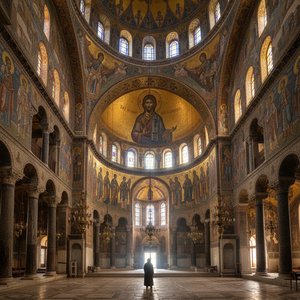
Architectural Marvels and Historical ContextThe museum itself is a captivating blend of old and new. Constructed in 1984, it’s housed within a meticulously restored former imperial palace – the Palatinus – which dates back to the 2nd century AD. This remarkable building provides an immediate sense of connection to Trier's Roman past. The original foundations are visible beneath the modern structure, and the museum’s design cleverly incorporates elements of the ancient palace, creating a dialogue between eras. The building’s orientation is deliberately aligned with the cathedral, emphasizing the city’s religious significance throughout its history – from Roman Mithraic temples to the Christian Cathedral that dominates the skyline today.
Beyond the mosaics, the collection includes an impressive array of artifacts unearthed during archaeological excavations in Trier. These range from everyday objects like pottery and tools to more elaborate items such as jewelry, weapons, and sculptures. A significant portion is dedicated to the city’s early Christian history, reflecting Trier's role as a crucial center for the spread of Christianity in the Roman Empire. The museum thoughtfully presents this evolution, demonstrating how religious beliefs shifted and adapted within the context of a continuously evolving urban landscape.
Notable Exhibitions and Ongoing Research
The Museum Am Dom regularly hosts temporary exhibitions that delve deeper into specific aspects of Trier’s history. These events often focus on particular mosaics, archaeological discoveries, or connections between Roman Trier and the wider world. Recently, exhibitions have explored the influence of Byzantine art on Trier's mosaics and investigated the lives of ordinary citizens during the Roman period. The museum actively engages in ongoing research projects, utilizing cutting-edge technology – including 3D scanning and digital reconstruction – to further our understanding of the site’s archaeological remains. This commitment to scholarship ensures that the museum’s collection continues to evolve and offer fresh insights into Trier's rich past.
A Sanctuary for Art and History
What truly distinguishes the Museum Am Dom is its ability to seamlessly blend historical significance with artistic appreciation. It’s not simply a place to view ancient objects; it’s an immersive experience that transports visitors back in time. The careful curation, combined with the building's evocative architecture and the palpable sense of history, creates a profoundly moving atmosphere. The museum’s location within the cathedral complex adds another layer of resonance – a reminder of Trier’s enduring spiritual heritage.
Designing with History: Inspiration for Interior Design
For interior designers and collectors seeking inspiration rooted in antiquity, the Museum Am Dom offers a treasure trove of ideas. The mosaics themselves provide a stunning example of Roman decorative artistry – their intricate patterns, vibrant colors, and masterful craftsmanship are endlessly captivating. The museum’s use of light to highlight these mosaics is particularly noteworthy, creating an atmosphere of both reverence and wonder. Furthermore, the integration of ancient architectural elements into the modern building demonstrates how historical context can be skillfully incorporated into contemporary design. The subtle echoes of the Palatinus within the museum's structure offer a powerful reminder of the enduring legacy of Roman Trier.
To learn more about current exhibitions and visiting hours, please visit: https://www.museum-am-dom-trier.de/english/the-museum/index.html