
A Surreal Labyrinth: Stepping into Dalí’s Living Dream
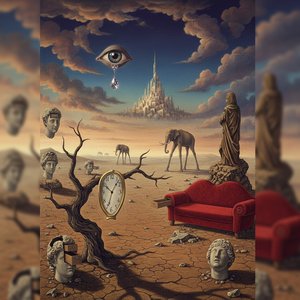
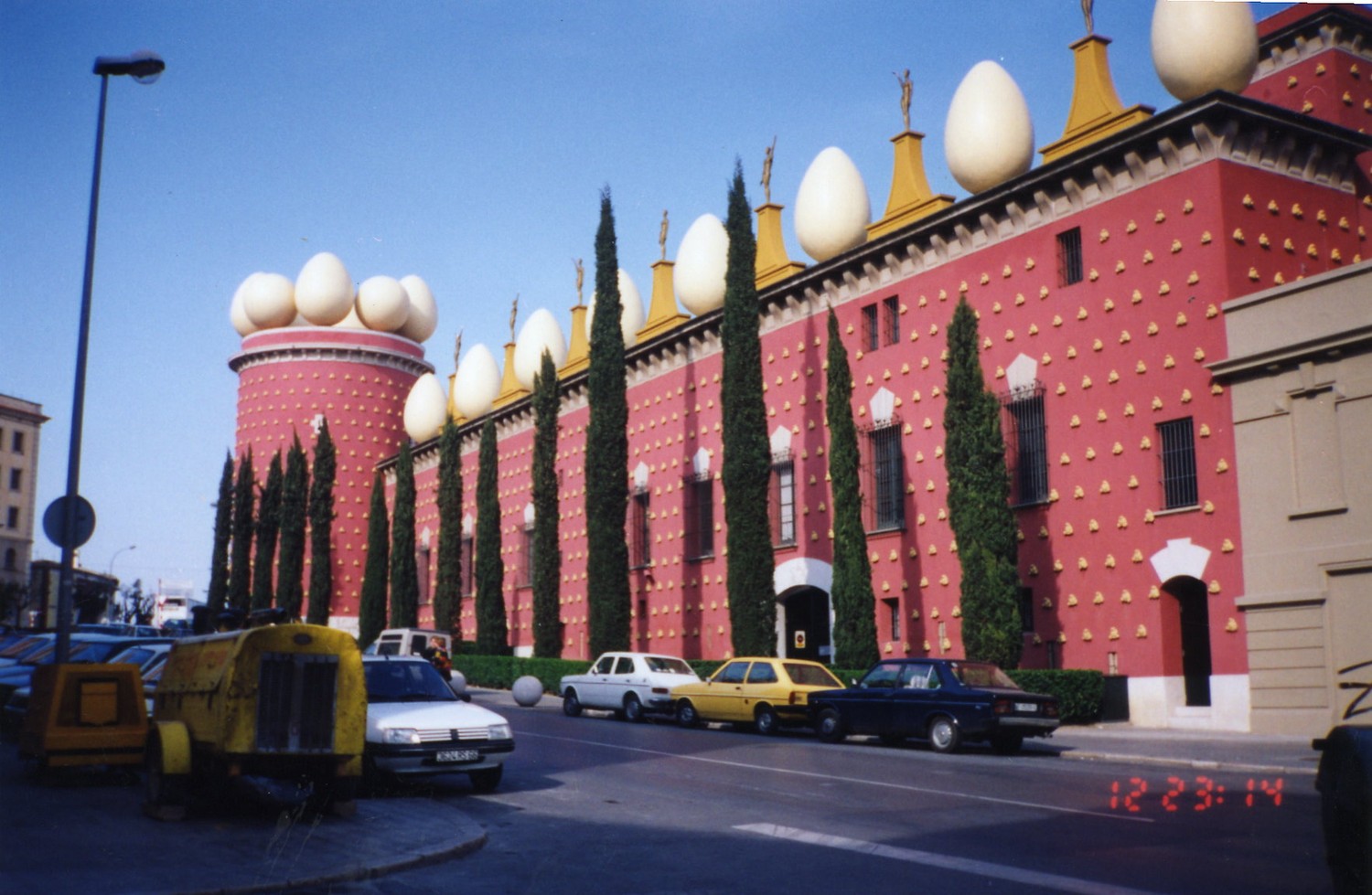
To enter the Dalí Theatre and Museum in Figueres is not merely to visit an exhibition, but to surrender oneself to a meticulously crafted hallucination. Located in the heart of the Spanish town where Salvador Dalí was born, this monumental structure serves as the artist's final, most ambitious masterpiece—a self-portrait rendered in stone, glass, and theatrical illusion. The museum is built upon the ruins of the old Figueres Municipal Theatre, a site that holds profound personal significance for the artist, who first showcased his burgeoning talent on its very stages. Dalí did not simply curate a collection here; he breathed life into an architectural organism, transforming a damaged historical landmark into a sprawling, surrealist labyrinth designed to disorient the rational mind and awaken the subconscious.
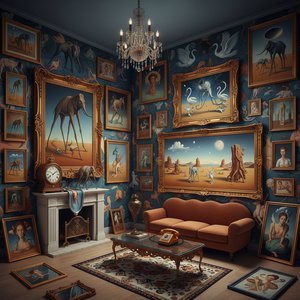
The architecture itself acts as a gateway to another dimension. As visitors approach, they are met with a striking, seemingly chaotic assemblage of shapes that culminate in a magnificent geodesic dome. This structure, which crowns the former stage, allows natural light to flood the interior, creating a celestial atmosphere that contrasts with the psychological shadows found within the galleries. The museum is a total environment where the boundaries between art and reality dissolve. One might wander through courtyards open to the sky or navigate rooms where furniture appears to cling to the ceilings, all while encountering optical illusions and anamorphic tricks that Dalí embedded into the very fabric of the building. It is a space designed for wonder, where the logic of the everyday world is replaced by the fluid, often unsettling, beauty of a dreamscape.
The Anatomy of Genius: Masterpieces and Metamorphosis
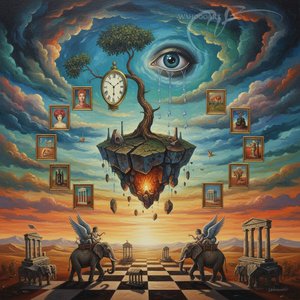
Within these transformative walls lies the most extensive collection of Dalí’s work in existence, offering an unparalleled journey through his entire creative evolution. The collection serves as a visual biography, tracing his path from early experiments with Cubist and Futurist influences to the definitive, iconic language of Surrealism. Visitors can witness the technical brilliance of works like Port Alguer , which reveals the artist's nascent mastery, before moving into the profound psychological depths of his mature period. The museum houses provocative explorations of desire and transformation, such as The Spectre of Sex-appeal , alongside pieces that embody his obsession with decay and metamorphosis, most notably the self-deconstructing Soft Self-portrait with Grilled Bacon .
For the discerning collector or lover of fine art, the collection offers a breathtaking variety of media. Beyond the celebrated oil paintings, the museum showcases intricate drawings, prints, jewelry designs, and even holographic creations that demonstrate Dalí’s relentless innovation. One cannot escape the charm of his more whimsical, pop-culture-adjacent inventions, such as the Mae West Lips Sofa , a piece of functional art that transforms into the unmistakable lips of a Hollywood icon when viewed from a specific angle. This ability to find the extraordinary within the ordinary is a hallmark of the museum's spirit. By including works by artists he deeply admired—such as El Greco and Marcel Duchamp—the museum also situates Dalí within a broader historical lineage, presenting him not as an isolated eccentric, but as a pivotal figure in the grand tapestry of twentieth-century art.
A Legacy of Infinite Imagination
The enduring impact of the Dalí Theatre and Museum lies in its ability to remain a living, breathing entity. It is not a static monument to the past, but a vibrant center for intellectual and artistic dialogue. Through groundbreaking exhibitions that explore themes ranging from psychoanalysis and Freudian theory to science fiction and ancient mythology, the museum continues to challenge contemporary perceptions of reality. It serves as a beacon for Surrealism, inviting scholars and casual observers alike to delve into the psychological depths of the human experience. For interior designers and art enthusiasts, the museum stands as the ultimate inspiration—a testament to how art can redefine space, influence culture, and turn the very act of viewing into a profound, transformative performance.