

A Legacy of American Artistry: Exploring the Corcoran Gallery of Art
The Corcoran Gallery of Art, nestled in the heart of Washington, D.C., stands as a testament to America’s artistic spirit—a beacon established in 1869 that continues to inspire and educate visitors today. More than just a repository of masterpieces, it represents a pivotal moment in the nation's cultural trajectory, marking one of its earliest ventures into public art patronage and fostering an enduring tradition of artistic scholarship.- Foundation & Early Years: Founded by William Wilson Corcoran, a wealthy banker with a fervent passion for supporting the arts, the gallery’s initial mission was ambitious – to cultivate American talent and establish a national institution dedicated solely to visual art. This pioneering spirit propelled its rapid growth in the late 19th century and cemented its position as a cornerstone of Washington D.C.’s cultural landscape.
- A Collection Defined by Vision: The gallery’s core strength resides in its extraordinary American art collection, spanning from colonial landscapes to groundbreaking contemporary pieces. Artists like Hiram Powers—whose monumental sculpture “The Oath of Allegiance” powerfully embodies the ideals of republican citizenship—and countless others have graced its halls, shaping the narrative of American artistic expression.
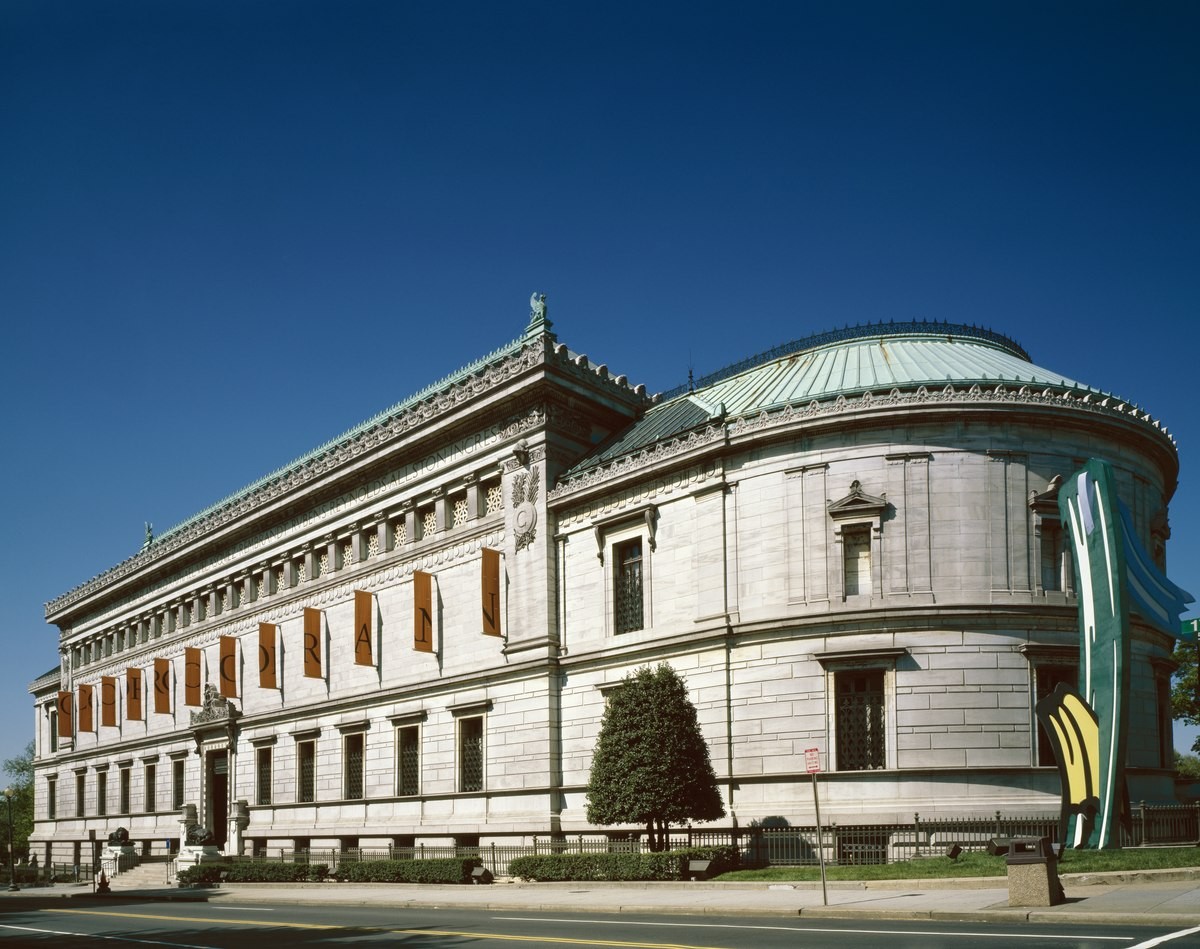
- Architectural Grandeur: The gallery’s building itself is an architectural marvel – a Beaux-Arts masterpiece conceived by Ernest Flagg in 1897. Its imposing façade, adorned with bronze statues and intricate ornamentation, commands attention on The Ellipse, near the White House, reflecting the grandeur of its era and symbolizing artistic excellence.
- The Corcoran School of Art & Design: For decades, the gallery housed the Corcoran School of Art & Design, nurturing generations of artists and designers who went on to shape American culture. This educational legacy underscores the museum’s commitment to fostering creativity and disseminating knowledge about art history.
Notable exhibitions throughout its history have showcased diverse artistic movements—from Impressionism to Abstract Expressionism—demonstrating the gallery's responsiveness to evolving aesthetic sensibilities. Despite facing financial challenges culminating in its closure in 2014, the Corcoran’s invaluable collection was thoughtfully redistributed to institutions like the National Gallery of Art, ensuring that its legacy would endure.
- Featured Artwork Highlights: Among its celebrated holdings are masterpieces such as Winslow Homer's “Light on the Sea,” capturing the serene beauty of coastal Maine with masterful brushstrokes and tonal harmonies; George Wesley Bellows’ “Club Night,” a visceral depiction of urban life infused with social commentary; and Paul Cézanne’s “Still Life with Flower Holder,” demonstrating Cézanne’s innovative approach to form and color—a testament to the breadth and depth of American artistic achievement.
Today, The Corcoran Gallery of Art continues to champion American art and its educational mission, inviting visitors to immerse themselves in a rich tapestry of artistic history and inspiring future generations to pursue creative endeavors. Its enduring presence serves as a reminder that art possesses the power to illuminate our understanding of the human experience and contribute meaningfully to cultural discourse.