


A Sanctuary of Faith and Art
The Convent of San Marco stands as a singular testament to Florence’s artistic heritage—a place where the spirit of the Renaissance intertwines with profound religious devotion. More than simply housing masterpieces, it offers an immersive journey back to the fifteenth century, inviting visitors to contemplate the legacy of Fra Angelico and Girolamo Savonarola within the walls of a beautifully preserved Dominican convent. Established originally as a Vallombrosian monastery in the thirteenth century, San Marco’s transformation into a vibrant center for humanist thought and artistic innovation began with Cosimo de' Medici’s patronage—a pivotal moment that secured the arrival of a reformed Dominican order and ushered in an era of unparalleled creativity.
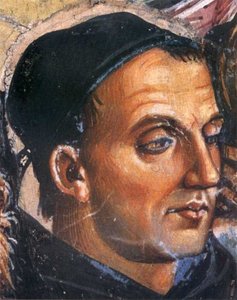
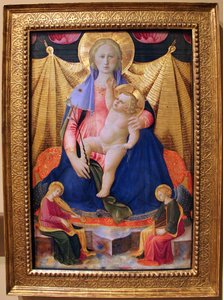
The core attraction of this sacred space is undoubtedly its extraordinary collection of frescoes by Fra Angelico , arguably the most concentrated assemblage of his art anywhere on Earth. These paintings are not merely decorative; they represent a deliberate effort to communicate spiritual truths through visual imagery—a “visual sermon” as Michelozzo aptly described it. The artist’s meticulous attention to detail and masterful use of color convey an ethereal beauty that transcends time, transporting viewers into the contemplative atmosphere of the monastic cell. Among the most celebrated works are:
- The Annunciation : A breathtaking depiction of Gabriel delivering the divine message to Mary amidst a serene Tuscan landscape.
- The Mocking of Christ : An unflinching portrayal of suffering and dignity that reflects Angelico’s deep faith.
- Christ in Limbo : A theological statement rendered with remarkable artistry, depicting Christ’s descent to liberate righteous souls.
Architectural Harmony and Historical Legacy
The convent itself is a masterpiece of Renaissance architecture designed by Michelozzo Buonarroti —a testament to the humanist ideals that shaped Florentine culture during Cosimo de' Medici’s reign. Michelozzo prioritized simplicity and functionality, creating an environment conducive to monastic contemplation while adhering rigorously to classical proportions. The cloister, with its graceful arches and tranquil garden, provides a serene respite from the bustling city outside—a space designed to foster inner peace and spiritual reflection. The careful arrangement of columns and arches embodies the Renaissance fascination with geometric harmony, serving as a visual manifestation of intellectual conviction.
Beyond its artistic treasures, San Marco holds an indelible place in Florentine history due to the brief but transformative presence of Girolamo Savonarola . A Dominican friar who ascended to prominence as a fiery preacher and reformer, Savonarola challenged the moral laxity of Florence's elite, advocating for repentance and urging citizens to abandon worldly pleasures. The convent served as a focal point for his sermons and his dramatic denunciations of corruption, marking San Marco as a site of intense debate and spiritual fervor. His influence extended beyond Florence, contributing to the reshaping of European political thought—a legacy that continues to fascinate historians and scholars today.