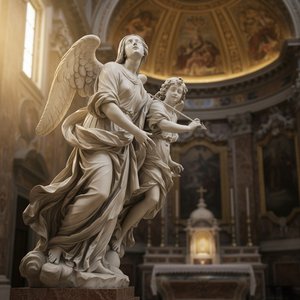

A Jewel of Gozo: Unveiling the Collegiate Basilica of St. George
Nestled within the heart of Victoria (Rabat), on the sun-drenched island of Gozo, Malta, stands the Collegiate Basilica of St. George – a monument not merely to faith, but to centuries of artistic evolution and cultural resilience. More than just a place of worship, this basilica is a living tapestry woven from Byzantine roots, Baroque grandeur, and the enduring spirit of a community deeply connected to its history. Its story unfolds across four centuries, beginning as a Roman temple and culminating in the breathtaking structure we see today, a testament to Gozitan identity and artistic patronage.
The Basilica’s origins are remarkably layered. Initially consecrated as a Christian church dedicated to Saint George in the 4th century, it evolved from a repurposed Roman pagan temple – a fascinating juxtaposition of ancient traditions and burgeoning Christianity. Throughout the Middle Ages, the structure underwent numerous transformations, reflecting population growth, political shifts, and the constant need for adaptation. Each rebuilding phase added its own layer of architectural style and artistic embellishment, creating a unique composite that speaks to Gozo’s turbulent yet vibrant past. The current basilica, completed between 1672 and 1678, represents a deliberate effort to establish a definitive Baroque statement, replacing earlier iterations and solidifying the Basilica's role as the spiritual center of the island.
A Symphony in Stone: Architectural Highlights
The Basilica’s architecture is immediately arresting, a masterful blend of scale, ornamentation, and structural ingenuity. The façade, rebuilt after the devastating earthquake of 1818, presents an intricate display of sculpted figures, arched windows, and classical detailing – a deliberate echo of Roman grandeur. Step inside, and you're enveloped in a world of opulent Baroque decoration: soaring vaulted ceilings adorned with vibrant frescoes depicting scenes from the Bible, intricately carved cornices, and a profusion of gilded details that shimmer under the light. The sheer scale of the interior is humbling, designed to inspire awe and reverence. Notably, the Basilica’s vaulting system is a remarkable feat of engineering for its time, showcasing the skill of local artisans who were influenced by European Baroque masters.
Beyond the grand façade and lavish interiors, subtle details reveal the Basilica's layered history. The original Roman foundations are still visible in certain areas, offering a tangible connection to the island’s ancient past. The placement of windows and doorways reflects strategic considerations for light, ventilation, and defense – elements that were crucial during Gozo’s turbulent periods. Even the materials used—local limestone, readily available on the island—contribute to the Basilica's unique character.
Treasures Within: Art and Historical Relics
While not a traditional museum in the sense of curated exhibits, the Basilica houses a remarkable collection of religious art and historical artifacts that illuminate Gozo’s rich heritage. The primary focus lies within its Baroque paintings – a vibrant testament to the artistic fervor of the period, featuring works by both local and Italian artists. These paintings depict biblical scenes, saints' lives, and portraits of prominent figures from Gozitan society. Alongside these paintings are an impressive array of sculptures, primarily religious in theme, crafted with meticulous detail and imbued with profound symbolism.
Perhaps most significantly, the Basilica safeguards a collection of historical relics – fragments of ancient pottery, medieval manuscripts, and liturgical objects that offer glimpses into Gozo’s distant past. The preservation of these artifacts is not merely an act of conservation; it's a commitment to safeguarding the memory of generations who shaped this island community. The Basilica also holds a unique distinction: until 1575, it maintained the Byzantine Rite liturgy, making it the last church on Malta to do so – a testament to Gozo’s enduring connection to its Eastern Orthodox roots.
A Living Legacy: Community and Cultural Significance
The Collegiate Basilica of St. George is far more than just a beautiful building; it's an integral part of Gozitan life. For centuries, it served as the parish church for all of Gozo, a role that solidified its position as the island’s spiritual heart. Today, it continues to play a central role in local religious festivals and celebrations, embodying the enduring faith and traditions of the community. The Basilica's history is inextricably linked to the story of Gozo itself – from its Roman origins to its medieval struggles and its modern-day prosperity.
Furthermore, the Basilica’s unique liturgical heritage—the continuation of the Byzantine Rite—represents a remarkable preservation of ancient traditions. The Chapter, comprised of clergy and lay members, oversees the Basilica's administration and ensures that its spiritual mission continues to thrive. Visiting St. George’s Basilica is an immersive experience, offering visitors a profound connection to Gozo’s past, present, and future – a truly unforgettable journey through Maltese history, art, and faith.