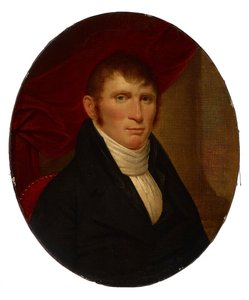
Discover David Cox (1783-1859), a pivotal English landscape painter & precursor to Impressionism. Explore his emotive watercolors, oil paintings of British countryside, and influence on 19th-century art.
Birmingham Museum & Art Gallery: A Victorian Legacy Illuminated by Artistic Vision
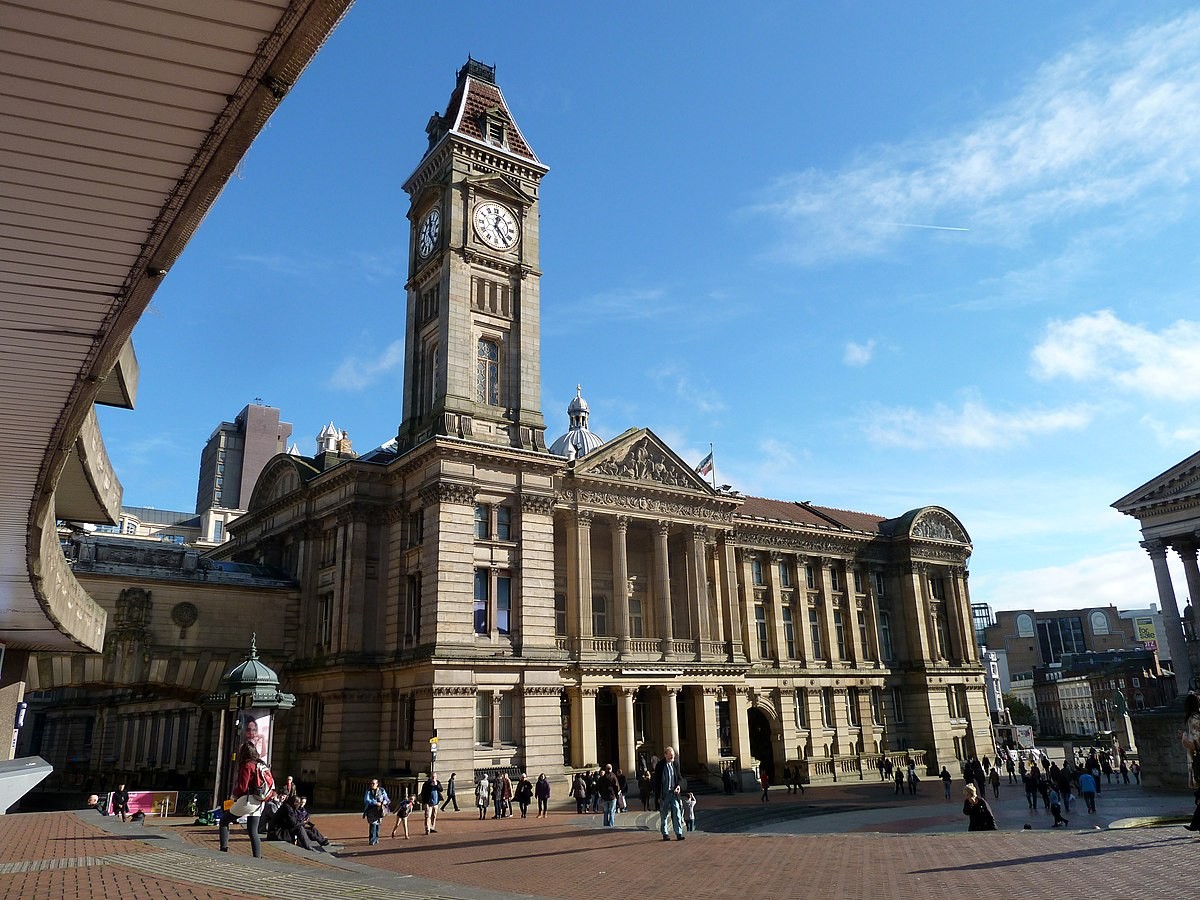
Birmingham Museum & Art Gallery stands as a beacon of cultural heritage in the heart of Birmingham, England—a testament to Victorian ambition and an enduring celebration of artistic excellence. Opened in 1885 with generous donations from influential figures like Governor Sir George Grey and James Tannock Mackelvie, this magnificent institution wasn’t merely built; it was conceived as a crucible for fostering civic pride and nurturing intellectual curiosity. Designed by Yeoville Thomason, its soaring portico adorned with cast-iron columns immediately proclaims Birmingham's industrial prowess alongside its commitment to the arts—a duality that continues to define its character today.
Architectural Grandeur:
The museum’s design embodies Victorian grandeur, reflecting the era’s fascination with symmetry and ornamentation. Its expansive halls are bathed in natural light filtering through stained glass windows, creating an atmosphere conducive to contemplation and artistic appreciation.
A Storied Past:
Throughout its history, Birmingham Museum & Art Gallery has weathered significant challenges—wartime bombings notably reshaping its landscape—yet it persevered, adapting to evolving museological practices while steadfastly upholding its role as a cornerstone of Birmingham’s cultural identity.
The Pre-Raphaelite Heartbeat
Perhaps the museum's most celebrated achievement is its unparalleled collection of Pre-Raphaelite paintings—a treasure trove representing the artistic fervor of mid-19th century Britain. Artists like Dante Gabriel Rossetti, William Holman Hunt, and John Everett Millais poured their passion into capturing idealized beauty and exploring themes rooted in medieval literature and mythology. These canvases pulsate with vibrant colors, meticulous detail, and a profound reverence for nature—a stylistic hallmark that distinguishes them from the prevailing artistic conventions of the time. Visitors can immerse themselves in the ethereal landscapes and evocative portraits that embody the Pre-Raphaelite spirit.
Notable Artists:
The collection showcases masterpieces by luminaries such as Rossetti, Hunt, Millais, Burne Jones, and Macdonald Hilton Smythe—each artist contributing to a singular vision of artistic beauty.
Symbolic Depth:
Beyond mere visual splendor, the Pre-Raphaelite paintings grapple with complex philosophical ideas concerning morality, spirituality, and the relationship between humanity and God.
Industrial Echoes & Birmingham’s Artistic Soul
Complementing its artistic treasures is Birmingham Museum & Art Gallery's impressive assemblage of industrial artifacts—a tangible reminder of the city’s pivotal role during the Industrial Revolution. Machinery, metalwork tools, and historical documents illuminate the transformative forces that reshaped Birmingham’s economy and society. Alongside these relics of industry are displays celebrating Birmingham’s influence on music culture, notably featuring an exhibit dedicated to Ozzy Osbourne—a symbol of Birmingham's vibrant creative spirit. Furthermore, ceramics and decorative arts offer glimpses into Birmingham’s craftsmanship heritage, showcasing exquisite pieces crafted with skill and artistry.
Industrial Legacy:
Exhibits delve into the innovations that propelled Birmingham to prominence as a manufacturing powerhouse—inspiring visitors to contemplate the interplay between technological advancement and artistic expression.
A Community Hub & Artistic Accessibility
Birmingham Museum & Art Gallery distinguishes itself through its unwavering commitment to community engagement and educational outreach. Free admission ensures that art’s transformative power is accessible to all—encouraging dialogue, fostering curiosity, and nurturing a lifelong appreciation for cultural heritage. Family-friendly events, exhibitions tailored for younger audiences, and educational programs enrich the visitor experience, cementing Birmingham Museum & Art Gallery's position as a vital resource for artistic enrichment.
Educational Initiatives:
Interactive displays and workshops cater to visitors of all ages—promoting understanding of art history and fostering creativity within the community.
By the OriginalUniqueArt.com Editorial Team
Art Quiz
There is only one correct answer for each question.
Question 1:
What is Birmingham Museum & Art Gallery primarily known for?
Question 2:
When was Birmingham Museum & Art Gallery established?
Question 3:
Who designed the museum's grand portico and cast-iron columns?
Question 4:
Birmingham Museum & Art Gallery features an exhibit celebrating Birmingham's influence on music and pop culture. Whose exhibit is it?
Question 5:
Birmingham Museum & Art Gallery offers free entry to most galleries. What is a key benefit of this policy?
Embark on a journey through the Pre-Raphaelite Brotherhood. Discover the romantic symbolism, medieval magic, and radical beauty of Rossetti and Burne-Jones in this expert exploration of Victorian art history.
Explore the revolutionary art of Sir John Everett Millais & the Pre-Raphaelite Brotherhood. Discover their radical realism, symbolic narratives, and lasting impact on Victorian aesthetics. A deep dive into 19th-century masterpieces.
Explore 25 iconic artworks by Dante Gabriel Rossetti, a leading Pre-Raphaelite artist. Discover the stories behind masterpieces like 'Proserpine' & 'Beata Beatrix'. Find museum-quality art reproductions and elevate your home decor with OriginalUniqueArt.com.