

Table of Contents
Quick Facts
- Featured artists: konstantin yakovlevich kryzhitsky
- Alternate names: Chelyabinsk State Museum of Fine Arts
- Works on APS: 1
- Location: Chelyabinsk, Russian Federation
Art Quiz
There is only one correct answer for each question.
Question 1:
What is the Chelyabinsk State Museum of Fine Arts primarily known for?
Question 2:
Which artistic tradition does the museum highlight alongside Western European art?
Question 3:
What distinguishes Chelyabinsk State Museum of Fine Arts from other museums?
Question 4:
The museum’s collection was formed through:
Question 5:
How many buildings house the museum’s collections?
Exhibited Artists
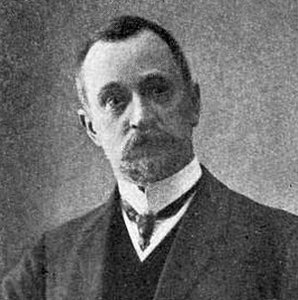
konstantin yakovlevich kryzhitsky
Konstantin Kryzhitsky (1858-1911) was a Ukrainian-born Russian landscape painter known for evocative watercolors & oil paintings of the countryside, forests, and scenes of Ukraine. First chairman of Arkhip Kuindzhi Society.

Related Articles
Rembrandt van Rijn: A Life Illuminated – Exploring the Master of Light, Shadow, and Human Emotion
Explore the life & art of Rembrandt van Rijn, master of light and shadow. Discover his iconic paintings, revolutionary techniques, and enduring legacy with OriginalUniqueArt – trusted experts in fine art reproductions since 2004.
The Enduring Legacy of Architecture in Art: A Historical Survey of Representation & Meaning
Explore the rich history of architecture in art, from Renaissance theory to 19th-century reconstructions. Discover key artists & movements shaping visual representation – a guide for discerning collectors.

Echoes of Heritage: Continuity & Innovation in Traditional Art Forms
Explore the rich history of cultural heritage & folk art traditions worldwide! Discover inspiring artists, preservation efforts, and museum collections. Find handmade oil paintings & expert insights at OriginalUniqueArt.


Subscribe to Our Newsletter
Stay updated with the latest art news, exclusive offers, and decoration ideas.
Get 3 Free Art Suggestions
Tell us about your project and our art experts will provide you with 3 personalized art suggestions.
Not Sure Where to Start?
Let Us Curate 3 Options Just for You - Free!