A Hidden Renaissance Jewel: Unveiling the Cenacolo di Andrea del Sarto
Nestled within the serene confines of the San Salvi Monastery in Florence, lies a treasure often overlooked by the throngs of tourists eager for the city’s more celebrated masterpieces – the Museo del Cenacolo di Andrea del Sarto. This unassuming museum offers an intimate and profoundly rewarding experience, transporting visitors back to the heart of 16th-century Florentine art and revealing the singular genius of one of its most underrated masters: Andrea del Sarto. More than just a collection of frescoes, it’s a journey through artistic evolution, a testament to a painter's meticulous craft, and a poignant glimpse into the history of Florence itself.
The museum’s centerpiece, undoubtedly, is Del Sarto’s *Last Supper* (1526-1527). Unlike the dramatic, theatrical compositions favored by Leonardo da Vinci, Andrea’s rendition possesses a remarkable sense of quietude and naturalism. He eschewed the typical perspective tricks and instead focused on capturing the emotional nuances of the scene – the shock, disbelief, and betrayal etched onto the faces of the Apostles. The color palette is particularly noteworthy; Del Sarto masterfully employed subtle shifts in hue to create depth and atmosphere, a technique that foreshadows his later work. Close examination reveals an astonishing level of detail, from the folds of the garments to the individual expressions of each figure – a testament to years of dedicated study and practice. The painting’s placement within the arched recess of the refectory is crucial, creating a sense of intimacy and encouraging contemplation.
A Monastic Setting: History Within the Walls
The Cenacolo isn't simply housed in a museum; it resides within the San Salvi Monastery, a site steeped in centuries of Florentine history. Originally founded as a Benedictine monastery in 1048, the complex underwent numerous transformations throughout its existence, reflecting the shifting political and religious landscape of the city. The architecture itself is a fascinating blend of styles – from the Romanesque foundations to later Renaissance additions – offering a tangible connection to Florence’s rich past. The refectory, where the *Last Supper* once hung, was originally designed as a space for communal meals and prayer, and its transformation into a gallery underscores the monastery's enduring role as a center of artistic patronage.
For years, the museum remained relatively unknown, a hidden gem cherished by local art enthusiasts. This relative obscurity contributes to the museum’s unique atmosphere – a sense of quiet reverence and discovery. Unlike the bustling galleries of the Uffizi or Accademia, the Cenacolo offers a space for genuine contemplation, allowing visitors to connect with Del Sarto's work on a personal level.
Beyond the Last Supper: A Collection of Florentine Treasures
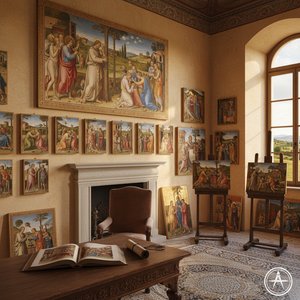
While *The Last Supper* rightfully commands attention, the museum’s collection extends far beyond this masterpiece. Visitors can explore a range of 16th-century Florentine art, including works by Giorgio Vasari and Jacopo Pontormo – contemporaries who shared Del Sarto's artistic interests but developed distinct styles. These pieces provide valuable context to the broader artistic landscape of Florence during this period, showcasing the diverse creative currents that shaped the city’s cultural identity.
A particularly intriguing addition is Andrea del Sarto’s study of a Homeric old man (circa 1510), a monochrome ink and aged paper drawing revealing a vital Hellenistic bust. This piece highlights Del Sarto's deep appreciation for classical art and his meticulous approach to drawing, demonstrating the foundational importance of observation and anatomical study in his artistic process. The museum also houses fragments from a funerary monument commissioned by San Salvi’s patron, highlighting the monastery’s role as a significant center of patronage during its time.
A Unique Experience: Intimacy and Artistic Depth
What truly distinguishes the Museo del Cenacolo di Andrea del Sarto is its intimate scale and serene atmosphere. The museum's smaller size allows for a more focused engagement with Del Sarto’s work, fostering a sense of connection and understanding that can be lost in larger, more crowded institutions. The location within the San Salvi Monastery adds another layer of historical significance to the visit, transporting visitors back to a time when art played a central role in religious life.
For those seeking an authentic and enriching experience beyond the well-trodden tourist paths, the Cenacolo di Andrea del Sarto offers a rare opportunity to delve deeper into Florentine artistic heritage. It’s a place where beauty, history, and contemplation converge, revealing the enduring legacy of one of Florence's most talented – yet often overlooked – artists.