



A Fortress of Art: The Timeless Majesty of Castelvecchio
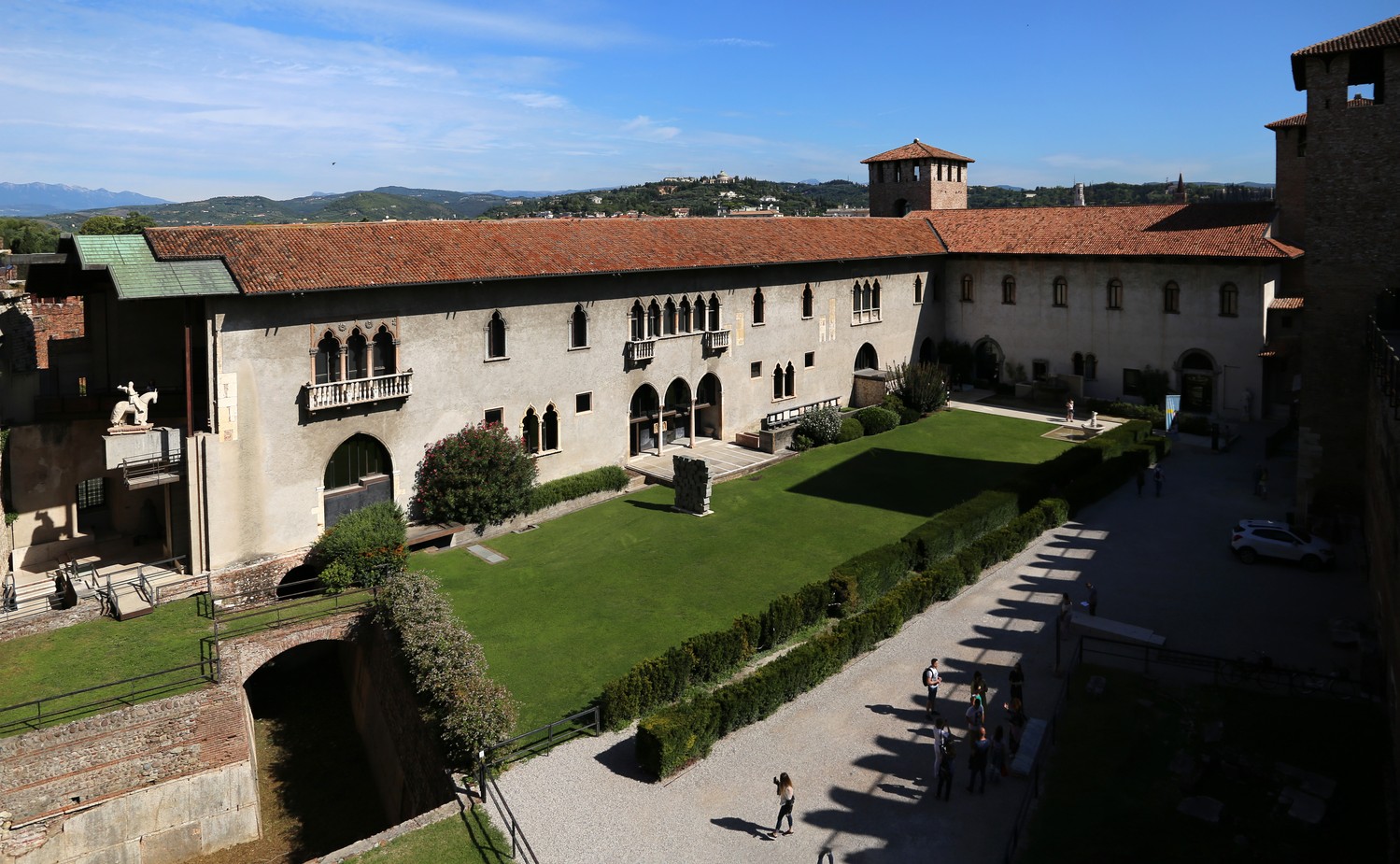
Nestled within the ancient, formidable walls of a medieval castle in Verona, Italy, the Castelvecchio Museum offers far more than a mere repository of artistic treasures; it provides a profound journey through time. This imposing fortress, originally constructed in the mid-14th century by Cangrande II della Scala, was born from a need for strategic defense and served as a lavish residence for the ruling dynasty. The very stones of the structure whisper tales of noble families and shifting empires—from the powerful Scaligeri to the subsequent era of Venetian rule. Today, the museum stands not diminished by its turbulent history, but enriched by it, offering an immersive experience where the weight of medieval architecture intertwines seamlessly with the delicate beauty of fine art.
The museum’s unique character is profoundly shaped by a visionary dialogue between the ancient and the modern, most notably through the masterful restoration undertaken by the legendary architect Carlo Scarpa in the mid-20th century. Scarpa did not simply repair the castle; he engaged in a poetic conversation with its historical fabric. His brilliant use of space, light, and raw materials creates an atmosphere of quiet contemplation, guiding visitors through the collection with subtle elegance. For the discerning eye, his attention to detail is breathtaking—from custom-designed display cases tailored to specific masterpieces to the carefully considered placement of each piece that maximizes its emotional impact. This makes the museum itself a work of art, embodying Scarpa’s belief that restoration should be an act of creative interpretation.
A Veronese Legacy: From Gothic Splendor to Renaissance Brilliance
The collection within Castelvecchio is deeply rooted in the artistic heritage of Verona and its surrounding regions, offering a sweeping narrative of stylistic evolution. Medieval sculpture takes center stage here, with a remarkable array of Romanesque and Gothic works that offer poignant glimpses into medieval beliefs regarding life, death, and the divine. These sepulchral monuments and religious carvings are imbued with a spiritual power that commands silence. Yet, it is the transition into the Renaissance that truly captivates the soul. Visitors encounter the profound emotional depth and perspectival mastery of Andrea Mantegna, alongside the exquisite, lyrical compositions of Pisanello, whose Madonna of the Quail remains an enchanting highlight of the gallery.
The museum also celebrates the nuanced brilliance of artists such as Stefano da Verona and Jacopo Bellini, providing a comprehensive overview of the region's artistic development. A true jewel of the collection is the monumental Aquila Polyptych , attributed to Giovanni Badile da Verona. This Gothic masterpiece exemplifies the grandeur of its era, featuring the Virgin Mary, Christ, and various saints rendered in rich gold and vibrant pigments. Its intricate gilded frame and harmonious blend of sculptural elegance and expressive painting serve as a testament to the technical sophistication of the 15th century. Beyond the canvas, the museum’s impressive collection of historical weaponry and delicate ceramics offers a tangible connection to the military prowess of the Scaliger dynasty and the refined craftsmanship that flourished throughout the centuries.
A Beacon of Preservation and Cultural Heritage
Beyond its permanent treasures, the Castelvecchio Museum serves as a vital guardian of cultural heritage. The museum’s recent history is marked by a triumphant moment of artistic preservation: the recovery of seventeen Old Master paintings that had been pilfered in 2015 and remarkably returned in 2016. This event underscored the institution's importance not just as a gallery, but as a beacon of hope for the protection of European art history. For collectors and lovers of antiquity, these recovered works represent pivotal moments in the Renaissance era, reaffirming Verona’s enduring role as a center of artistic excellence.
To walk through the halls of Castelvecchio is to experience an immersion into the very heart of Veronese culture. Whether one is drawn by the architectural genius of Scarpa, the spiritual intensity of Gothic sculpture, or the luminous beauty of Renaissance oil paintings, the museum offers an unforgettable encounter with the past. It remains a destination where history is not merely studied, but felt—a place where every corridor and every frame invites the viewer to connect with the enduring power of human creativity.



