Menu
FREE ART CONSULTATION

Cappella Sistina

Quick Facts

  • Historical periods:
    • early medieval
    • renaissance
  • Movements:
    • baroque architecture
    • early renaissance
    • high renaissance
    • renaissance
    • renaissance art
  • Alternate names:
    • Cappella Sistina
    • Vatican Museums
    • []
    • Sistine Chapel
    • Sacellum Sixtinum
  • Featured artists: Michelangelo Buonarroti
  • More…
  • Art types:
    • other
    • sculpture
    • wallart
  • Works on APS: 260
  • Location: Vatican City, Italy
  • Mediums:
    • acrylic
    • acrylic on canvas
    • bronze
    • fresco
    • oil

Art Quiz

There is only one correct answer for each question.

Question 1:
What was the original purpose of the Cappella Sistina when it was conceived by Pope Julius II?
Question 2:
Who initially envisioned a design for the Cappella Sistina inspired by the Pantheon?
Question 3:
Which of these frescoes is most famously associated with Michelangelo in the Cappella Sistina?
Question 4:
What significant discovery did recent pigment analysis reveal about Michelangelo's work in the Sistine Chapel?
Question 5:
What is a key architectural feature that contributes to the chapel's solemn atmosphere?
Question 6:
What is the significance of the Cappella Sistina beyond its artistic value?
Question 7:
What is the primary function of the architectural foundation orchestrated by Bramante?
Question 8:
What is notable about the figures depicted in Michelangelo’s frescoes?
Question 9:
What artistic technique is particularly effective in highlighting key moments and emotional states within the frescoes?
Question 10:
What is one of the lasting legacies of the Cappella Sistina?

A Celestial Echo: Exploring the Majesty of the Cappella Sistina

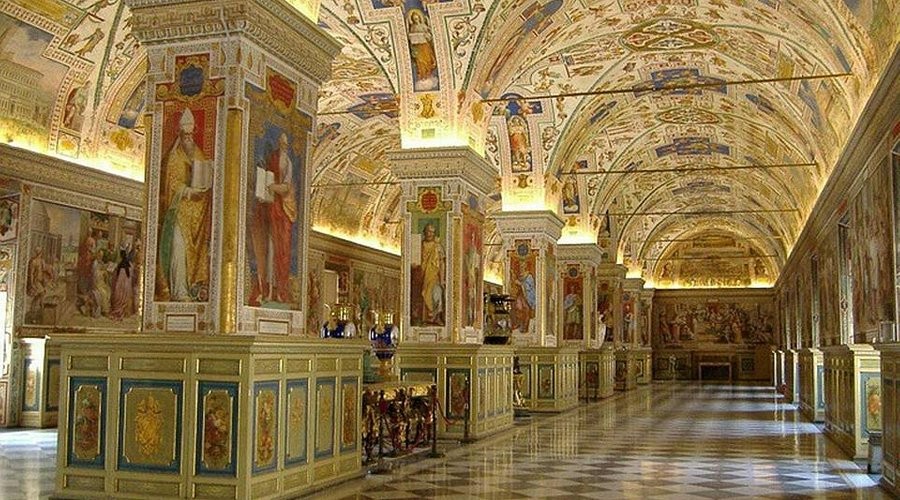
Stepping into the Cappella Sistina is akin to entering a realm suspended between earth and heaven, a space where human ambition soared to meet divine inspiration. More than just a room within Vatican City, it’s an immersive journey through the heart of the Renaissance, a testament to the unparalleled genius of Michelangelo Buonarroti and the enduring power of papal patronage. The chapel's story is one woven with political upheaval, artistic innovation, and profound spiritual contemplation – a legacy that continues to resonate across centuries. Originally conceived as a fortress-chapel by Pope Julius II in 1508 following the Sack of Rome, its transformation into an artistic sanctuary under the guidance of Michelangelo represents a pivotal moment in Western art history. The initial vision sought stability amidst chaos, but Michelangelo’s intervention elevated it to a realm of unparalleled beauty and theological depth. The soaring ceilings, reaching an impressive height of over forty feet, are adorned with intricate stucco decorations crafted by Giovanni Battista Buonarotti – a breathtaking display of craftsmanship that contributes significantly to the chapel’s solemn atmosphere. These delicate reliefs, depicting scenes from the Old Testament, create a subtle yet powerful counterpoint to the monumental frescoes above, drawing the eye upwards and establishing a sense of divine grandeur. Notice how the light plays across these sculpted figures, casting elongated shadows that seem to dance with the narrative itself. The architectural foundation itself, orchestrated by Bramante and refined by Michelangelo, adheres rigorously to classical principles of proportion and harmony, mirroring the humanist ideals that dominated 16th-century thought. The meticulous planning ensured every element – from the placement of windows to the scale of the figures – contributed to a unified aesthetic experience, reflecting a profound understanding of human perception and spiritual aspiration. The interplay of light and shadow within this space is not merely decorative; it’s a deliberate orchestration designed to guide the viewer's gaze and heighten their emotional response. Michelangelo’s frescoes are undoubtedly the Cappella Sistina’s crowning glory. His depiction of Genesis, spanning across the ceiling, remains one of the most iconic artistic achievements in human history. Consider “Creation of Adam,” where God reaches out to bestow life upon Adam, capturing a moment of profound intimacy and divine grace; or "The Fall of Man," portraying Lucifer's rebellion against God with dramatic intensity and anatomical accuracy. Michelangelo’s unparalleled understanding of human form and expression is evident throughout the cycle, transforming biblical narratives into unforgettable visual experiences. The sheer scale of the undertaking demanded immense effort and dedication from Michelangelo and his assistants, resulting in a masterpiece that continues to inspire awe and admiration. The figures are not idealized; they possess a raw, almost brutal realism, reflecting Michelangelo’s deep engagement with human anatomy and emotion. Notice the subtle gestures, the intense gazes – each detail contributes to the narrative's power and immediacy. The use of *chiaroscuro*, the dramatic contrast between light and dark, is particularly effective in highlighting key moments and drawing attention to the figures’ emotional states. And then there is "The Last Judgment," adorning the altar wall, a swirling vortex of humanity facing divine reckoning – a powerful testament to faith, fear, and ultimate judgment. Recent scholarship has unveiled fascinating details about Michelangelo's artistic process through pigment analysis. Researchers have meticulously examined samples from the frescoes, revealing the use of ultramarine blue derived from lapis lazuli—a pigment painstakingly imported from Persia—and ochre reds sourced from Sienna. These investigations underscore not only Michelangelo’s genius but also illuminate the materials available during the Renaissance and how they were skillfully integrated into the chapel’s visual vocabulary. The use of lapis lazuli, a notoriously expensive pigment, highlights the immense resources at the Pope's disposal and Michelangelo’s willingness to invest in achieving the desired luminosity and depth for his compositions. It is truly remarkable to consider how these pigments, sourced from distant lands, contributed to the chapel’s otherworldly glow. Furthermore, digital reconstruction projects are now allowing scientists to explore previously inaccessible areas of the chapel, reshaping our interpretation of Renaissance art history. The Cappella Sistina's legacy extends far beyond its walls. It continues to inspire artists, collectors, and interior designers alike – a testament to its enduring artistic significance. Its monumental frescoes serve as a cornerstone of Western art history, prompting ongoing debate about their symbolism and interpretation. The chapel’s grandeur embodies the humanist ideals of balance and harmony that characterized the Renaissance, influencing architectural styles and decorative motifs for centuries afterward. Visiting the Sistine Chapel is more than simply observing a masterpiece; it's embarking on a pilgrimage into the heart of artistic creativity and spiritual contemplation—a journey that reaffirms the power of art to transcend time and inspire generations to come.