

Quick Facts
- Art types:
- digital
- other
- photo
- wallart
- Works on APS: 162
- Featured artists:
- karsh of ottawa
- Timothy John Williamson
- paul c. sokoloff
- kish, eleanor m. (ely)
- pierre françois xavier de charlevoix
- Alternate names:
- Musée canadien de la nature
- Canadian Museum of Nature
- CMN
- National Museum of Canada
- National Museum of Natural Sciences
- More…
- Historical periods:
- 19th century
- contemporary
- early modern
- modern
- Movements:
- academic illustration
- contemporary botanical illustration
- contemporary realism
- detailed botanical realism
- detailed realism
- Location: Ottawa, Canada
- Mediums:
- acrylic on canvas
- black and white photography
- engraving
- giclée print
- oil on canvas
Art Quiz
There is only one correct answer for each question.
Question 1:
What is the primary focus of the Canadian Museum of Nature?
Question 2:
The museum's building, completed in 1912, is primarily characterized by:
Question 3:
Which exhibit highlights the museum's commitment to ongoing scientific research?
Question 4:
What is a notable feature of the museum's expansion project undertaken between 2004 and 2010?
Question 5:
What is the Canadian Museum of Nature's role beyond simply displaying artifacts?
Exhibited Artists

karsh of ottawa
Explore the iconic portraits of Yousuf Karsh, renowned photographer capturing world leaders & legends. Discover his dramatic lighting & legacy at OriginalUniqueArt.


Timothy John Williamson
Timothy John Williamson (b. 1955): British philosopher & botanical artist renowned for detailed fungi paintings. Explore the intersection of science, art & philosophical inquiry!

paul c. sokoloff
Paul C. Sokoloff: Canadian botanist & artist blending traditional techniques with digital media to capture stunning plant art. Explore arctic flora & botanical science.
Related Articles
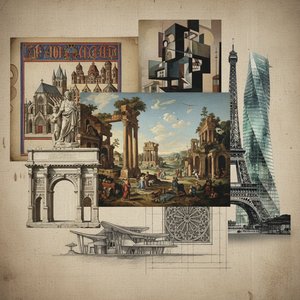
The Enduring Legacy of Architecture in Art: A Historical Survey of Representation & Meaning
Explore the rich history of architecture in art, from Renaissance theory to 19th-century reconstructions. Discover key artists & movements shaping visual representation – a guide for discerning collectors.
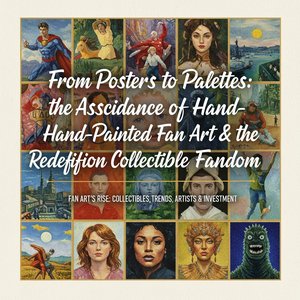
From Posters to Palettes: The Ascendance of Hand-Painted Fan Art & the Redefinition of Collectible Fandom
Explore the fascinating world of hand-painted fan art! Discover its rise as a collectible art form, market trends, artist collaborations & investment potential. Expert insights for discerning collectors.
Cultivating a Personal Legacy: A Dynamic Approach to Building an Evolving Art Collection
Discover the art of building a lasting legacy through informed collecting. Expert guidance on investment, emerging artists & curating a collection that reflects your unique vision. Start your journey today!
List of Artworks






Subscribe to Our Newsletter
Stay updated with the latest art news, exclusive offers, and decoration ideas.
Get 3 Free Art Suggestions
Tell us about your project and our art experts will provide you with 3 personalized art suggestions.
Not Sure Where to Start?
Let Us Curate 3 Options Just for You - Free!