A Journey Through Lancashire’s Artistic Legacy: Exploring Towneley Hall
Towneley Hall stands as a testament to Burnley’s rich cultural heritage, offering visitors an unparalleled opportunity to immerse themselves in the interwoven narratives of art, history, and local identity. More than just a building housing artifacts—it's a living chronicle of Lancashire’s evolution from medieval manor house to celebrated museum showcasing remarkable artistic treasures.- Architectural Marvel: Constructed initially in the 13th century, Towneley Hall has undergone significant transformations over centuries, resulting in a captivating blend of architectural styles—Norman influences mingling with Tudor grandeur and Victorian embellishments. Its imposing façade reflects the enduring spirit of Burnley’s past, while expansive windows illuminate interiors adorned with masterpieces spanning diverse eras.
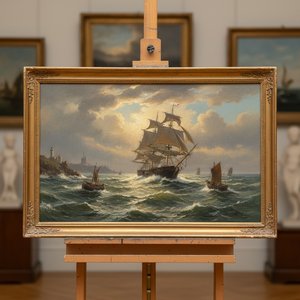
- A Collection That Speaks Volumes: The museum's artistic collection is particularly noteworthy for its dedication to capturing the landscapes and people of Lancashire. Edward Stocks Massey’s paintings—primarily “Evening, near Southport,” “View Of The Ayu Dag, Crimea” and “Himalayas”—provide breathtaking depictions of the region’s natural beauty and cultural traditions. These artworks exemplify Victorian Romanticism's fascination with sublime vistas and emotive storytelling.
Beyond its visual splendor lies a captivating story rooted in Burnley’s social history. The Hall was bequeathed to the town by the Towneley family—a lineage that played a pivotal role in shaping Lancashire’s industrial landscape. Exhibits delve into their influence, alongside detailed accounts of Pilkington Pottery's contribution to Burnley’s economic prosperity and the legacy of prominent families like the Towneleys.
- Period Rooms: Visitors can step directly into history as they wander through meticulously preserved period rooms. These spaces offer intimate glimpses into domestic life across different periods—from opulent Tudor interiors to refined Victorian parlors—allowing viewers to appreciate the craftsmanship and aesthetic sensibilities of bygone eras.
- The Egyptian Enigma: Perhaps the most intriguing element of Towneley Hall’s collection is its singular possession of an ancient Egyptian mummy. This artifact transcends mere historical curiosity, prompting contemplation on beliefs about death and afterlife—a testament to Burnley's connection with global cultural currents.
Towneley Hall distinguishes itself not only through its impressive architectural grandeur and diverse artistic holdings but also through its commitment to fostering engagement with local heritage. Exhibitions regularly explore themes of Lancashire’s industrial past, celebrating the ingenuity and resilience of Burnley’s citizens. Its welcoming atmosphere and accessible exhibits ensure that everyone can appreciate the beauty and significance of this remarkable museum.
- Notable Exhibitions: Recent exhibitions have focused on exploring themes of Lancashire's artistic heritage, showcasing works by regional artists alongside international influences—demonstrating Towneley Hall’s role as a catalyst for cultural dialogue and intellectual enrichment.
A visit to Towneley Hall is an invitation to embark upon a sensory experience—a journey into Lancashire's artistic soul. It’s a place where history breathes life into art, fostering appreciation for both local traditions and universal human concerns.