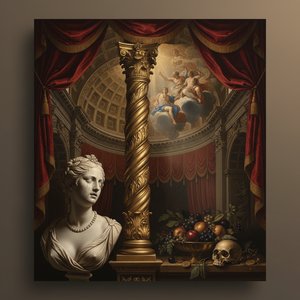
A Jewel of Vienna: Exploring the Burgtheater’s Legacy
The Burgtheater stands as more than just a theatre; it’s a living testament to Austrian cultural heritage, a breathtaking fusion of architectural grandeur and artistic brilliance. Founded in the late 19th century, this national stage has captivated audiences for generations with its world-class German-language productions, cementing its place as one of Europe’s most prestigious venues. But beyond the drama unfolding on its stage lies a rich history interwoven with the city’s evolution, reflected in every ornate detail – from the soaring ceilings to the vibrant frescoes that adorn its walls. Its story began modestly enough, rooted in a former tennis court within the sprawling Hofburg Palace. Emperor Ferdinand I had originally constructed this space for recreational pursuits, but recognizing the need for a dedicated theatre, Maria Theresa, his wife, initiated plans for a grander establishment. This initial structure was eventually replaced by the magnificent building we see today, completed between 1874 and 1888 under the direction of architects Gottfried Semper and Karl von Hasenauer. The result is an exemplary example of late-19th-century Austrian architecture – a harmonious blend of Neoclassical elegance and opulent Baroque flourishes. The building’s imposing façade, with its Corinthian columns and intricate detailing, immediately commands attention, while the interior spaces reveal a masterful use of light, space, and ornamentation.
-
Architectural Marvel:
Semper and Hasenauer’s design embodies Viennese grandeur, incorporating elements of Neoclassical symmetry alongside Baroque embellishments—a deliberate contrast intended to evoke both tradition and aspiration.
-
The Hofburg Connection:
Originally situated within the Hofburg Palace gardens, the Burgtheater's relocation to Ringstraße symbolized Vienna’s transformation into a modern capital city while preserving its artistic heritage.
-
A Symbol of Habsburg Power:
Constructed during Ferdinand Maximilian Joseph’s reign, the theatre served as a visible emblem of imperial prestige and cultural patronage.
A Symphony of Color: Klimt's Masterpieces
Perhaps the Burgtheater’s most enduring legacy lies in the breathtaking frescoes that grace its interiors. Gustav Klimt, one of Vienna’s most celebrated artists, was commissioned to create these stunning works alongside his brother Ernst Klimt and Franz Matsch, a collaboration that resulted in a truly remarkable artistic achievement. These vibrant murals, primarily located on the grand staircases, depict scenes from classical mythology and theatrical performances, rendered in Klimt's signature golden phase – a style instantly recognizable for its shimmering surfaces, intricate patterns, and symbolic imagery. The “Auditorium in the Old Burgtheater,” a particularly captivating oil painting by Gustav Klimt, showcases this distinctive style perfectly, capturing the energy and glamour of the theatre’s social scene. The frescoes aren't merely decorative; they actively contribute to the atmosphere of the building, transforming the hallways into immersive works of art.
-
Mythological Narrative:
Klimt’s frescoes recount tales from Greek mythology—Apollo and Daphne, Persephone and Hades—telling stories of transformation and divine intervention.
-
The Golden Phase:
Klimt's use of gold leaf—a technique pioneered by Rembrandt—creates an ethereal glow that enhances the dramatic impact of the scenes depicted.
-
Symbolic Imagery:
Recurring motifs—such as peacocks, serpents, and floral garlands—represent concepts of beauty, fertility, and mortality, reflecting Klimt’s artistic philosophy.
A Stage for Legends: Performances and Artistic Tradition
For over a century and a half, the Burgtheater has been synonymous with German-language theatre excellence. It has hosted legendary performances by some of the world’s greatest actors – Oskar Werner to Klaus Maria-Brandauer – and premiered works by renowned playwrights such as Goethe, Schiller, and Shakespeare. The theatre's commitment to both classic and contemporary productions ensures that it remains a vital hub for artistic innovation. The tradition of excellence is deeply ingrained within the Burgtheater’s identity, fostering a sense of pride and dedication among its performers and staff. It continues to uphold a rigorous standard of quality, attracting audiences from across Europe and beyond.
-
Shakespearean Legacy:
The Burgtheater’s productions of Shakespeare have established it as one of the foremost venues for staging the Bard's plays internationally.
-
Notable Directors:
Throughout its history, the theatre has been graced by visionary directors who championed innovative interpretations and pushed theatrical boundaries.
-
A Continuing Tradition:
The Burgtheater’s dedication to preserving artistic excellence ensures that it remains a cornerstone of Viennese cultural life for generations to come.
Beyond the Stage: Architectural Details and Viennese Charm
The architectural details of the Burgtheater are as captivating as its artistic treasures. The building’s intricate façade is adorned with sculptures, reliefs, and decorative elements that reflect Vienna’s rich artistic heritage. Inside, visitors can admire a remarkable collection of portraits depicting prominent actors and directors throughout the theatre’s history, alongside a stunning gallery of stage models – a testament to the evolution of theatrical design. The building itself is a microcosm of Viennese architectural style, embodying the city’s commitment to beauty, elegance, and historical preservation. The careful attention paid to every detail—from the marble floors to the gilded ceilings—creates an atmosphere of unparalleled grandeur.
-
Sculptural Ornamentation:
Sculptors Johann Baptist Struber and Josef Stamm created monumental sculptures adorning the façade, depicting figures from Viennese history and mythology.
-
Stage Models:
The theatre’s extensive collection of stage models—dating back to the 19th century—provides insight into the artistic vision of past productions and directors.
-
Ringstraße Grandeur:
Situated on Ringstraße, Vienna’s central boulevard, the Burgtheater occupies a prominent position within the city's architectural landscape.
Visiting the Burgtheater
Today, guided tours offer visitors a unique opportunity to explore the Burgtheater’s stunning interiors and delve into its fascinating history. The theatre’s commitment to accessibility is evident through its ongoing efforts to engage with the public, including educational programs and digital resources. Whether you are a seasoned theatre enthusiast or simply an admirer of architectural beauty, a visit to the Burgtheater promises an unforgettable experience – a chance to step back in time and immerse yourself in the heart of Vienna’s cultural legacy. Don't miss the opportunity to witness firsthand the enduring power of art and performance within this iconic landmark.