

Table of Contents
Quick Facts
- Historical periods:
- 19th century
- early modern
- high medieval
- late medieval
- renaissance
- Works on APS: 275
- Mediums:
- acrylic
- acrylic on canvas
- acrylic on paper
- black and white photography
- ceramics
- Featured artists:
- Joseph Mallord William Turner
- Albrecht Dürer
- Rembrandt van Rijn
- Michelangelo Buonarroti
- More…
- Movements:
- 16th-century flemish renaissance
- 17th-century dutch portraiture
- 18th-century anatomical study
- archaeological photography
- barbizon school
- Art types:
- decor
- digital
- other
- photo
- sculpture
- Location: London, United Kingdom
- Alternate names:
- British Museum
- BM
- The British Museum
Art Quiz
There is only one correct answer for each question.
Question 1:
What was the British Museum originally based on?
Question 2:
What architectural feature is considered revolutionary in the British Museum's redesign?
Question 3:
Which artifact is described as a key to understanding ancient Egyptian hieroglyphs?
Question 4:
What is a significant ongoing discussion surrounding the Elgin Marbles?
Question 5:
What is a recent focus of the British Museum's exhibitions?
Question 6:
What does the museum's commitment to repatriating artifacts demonstrate?
Question 7:
What is the British Museum's status as a public body?
Question 8:
Approximately how many visitors does the British Museum receive annually?
Question 9:
What was Montagu House, the original location of the British Museum?
Exhibited Artists
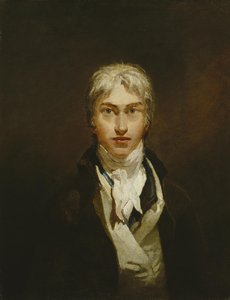
Joseph Mallord William Turner
Discover J.M.W. Turner (1775-1851), the British Romantic painter celebrated for his expressive landscapes, masterful use of light, and influence on Impressionism. Explore his iconic artworks today!

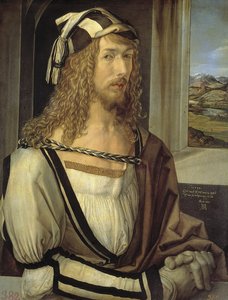
Albrecht Dürer
Explore the art of Albrecht Dürer, a German Renaissance master! Discover iconic engravings like Melencolia I and detailed self-portraits – a pivotal figure in art history.
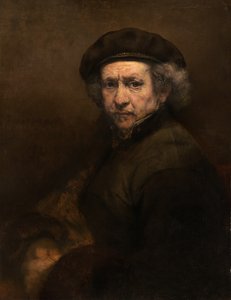
Rembrandt van Rijn
Explore Rembrandt van Rijn (1606-1669), Dutch Baroque master of light & shadow! Discover iconic self-portraits, biblical scenes & groundbreaking etchings. Experience the Dutch Golden Age.
Related Articles
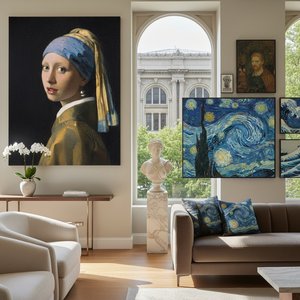
Met Museum's 25 Masterpieces: Art History & Decor Inspiration | OriginalUniqueArt
Journey through 25 iconic artworks at the Metropolitan Museum of Art! Explore Van Gogh, Monet, Rembrandt & more. Discover art history, inspiring stories, and museum-quality reproductions to elevate your home decor. Explore the full collection on OriginalUniqueArt.com.
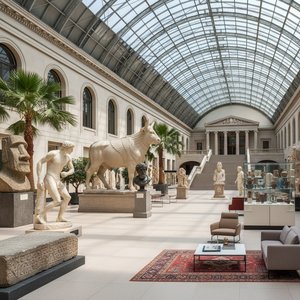
British Museum Masterpieces: Explore 25 Iconic Artworks & Decor Inspiration
Journey through 25 iconic artworks at the British Museum, London! Explore masterpieces from Egyptian sculptures to Renaissance paintings & uncover their stories. Find museum-quality art reproductions and curated decor ideas on OriginalUniqueArt.com.
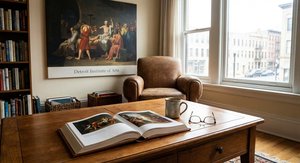
DIA's Masterpieces: Explore 25 Iconic Artworks & Bring Detroit's Spirit Home
Journey through 25 iconic artworks at the Detroit Institute of Arts! Explore Van Gogh, Monet, Rembrandt & more. Discover art history, stunning techniques & find museum-quality reproductions to elevate your home decor on OriginalUniqueArt.com.
List of Artworks




Subscribe to Our Newsletter
Stay updated with the latest art news, exclusive offers, and decoration ideas.
Get 3 Free Art Suggestions
Tell us about your project and our art experts will provide you with 3 personalized art suggestions.
Not Sure Where to Start?
Let Us Curate 3 Options Just for You - Free!