A Sanctuary of Intellect: The Timeless Grandeur of Biblioteca Sormani
In the vibrant, beating heart of Milan’s historic Zone 1, where the echoes of the Renaissance meet the pulse of modern cosmopolitan life, lies a sanctuary that transcends the traditional definition of a library. The Biblioteca Sormani is not merely a repository for the written word; it is a living, breathing monument to Lombardy's enduring intellectual and artistic spirit. Housed within a magnificent palazzo that once served as a private residence for the noble Sormani family in the sixteenth century, this institution offers a profound journey through time. To step across its threshold is to enter a realm where the weight of history is felt in every gilded corner, inviting scholars, dreamers, and aesthetes alike to lose themselves in the layers of Milanese heritage.
The architectural splendor of the palazzo provides a breathtaking stage for its vast collection. The façade, a masterclass in Baroque Milanese grandeur, was shaped by the legendary architect Francesco Maria Richini. His hand is visible in the masterful use of travertine stone and the intricate sculptural ornamentation that commands the attention of passersby on Corso di Porta Vittoria. As one moves deeper into the heart of the building, the exterior's strength gives way to an interior of delicate complexity. The halls are adorned with exquisite stucco work and sweeping frescoes that breathe life into scenes from classical mythology and biblical narratives. For the interior designer or lover of classical aesthetics, these spaces serve as a sublime example of how architecture can harmonize structural power with ornamental grace.
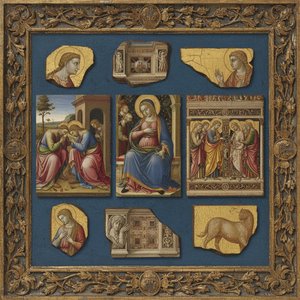
Beyond its architectural allure, the true soul of the Sormani resides in its incomparable collection. The library serves as a vital link to the humanistic ideals of the past, housing an extraordinary assemblage of rare books and manuscripts that trace the evolution of thought from the Renaissance onward. Collectors and historians find themselves captivated by treasures such as illuminated Gospels dating back to the twelfth century and precious, handwritten copies of Dante Alighieri’s Divine Comedy. These artifacts are more than mere relics; they are tactile connections to the luminaries of Italian Romanticism, such as Francesco Croce and Benedetto Alfieri, whose very presence once animated these halls. The collection is a curated dialogue between the ancient and the enduring, offering deep insights into the legal, musical, and artistic foundations of European culture.
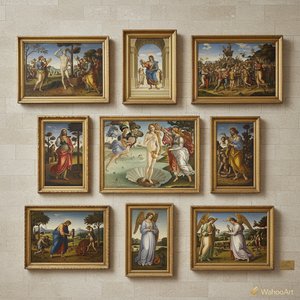
What truly distinguishes Biblioteca Sormani from other venerable institutions is its refusal to remain a static monument to the past. While it meticulously preserves the sanctity of its archives, it simultaneously embraces the digital age through multimedia exploration, offering digitized musical scores and audio recordings that expand the boundaries of accessibility. It remains a vibrant community hub, fostering a unique synergy between tradition and innovation by hosting workshops for aspiring artists, classical music ensembles, and exhibitions that bridge the gap between Venetian Renaissance painting and contemporary discourse. For anyone seeking to experience the true essence of Milan—a city where the profound depth of history serves as the foundation for future creativity—the Biblioteca Sormani stands as an indispensable beacon of inspiration.