

A Monumental Vision: Exploring the Basilica di San Petronio
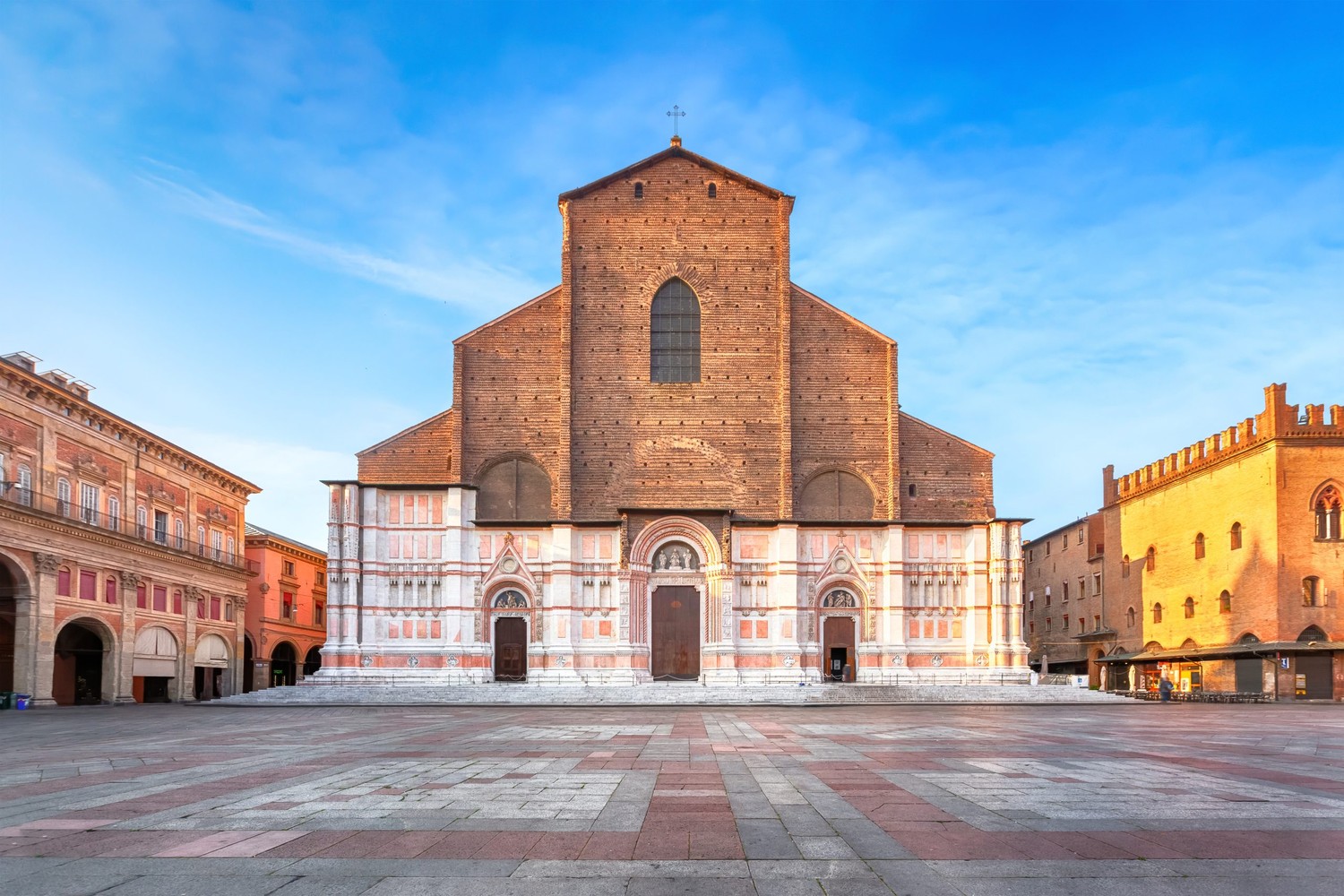
The heart of Bologna beats within the magnificent walls of the Basilica di San Petronio, a Gothic masterpiece that stands as both a testament to civic ambition and an enduring symbol of faith. More than simply a church, it is a sprawling chronicle etched in stone, a space where history, art, and even scientific inquiry converge. Construction began in 1390 with a vision so grand—to rival Florence’s Duomo in scale and splendor—that its realization became a centuries-long endeavor. This ambition, however, was perpetually tempered by political shifts and economic realities, resulting in the basilica's most striking feature: an unfinished façade that speaks volumes about the complexities of its creation. The sheer size of San Petronio is breathtaking; it dominates Piazza Maggiore not with completed perfection, but with a powerful sense of aspiration frozen in time. Echoes of Faith and Civic Pride The story of San Petronio is inextricably linked to Saint Petronius himself, Bologna’s patron saint and a fifth-century bishop revered for his piety and dedication to the city. The basilica was conceived not merely as a place of worship but as an expression of Bolognese identity and independence. This civic involvement shaped its very character, influencing architectural choices and funding strategies throughout its protracted construction. Inside, the vastness of the interior is immediately arresting. Soaring arches draw the eye upwards, while the expansive spaces invite contemplation. The basilica’s twenty-two side chapels, each adorned with unique marble transennae or artistic iron gates, offer a treasure trove of sacred art and devotional expression. These intimate spaces house valuable works spanning various periods, creating a rich tapestry of religious artistry. A Renaissance Jewel: Lorenzo Costa's Masterpiece Among the basilica’s many treasures, “San Petronio fra i Santi Domenico e Francesco” by Lorenzo Costa the Elder shines as a particularly luminous example of Renaissance artistry. This stunning painting encapsulates the grace and humanism that defined the era, depicting Saint Petronius flanked by Saints Dominic and Francis in a composition brimming with delicate detail and emotional resonance. The work exemplifies Costa’s mastery of color, form, and narrative storytelling, offering visitors a glimpse into the artistic sensibilities of 15th-century Bologna. Beyond this centerpiece, frescoes and sculptures throughout the basilica contribute to its overall aesthetic richness, each piece adding another layer to the building's complex history. Beyond Art: Science and Celestial Observation San Petronio is not solely defined by its religious or artistic significance; it also holds a fascinating place in the history of science. Embedded within the church floor lies a remarkable meridian line, meticulously crafted in 1655 by astronomer Gian Domenico Cassini. This ingenious instrument served as an astronomical tool, demonstrating advancements in scientific understanding during that period. Functioning like a *camera obscura*, the line accurately marks local noon with a beam of sunlight projected through a small aperture, offering a tangible connection between faith and reason, spirituality and intellectual curiosity. The basilica thus becomes a space where earthly devotion meets celestial observation, enriching its cultural significance. An Enduring Legacy: Accessibility and Uniqueness What truly sets the Basilica di San Petronio apart is its accessibility. Unlike many historical landmarks, admission to this architectural marvel is free, making it open to all who wish to experience its grandeur and contemplate its history. The unfinished façade, rather than being a flaw, serves as a poignant reminder of the basilica’s long and complex journey—a visual metaphor for the enduring spirit of Bologna itself. It stands not as a completed monument, but as a living testament to ambition, faith, and the passage of time, inviting visitors to become part of its ongoing story. A visit to San Petronio is more than just sightseeing; it’s an immersion into the heart and soul of a city.- Architectural Marvel: Constructed in 1390, the basilica showcases impressive Gothic architecture with soaring arches and expansive spaces.
- Saint Petronius' Patronage: Dedicated to Bologna’s patron saint, Saint Petronius, it reflects Bolognese civic pride and religious devotion.
- Renaissance Masterpiece: Costa’s painting exemplifies humanist ideals and artistic skill, capturing the essence of 15th-century Bolognese culture.
- Scientific Instrument: Cassini's meridian line demonstrates a remarkable blend of science and faith, highlighting Bologna’s intellectual heritage.
- Free Admission & Unfinished Façade: Its accessibility and the unfinished façade symbolize resilience and invite contemplation on the basilica’s historical narrative.