Menu
FREE ART CONSULTATION

Basilica di San Giorgio Maggiore

Quick Facts

  • Location: Venice, Italy
  • Mediums:
    • oil
    • oil on canvas
  • Alternate names:
    • Basilica di San Giorgio Maggiore
    • San Giorgio Maggiore
    • Basilica of San Giorgio Maggiore
    • []
  • Works on APS: 5
  • More…
  • Art types: wallart
  • Featured artists:
    • jacopo tintoretto
    • Giovanni Coli
  • Historical periods: renaissance
  • Movements:
    • baroque
    • italian renaissance
    • mannerism
    • renaissance

Art Quiz

There is only one correct answer for each question.

Question 1:
What architectural style characterizes the Basilica di San Giorgio Maggiore?
Question 2:
Who designed the Basilica di San Giorgio Maggiore?
Question 3:
What is a prominent feature of Tintoretto's paintings housed within the basilica?
Question 4:
The basilica's location provides visitors with a spectacular view of:
Question 5:
What role did Benedictine monks play in preserving the basilica’s artistic heritage?

A Beacon of Renaissance Harmony: San Giorgio Maggiore

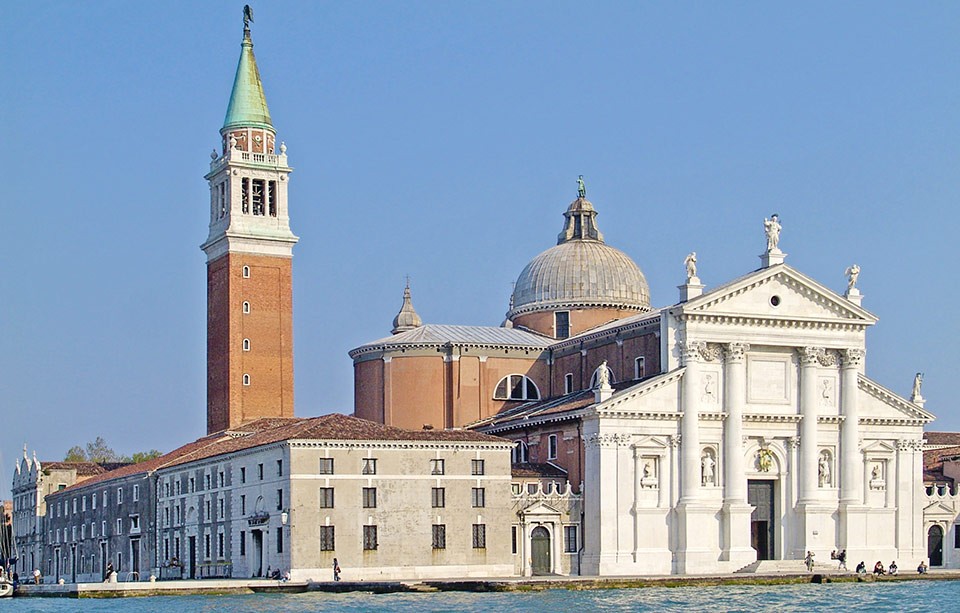
Across the shimmering waters of the Venetian lagoon, rising majestically opposite Piazza San Marco, stands the Basilica di San Giorgio Maggiore – a monument not simply *to* Venice, but *of* it. More than just a church, this is a carefully orchestrated symphony in stone and light, a testament to the humanist spirit that blossomed during the Renaissance and found such fertile ground within the city’s unique cultural landscape. Completed in 1610, the basilica embodies the vision of Andrea Palladio, whose architectural principles continue to shape our understanding of classical beauty and harmonious proportion. To approach San Giorgio Maggiore is to encounter a building deliberately designed to inspire contemplation, its alabaster façade radiating an almost ethereal glow under the Italian sun. It’s a structure that speaks volumes about Venice's ambition, its faith, and its enduring connection to the artistic traditions of antiquity.

Palladio’s Masterful Reinterpretation

Andrea Palladio wasn’t merely replicating Roman temple architecture; he was *reimagining* it for a Christian context. This is perhaps most strikingly evident in the basilica’s double façade – a bold geometric statement that creates an illusion of perfect symmetry, mirroring itself across the Piazza San Marco vista and drawing the eye upwards towards the heavens. The interior space unfolds with a similar sense of grandeur, its nave soaring to meet a vaulted ceiling supported by colossal columns reminiscent of ancient Roman structures. But Palladio’s genius extended beyond aesthetics; he was also an innovative engineer. His use of herringbone brick patterns wasn't simply decorative – it provided crucial structural support, demonstrating a remarkable understanding of materials and construction techniques. The campanile, though rebuilt in the 18th century following a collapse, continues to offer breathtaking panoramic views, cementing San Giorgio Maggiore’s position as an iconic landmark and providing a physical link between the earthly realm and the boundless expanse of the lagoon.

Tintoretto's Dramatic Visions Within

Stepping inside, one is immediately enveloped by the dramatic power of Jacopo Tintoretto’s monumental paintings. Two canvases dominate the interior: “The Last Supper” and “The Jews in the Desert.” “The Last Supper,” far from a static depiction of a familiar scene, explodes with tension and emotion. Christ's final meal with his disciples is rendered with masterful *chiaroscuro*, Tintoretto’s signature technique that uses stark contrasts between light and shadow to create an immersive, almost theatrical experience for the viewer. The sheer scale of the painting is awe-inspiring, conveying a profound sense of spiritual weight. Adjacent to it, “The Jews in the Desert” portrays Moses leading his people through the Sinai wilderness – a powerful allegory of divine salvation. Tintoretto’s vibrant colors and dynamic compositions are quintessential examples of Venetian artistic fervor during the Renaissance, showcasing a unique ability to capture movement, emotion, and the very essence of human experience on canvas. These works aren't simply decorations; they are integral to the basilica’s spiritual narrative, inviting viewers into a dialogue with faith and history.

A Legacy Rooted in Monastic Tradition

The Basilica di San Giorgio Maggiore is deeply intertwined with Venice’s rich monastic heritage. Founded in 982 by Benedictine monks – who continue their presence within the church today – the monastery has served as a vital repository of artistic treasures for over a millennium. Its history extends far beyond its architectural and artistic splendor, encompassing pivotal moments in Venetian political life. The basilica even hosted the 1799 papal conclave that elected Pope Pius VII, underscoring its significance as a center of religious authority and cultural influence. This enduring monastic tradition provides a unique continuity, connecting the basilica’s past to its present and shaping its identity as a place of both worship and scholarly pursuit.

Contemporary Dialogue: Art and Spirituality Today

Today, San Giorgio Maggiore is not simply preserving its legacy; it's actively fostering artistic engagement through curated exhibitions that explore the intersection of Venetian art history and contemporary perspectives. The Cini Foundation, established in 1957, plays a crucial role in this endeavor, collaborating with artists from around the globe to create immersive installations and performances within the basilica’s sacred space. These initiatives encourage scholarly discussions, celebrate Venetian artistic heritage, and invite visitors to experience spirituality and beauty in new and innovative ways. San Giorgio Maggiore remains a timeless testament to Palladio's genius and Venice’s enduring legacy – a place where art, history, and faith converge to inspire awe and wonder for generations to come.