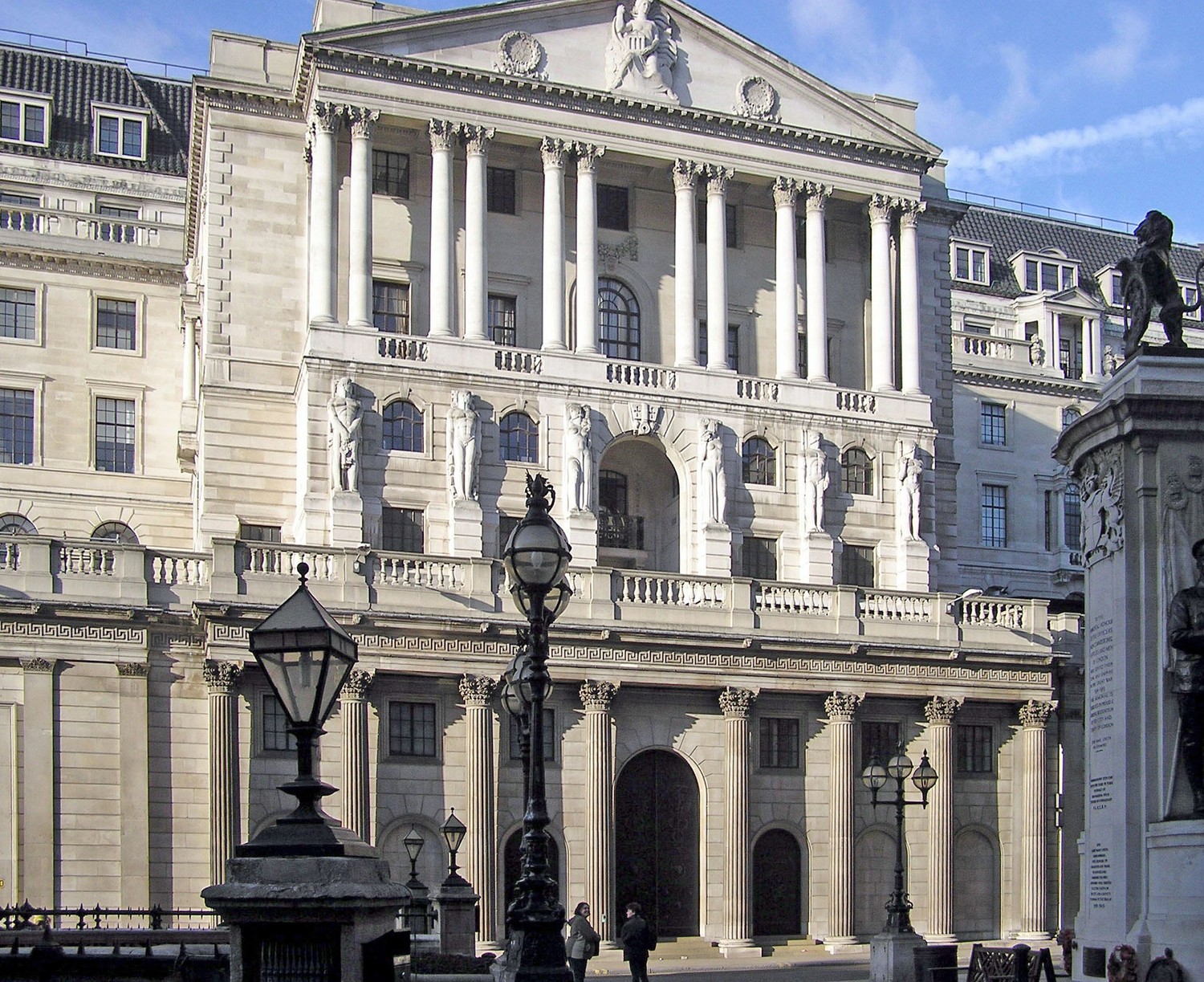



A Bastion of British Finance & Art: Exploring the Bank of England Museum
Nestled within London’s financial heart, the Bank of England Museum presents a surprisingly rich artistic tapestry woven alongside its monetary chronicle. Established in 1988 by Queen Elizabeth II and housed within Sir John Soane’s magnificent Bank building—a neoclassical testament to architectural grandeur—this institution transcends mere economic history; it invites visitors into a dialogue with Britain's past, present, and enduring fascination for wealth and stability.
- Location: London, United Kingdom
- Website: https://en.wikipedia.org/wiki/Bank_of England Museum
More than just a repository of gold bars and banknotes, the museum’s core is Sir John Soane’s architectural masterpiece—a building that speaks volumes about its history. Constructed in 1694 to bolster Britain's war effort, it evolved into the modern central bank, mirroring the nation’s ambitions and fortunes through centuries.
- Architectural Significance: Designed by Sir John Soane—a visionary who blended classical influences with eclectic collections.
- Notable Features: The Rotunda houses twelve elegant caryatids – symbolic figures representing strength and enduring value, guarding a central gold display.
The museum’s collection surpasses 40,000 items, encompassing banknotes, coins, oil paintings, sculpture, antique furniture, decorative arts, and social history artifacts. A particular jewel is the *Banknote Gallery*, tracing the evolution of printing techniques alongside the changing faces that have graced British money—reflecting shifts in national identity.
- Collection Highlights: The Banknote Gallery showcases every note issued by the Bank since its inception.
- Artistic Representation: Paintings and sculptures contribute to a broader understanding of Britain’s cultural heritage alongside its economic narrative.
Beyond the permanent displays, rotating exhibitions enrich the visitor experience. Recent highlights include “Feliks Topolski: Drawing Debden” (2018)—a celebration of artistic talent—and "325 Years, 325 Objects" (2019)—demonstrating a commitment to exploring diverse themes related to economics and art.
- Contemporary Relevance: Exhibitions like “Feliks Topolski” engage visitors with modern artistic perspectives.
- Interactive Elements: Opportunities to examine genuine gold bars add a tactile dimension to learning about finance.
What distinguishes the Bank of England Museum is its singular blend of disciplines—a place where history, art, and economics converge. It appeals to a broad spectrum of interests, from those captivated by monetary policy to collectors seeking inspiration in Soane’s architectural splendor. Free admission ensures this invaluable resource remains accessible to all, fostering appreciation for Britain's past and present.
For Interior Designers: The museum’s displays offer a captivating glimpse into antique furniture and decorative arts—elements that can inspire elegant design choices.