A Turin Treasure: Exploring the Accademia Albertina
Nestled in the heart of Turin, Italy, the Accademia Albertina di Belle Arti stands as a testament to centuries of artistic endeavor and intellectual curiosity. Founded in 1678 as “University of Painters, Sculptors and Architects,” its journey began with noble aspirations – fostering excellence in visual arts within the Savoy Duchy – and blossomed into one of Italy’s foremost institutions for art education and public appreciation. Today, it continues to inspire artists and captivate visitors alike.
The Academy's transformation mirrored the broader artistic currents of Europe during the Enlightenment. Inspired by the Académie Royale de Paris, a beacon of artistic innovation, Victor Amadeus III spearheaded significant reforms in 1778, cementing its position as a center for scholarly pursuits alongside creative practice. Reborn as Albertina in 1833 under Charles Albert’s patronage – a pivotal figure in Sardinian history – the institution moved into a magnificent new building designed by Giuseppe Talucchi on the former site of San Francesco da Paola convent, symbolizing renewal and ambition.
-
Collection Highlights:
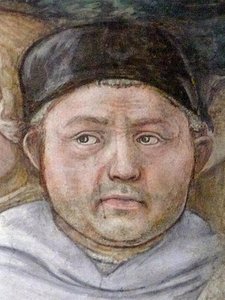
The Pinacoteca’s collection is remarkably diverse, showcasing masterpieces spanning from Flemish Masters to Italian Renaissance art. Among its most treasured possessions are Saint Ambrose and Saint Gregory, Doctors of the Church by Filippo Lippi – a breathtaking depiction embodying spiritual devotion – and works by Gaudenzio Ferrari and his school, including 16th-century cartoons generously donated by Charles Albert, offering glimpses into artistic tastes of the era.
-
Venetian Legacy:
The Mossi di Morano collection represents a significant contribution to Venetian art history. Featuring luminously executed paintings by Venetian masters alongside lesser-known artists, it exemplifies the vibrant artistic spirit of the Republic of Venice during its golden age.
-
Dramatic Depictions:
Notable pieces include The Lamentation of Christ by Ferrari and Deposition in the Sepulchre by Maarten van Heemskerck – evocative representations capturing profound emotion and conveying masterful technique. These works stand as powerful reminders of artistic skill and humanist ideals.
The Academy’s architectural setting is equally compelling. Constructed upon the ruins of San Francesco da Paola convent, its design reflects a harmonious blend of neoclassical influences and Turin’s urban landscape. While precise stylistic details remain elusive, the building's grandeur speaks volumes about the importance placed on artistic patronage and cultural advancement.
-
Notable Exhibitions:
Throughout its history, the Accademia Albertina has hosted exhibitions showcasing both Italian and international artists, fostering dialogue between artistic traditions and stimulating scholarly debate. Recent retrospectives have celebrated groundbreaking figures like Picasso and Warhol, demonstrating the museum’s commitment to contemporary art alongside its enduring connection to classical heritage.
-
A Unique Synthesis:
What truly distinguishes the Accademia Albertina is its singular duality – a prestigious art school nurturing future generations of artists while simultaneously serving as a repository of artistic excellence for the public. This dual role underscores its contribution to Italy’s cultural landscape and ensures that the legacy of Piedmontese artistic heritage continues to inspire.
A visit to this Turin institution is more than just observing art; it's embarking on an immersive journey through centuries of artistic innovation, intellectual exchange, and cultural transformation. It remains a beacon for aspiring artists and a captivating destination for anyone eager to appreciate the sublime beauty of Italian art history.