
A Legacy Forged in Patronage: Unveiling the Accademia Carrara
Nestled within the ancient heart of Bergamo, a city steeped in history and crowned by formidable Venetian walls, lies the Accademia Carrara – more than simply an art museum, it’s a living testament to the enduring power of enlightened patronage and a profound connection between artistic creation and civic pride. Founded around 1780 by Giacomo Carrara, a man whose discerning eye shaped much of Lombardy's cultural landscape, the gallery began as a private collection, meticulously assembled with an unwavering commitment to quality and innovation. Carrara envisioned a space where beauty wouldn’t merely be preserved but actively cultivated, a place where the masterpieces of his time would ignite the imaginations of future generations of artists. The building itself, a stunning blend of Neo-Classical elegance and echoes of earlier structures – partially constructed by Carrara himself between 1775 and 1781 – speaks volumes about this ambition, its very stones whispering tales of artistic fervor and a dedication to architectural harmony.
The Accademia’s true magic resides in its dual identity: as both an art gallery and a vibrant academy of fine arts. Established in 1794, this unique combination fostered a dynamic environment where artistic heritage wasn't confined to display but actively studied, debated, and reinterpreted. Generations of artists have honed their skills within these walls, contributing to the museum’s intellectual energy and ensuring that it remains a vital center for artistic education even today. The collection’s origins – largely based on private bequests from influential patrons – lend a deeply personal touch, revealing the tastes and values of those who shaped its identity and offering intimate glimpses into their world. The recent merger with the Conservatorio Gaetano Donizetti, forming the Politecnico delle Arti di Bergamo, further solidifies this legacy, creating a powerful synergy between visual arts and music—a testament to Bergamo’s commitment to holistic artistic development.
Renaissance Brilliance: A Tapestry of Masterpieces
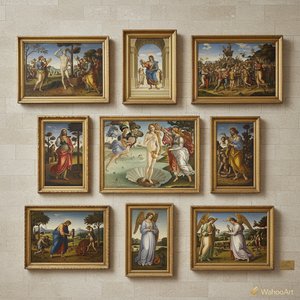
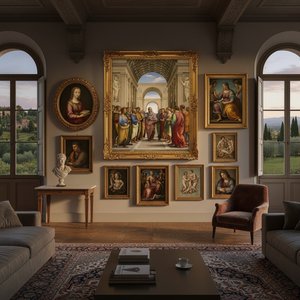
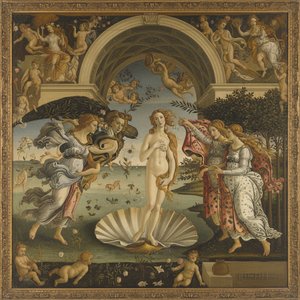
Stepping into the Accademia Carrara is akin to embarking on a journey through the evolution of Italian art, with its collection spanning from the 15th century to the modern era. However, it’s perhaps most renowned for its exceptional Renaissance holdings – a breathtaking panorama of artistic innovation and humanist ideals. Here, one encounters works that resonate with the spirit of rebirth, reflecting a renewed interest in classical antiquity and a celebration of human potential. The *Portrait of Leonello d'Este* by Pisanello immediately captivates, showcasing the artist’s masterful ability to capture both physical likeness and psychological depth – a remarkable feat for his time. Nearby, Raphael’s delicate touch is evident in works that exemplify his harmonious compositions and serene beauty, while Botticelli’s presence adds another layer of refinement, inviting contemplation on themes of love, mythology, and spiritual grace.
Beyond these titans of the Renaissance, the Accademia also champions artists who, though perhaps less universally celebrated, were pivotal in shaping the artistic landscape. Evaristo Baschenis stands as a cornerstone of the collection – his unique still lifes featuring musical instruments offering a fascinating glimpse into 17th-century life and craftsmanship, imbued with a quiet dignity that transcends mere representation. These paintings aren’t simply depictions of objects; they are meditations on time, skill, and the ephemeral nature of beauty. The works of Mario Cresci, Bergamo's own artist, add another layer of local pride, showcasing his distinctive approach to portraiture and landscape painting, reflecting the spirit of the city itself.
Architectural Echoes: A Building as a Masterpiece
The Accademia Carrara’s architecture is as captivating as its art collection. The building, largely constructed between 1775 and 1781 by Giacomo Carrara himself, represents a remarkable fusion of styles – incorporating elements of earlier structures while embracing the elegance of Neo-Classical design. Simone Elia further refined the building in the early 19th century, creating a harmonious blend of historical references and contemporary sensibilities. The façade, with its imposing columns and intricate detailing, is a testament to Carrara’s vision—a deliberate statement of artistic ambition and civic pride.
The interior spaces are equally impressive, boasting soaring ceilings, grand halls, and carefully curated lighting that enhances the beauty of the artworks on display. The building's history is palpable, with each stone seemingly imbued with stories of artistic patronage and architectural innovation. It’s a space where the past speaks eloquently to the present, inspiring new generations to appreciate and create art for years to come.
A Cultural Hub: Exhibitions and Community Engagement
The Accademia Carrara is inextricably linked to the city of Bergamo itself – a historic gem nestled amidst the breathtaking landscapes of Lombardy. The museum actively engages with the local community through diverse educational programs, temporary exhibitions that showcase both established masters and emerging artists, and cultural events that celebrate Bergamo’s rich artistic heritage. Recent exhibitions have explored themes ranging from Renaissance portraiture to contemporary sculpture, demonstrating the museum's commitment to showcasing a wide range of artistic styles and perspectives.
Furthermore, the recent merger with the Conservatorio Gaetano Donizetti has created the Politecnico delle Arti di Bergamo, fostering an even stronger connection between visual arts and music. This synergy is evident in joint educational initiatives and collaborative exhibitions, ensuring that the Accademia Carrara remains a vibrant hub for artistic expression—a place where creativity thrives and the legacy of Bergamo’s artistic spirit continues to flourish.