


1


Updated November 2026 · ranked by our popularity score (searches, visits and orders for each work) · 23 works by William Hart in our catalogue
In short
Of all the originals William Hart left, the most famous is Hudson River Landscape (1854). Close behind it come Tivoli Falls (1851) and Rocky Coast at Sunset (1860). Our catalog holds 23 works by William Hart; the gallery has kept the 22 the world admires most, each shown with its date, its museum and its story.


 Cows in the Meadow1878
12
 Hudson River Landscape1879
13
 Scene at Napanoch1883 · Metropolitan Museum of Art
14
 Cattle and Landscape1880 · Centennial One Object Exhibit
15
 Grand manan
16
 New London, Connecticut
17
 Fields in Summer
18
 Near Tappan Zee, New York
19
 View of New Hampshire
20
 Sunset over the Lake
21
 Summer stream
22
 Woodland scene
The four subjects that come back most often in these originals, each with its finest example.
The 4 museums that hold the most of the paintings on this page.
| Museum | City | Works by William Hart | Paintings from this list |
|---|---|---|---|
 Albany Institute of History - Art |
Albany | 1 | Tivoli Falls |
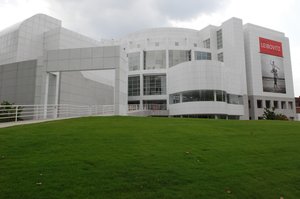 High Museum of Art |
Atlanta | 1 | The Last Gleam |
 Metropolitan Museum of Art |
New York | 1 | Scene at Napanoch |
 Centennial One Object Exhibit |
Unknown | 1 | Cattle and Landscape |
William Hart's dated works in this selection cover only 6 years, from 1878 to 1883: a brief career, shown here year by year.
Pick a year to see its originals.


This painting hangs in the dining room of Thomas Edison

William Hart's "Scene at Napanoch," painted in 1883, isn’t merely a landscape; it’s a carefully constructed tableau of rural life imbued with a profound sense of quiet observation and the subtle melancholy inherent in capturing a fleeting moment. This Hudson River School masterpiece, housed within The Metropolitan Museum of Art in New York City, offers a glimpse into a bygone era – a time when America was still grappling with…
Hudson River Landscape (1854). Tivoli Falls (1851) and Rocky Coast at Sunset (1860) come next.
Hudson River Landscape, Tivoli Falls, Rocky Coast at Sunset, On the Maine Coast, Study for View of the Valley of the White Mountains, New Hampashire, 1857''', Harvest Scene - Valley of the Delaware, Sunset in the Valley, The Last Gleam, The Land, Keene Valley and Deer in the Adirondacks. The ranking above gives each one's year and museum.
Our catalog holds 23 works by William Hart, dated from 1878 to 1883.
Mostly in Albany Institute of History - Art (Albany), High Museum of Art (Atlanta) and Metropolitan Museum of Art (New York). The museum table above lists them all.
In 1878: 3 of the 22 works on this page were made then, The Land, Keene Valley among them.
On this page, the earliest is The Land, Keene Valley (1878) and the latest Scene at Napanoch (1883).
Landscape (4), Sunset (3) and Usa (3), across the 22 works on this page.
Hudson river school, judging by the originals on this page.


