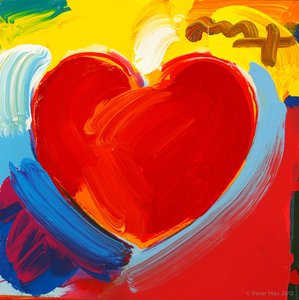
A Life Painted in Cosmic Hues: The World of Peter Max
Peter Max, born Peter Max Finkelstein in Berlin, Germany, in 1937, is more than just an artist; he’s a vibrant embodiment of the 1960s counterculture and a master of translating optimism into color. His story begins amidst the looming shadows of Nazi Germany, a period that would profoundly shape his worldview. Fleeing persecution, Max's family embarked on a remarkable journey to Shanghai, China, in 1938, seeking refuge from the escalating horrors in Europe. This early displacement wasn’t merely a geographical shift; it was an immersion into a world brimming with exotic sights, sounds, and philosophies. The
vibrant colors of Chinese culture, the
serene beauty of Buddhist traditions, and the intricate artistry of calligraphy left an indelible mark on young Peter, subtly influencing the kaleidoscopic palette and spiritual undertones that would later define his artistic style. These formative years instilled in him a deep appreciation for diverse cultures and a sensitivity to the
human condition—themes that resonate throughout his oeuvre.
From Shanghai to Stardom: Artistic Development and Breakthrough
The family’s journey continued after World War II, leading them to Haifa, Israel, in 1948. Here, Max began formal art training under Professor Hünik, a Viennese Expressionist who nurtured his burgeoning talent and instilled an appreciation for expressive techniques. A brief sojourn in Paris further broadened his artistic horizons before the family finally settled in Brooklyn,
New York, in 1953. It was at Lafayette High School that he encountered future actor Paul Sorvino, but it was within the walls of the Art Students League of
New York and later the School of Visual Arts that Max honed his skills, mastering anatomy,
figure drawing, and composition under the guidance of Frank J. Reilly. Before achieving widespread recognition for his signature style, Max co-founded “The Daly & Max Studio” in 1962 with Tom Daly and Don Rubbo, creating advertising art and illustrations incorporating antique photographic images—a practical application of his artistic abilities that provided a foundation for his future success. However, it was the late 1960s that witnessed the true blossoming of Peter Max’s unique vision. He developed a style characterized by
vibrant colors, psychedelic imagery, and cosmic themes, heavily influenced by astronomy and a burgeoning fascination with space exploration. This aesthetic perfectly captured the spirit of the era, and his breakthrough came in 1968 with the iconic “un cola” advertising campaign for 7-Up, catapulting his art into mainstream popularity and solidifying his status as a cultural icon.
A Symphony of Color: Style, Themes, and Major Works
Peter Max is celebrated for seamlessly blending elements of
pop art with psychedelic aesthetics, creating a visual language that resonated deeply with the counterculture movement. His work isn’t simply *about* color; it *is* color—a dazzling explosion of bold, saturated hues and energetic compositions. He frequently employed the entire visible spectrum in his paintings, creating an immersive experience for the viewer. Recurring themes within his art include celestial imagery – stars, planets, moons – symbols of peace, vibrant
floral motifs, and portraits of influential figures, all rendered with a distinctive sense of optimism and joy. Notable works such as “Cosmic Dancer,” “People Stop the War,” and the “
Statue of Liberty Series” exemplify his ability to capture both the beauty of the world and the yearning for a more peaceful future. Beyond painting, Max demonstrated versatility through serigraphs, lithographs, sculptures, posters, and merchandise, making his art accessible to a wider audience. He wasn’t content to confine his creativity to galleries; he wanted to bring color and positivity into
everyday life.
His ability to translate complex emotions and ideas into universally appealing imagery is a testament to his artistic genius.
A Lasting Legacy: Cultural Impact and Continued Relevance
Peter Max became a defining figure in the visual arts and culture of the 1960s, embodying the spirit of optimism, peace, and artistic experimentation. His work significantly contributed to the development and popularization of both
pop art and psychedelic art movements, influencing countless artists and designers who followed. He wasn’t just creating art; he was creating a mood, an atmosphere—a visual representation of hope during a turbulent time. Max's commercial success and accessibility further democratized art, making it available to people from all walks of life through posters, prints, and merchandise. Even in his later years, continuing to create until his death on September 7, 2024, at the age of 86, he remained a prolific artist, exploring new themes while staying true to his signature style. He painted portraits of U.S. presidents and other prominent figures, demonstrating his artistic versatility and continued recognition. Serving as the official artist for major events like the Grammy Awards, World Cup, Super Bowl, and Olympic Games cemented his status as a cultural icon.
Peter Max’s legacy extends far beyond the canvas; it's woven into the fabric of American culture. His vibrant style continues to inspire artists today, and his work remains popular among collectors worldwide—a testament to the enduring power of color, optimism, and artistic vision.