Portrait of Robert Russell Macnee

Robert Russell Macnee Paintings: The 12 Most Famous, Through a Gallery's Eye

Updated November 2026 · ranked by our popularity score (searches, visits and orders for each work) · 12 works by Robert Russell Macnee in our catalogue

In short

To the gallery's eye, Robert Russell Macnee's most famous painting is Sailor's Walk, Kirkcaldy. Bothy with Poultry and Maytime complete the trio every eye recognises. Of the 12 works by Robert Russell Macnee in our catalog, the gallery presents the 12 most famous below, each original with its year, its museum and what makes it unique.

1880 – 1952 Most works: The National Trust For Scotland

The gallery's top 10 Robert Russell Macnee paintings

1
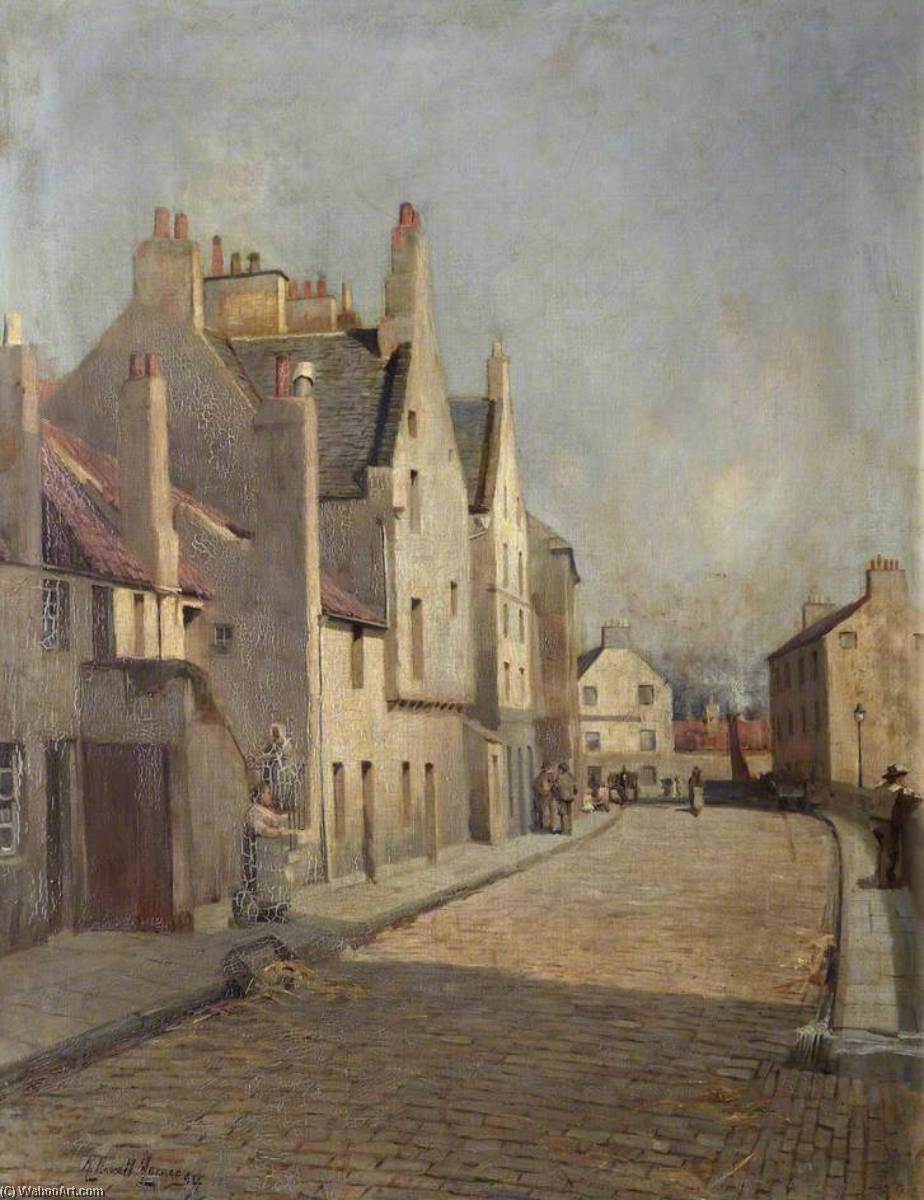
Sailor's Walk, Kirkcaldy by Robert Russell Macnee

Sailor's Walk, Kirkcaldy

Oil

Sailor's Walk, Kirkcaldy is a painting that captures a street scene within a small town. The composition features several people walking along a road, with at least six individuals visible throughout the scene, some positioned in the foreground and others further in the distance. The buildings lining the street are characterized by a yellowish-brown color, contributing to the impression of an old town.

2
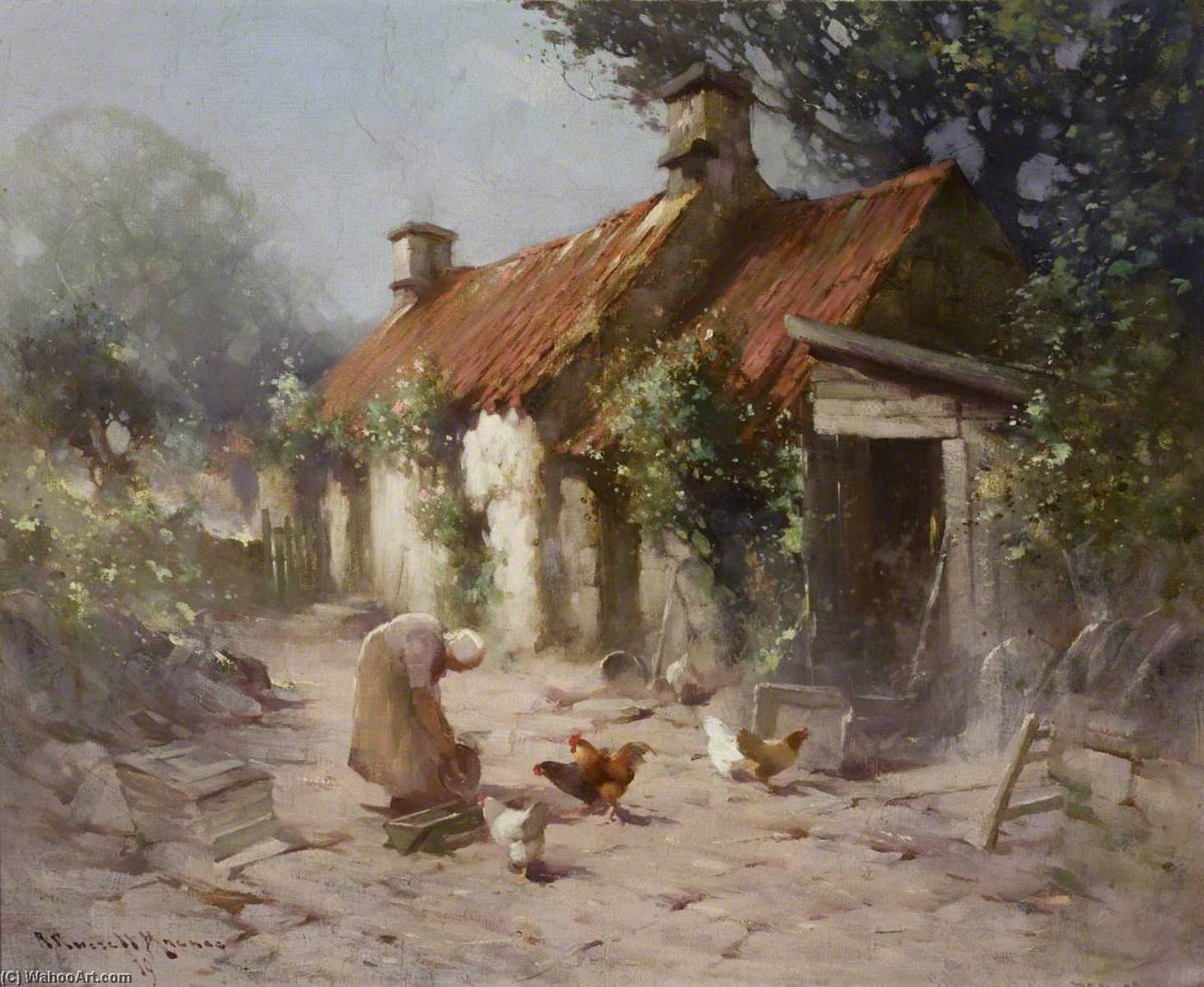
Bothy with Poultry by Robert Russell Macnee

Bothy with Poultry

The composition centers on a rustic farmhouse characterized by a red roof and wooden construction. In the yard surrounding the building, nine poultry birds are positioned across the terrain; some stand upon the ground while others occupy elevated surfaces such as barrels and fences. Two cows are situated within the yard, one positioned toward the left edge and the other toward the right. A single human figure stands near the…

3
Maytime by Robert Russell Macnee

Maytime

Oil On Canvas

In Maytime, we find ourselves drawn into a secluded corner of the countryside, a moment of stillness captured through the lens of British Impressionism. The scene is one of profound simplicity: sheep grazing within a lush, grassy expanse, sheltered by the soft canopy of trees. There is a certain weight to the atmosphere, a sense of the air being heavy with the scent of damp earth and growing clover. The…

Robert Russell Macnee paintings, ranked 11 to 12

The museums that keep Robert Russell Macnee's originals

The museum that holds the most of the paintings on this page.

Museum City Works by Robert Russell Macnee Paintings from this list
The National Trust For Scotland, MayboleThe National Trust For Scotland Maybole 1 Bothy with Poultry

Robert Russell Macnee, the signature paintings of each year

32 years of Robert Russell Macnee's art, 1888 to 1919: the gallery follows them year by year, through the most famous originals of each.

Works per year

Pick a year to see its originals.

Robert Russell Macnee's paintings: the gallery answers

Which Robert Russell Macnee painting is the most famous of all?Reveal the answer

Sailor's Walk, Kirkcaldy. Bothy with Poultry and Maytime come next.

Which are Robert Russell Macnee's top 10 paintings?Reveal the answer

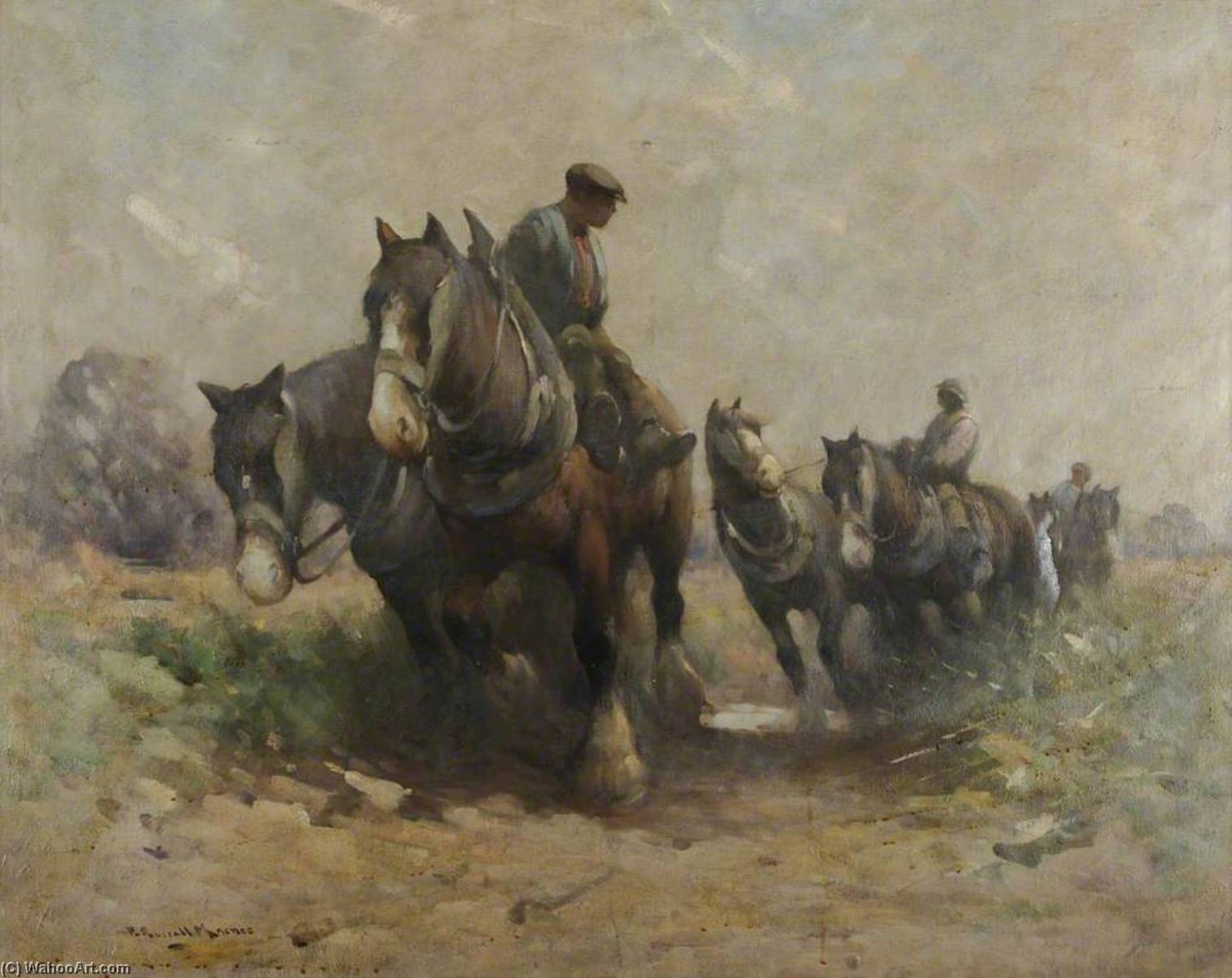
Sailor's Walk, Kirkcaldy, Bothy with Poultry, Maytime, Two Work Horses Drinking, The Light of Evening, Crossing the Burn, Grey Day, October, on a Perthshire Highway, An Auld World Corner, A Warm Day, Tiree and Beach and Seascape. The ranking above gives each one's year and museum.

How many works did Robert Russell Macnee create?Reveal the answer

Our catalog holds 12 works by Robert Russell Macnee, dated from 1888 to 1919.

Where do Robert Russell Macnee's most famous originals hang?Reveal the answer

Mostly in The National Trust For Scotland (Maybole). The museum table above lists them all.

Which are Robert Russell Macnee's earliest and latest famous works?Reveal the answer

On this page, the earliest is Two Work Horses Drinking (1888) and the latest An Auld World Corner (1919).

Robert Russell Macnee: the artist

Robert Russell Macnee: A Scottish Vision of Rural Life

Robert Russell Macnee (1880-1952) was a Scottish painter whose distinctive landscapes and depictions of rural Scotland cemented his place as one of the most important figures in British Impressionism. Born in Kirkcaldy, Fife, Macnee’s artistic journey began with early training in Glasgow School of Art, where he honed his skills alongside fellow artists like George Henderson and John Duncan McLaren—influences that would profoundly shape his aesthetic sensibilities. He embraced a bold palette and expressive brushstrokes, prioritizing capturing the fleeting beauty of the Scottish countryside rather than striving for photographic accuracy.
  • Early Influences: Macnee’s formative years were marked by exposure to Impressionist ideals championed by artists like Claude Monet and Pierre-Auguste Renoir. These masters instilled in him a belief that art should convey emotion and atmosphere above all else, principles he diligently applied throughout his career.
  • Kirk Wynd, Kirkcaldy: Perhaps Macnee’s most celebrated work is “Kirk Wynd, Kirkcaldy,” completed in 1897. This evocative painting portrays a cobblestone street scene bathed in soft light, capturing the essence of daily life in a Scottish village. The muted tones and meticulous attention to detail—particularly the depiction of horses hauling carts—demonstrate Macnee’s commitment to realism tempered by Impressionistic technique.

Developing His Style: From Glasgow School to Painters Eleven Macnee continued his artistic education at Slade School of Fine Art in London, where he further refined his compositional skills and experimented with tonal variations. However, it was his involvement with the Painters Eleven group—a collective dedicated to exploring modernist principles—that truly propelled him toward a more ambitious artistic vision. This association fostered collaboration and intellectual exchange, encouraging Macnee to push boundaries and embrace innovative approaches to landscape painting.
  • Painters Eleven Collaboration: The Painters Eleven artists sought to break away from traditional academic conventions, prioritizing subjective experience and capturing the immediacy of visual perception. Macnee’s participation in this movement resulted in paintings that prioritized expressive brushwork and tonal harmony—characteristics that distinguished him from many of his contemporaries.
  • Notable Paintings: Among Macnee's prolific output were “A Warm Day, Tiree” (1908), a luminous depiction of the Isle of Tiree’s coastline; “Crossing the Burn” (1913), showcasing a tranquil Scottish river scene; and numerous smaller canvases exploring various aspects of rural Scotland.

Legacy and Recognition Macnee's work gained considerable acclaim during his lifetime, particularly within the British Impressionist movement. His paintings were exhibited extensively in London and Glasgow, establishing him as a respected artist and contributing to the broader dialogue about artistic innovation. Today, Macnee’s landscapes continue to resonate with viewers who appreciate their understated beauty and masterful execution—a testament to his enduring contribution to Scottish art history.
  • Russell-Cotes Art Gallery: His paintings reside in Russell-Cotes Art Gallery & Museum in Bournemouth, showcasing the breadth of his artistic talent and ensuring that his vision persists for future generations.
  • Museo Robert Brady: Furthermore, Museo Robert Brady in Cuernavaca houses a significant collection of Macnee’s artworks—a celebration of his enduring legacy as an Impressionist painter.

Concluding Thoughts Robert Russell Macnee's artistic output embodies the spirit of British Impressionism – prioritizing emotion and atmosphere alongside meticulous observation. His landscapes remain treasured representations of Scottish rural life, capturing a timeless beauty that continues to inspire admiration and scholarly study.