A Life Etched in Line and Color: The World of Randolph Caldecott
Randolph Caldecott, a name synonymous with vibrant storytelling and dynamic illustration, emerged from the heart of Victorian England to revolutionize children’s literature. Born on March 22, 1846, in Chester, United Kingdom, his life was a fascinating interplay between the structured world of banking and the boundless realm of artistic expression. The son of John Caldecott, an accountant, and Mary Dinah Brookes, Randolph grew up amidst a large family, fostering a keen observation of
everyday life – a skill that would later become central to his art. Even as a young boy, he demonstrated a remarkable talent for drawing, filling sketchbooks with lively depictions of animals and figures, hinting at the artistic path that lay before him. His education at King’s School, Chester, provided a solid foundation, but it was his innate creativity that truly set him apart. This early inclination wasn't merely a hobby; it was a burgeoning passion that would eventually lead him to leave behind the security of a conventional career and embrace the life of an artist.
From Banking Clerk to Artistic Innovator
Initially, duty called in the form of a position at the Whitchurch & Ellesmere Bank. For several years, Randolph balanced the meticulous demands of banking with his artistic pursuits, a duality that perhaps honed his attention to detail and provided him with a wealth of character studies from the diverse clientele he encountered. It was during this period that his first published work appeared – a sketch of a dramatic fire in Chester for the *Illustrated London News*. This early success ignited a spark, fueling his desire to pursue art full-time. In 1872, he made the pivotal decision to move to London, leaving behind the world of ledgers and balance sheets for one filled with pencils, paints, and possibilities. The transition wasn’t immediate; he initially worked as a journalist, contributing illustrations to prominent magazines like *London Society* and *Punch*. However, it was his collaboration with Henry Blackburn that proved truly transformative. This partnership opened doors to new opportunities and ultimately led to Caldecott's breakthrough in the world of children’s book illustration.
The Golden Age of Illustration: Caldecott’s Masterpieces
Randolph Caldecott’s legacy is inextricably linked to his series of highly successful Christmas books published with Edmund Evans from 1878 to 1886. These weren't simply illustrated stories; they were miniature works of art, brimming with energy and wit. Titles like *The House That Jack Built* and *The Diverting History of John Gilpin* became instant classics, captivating generations of children with their lively characters and dynamic compositions. Caldecott’s illustrations broke away from the overly sentimental or moralistic depictions that were common at the time, embracing a more realistic and humorous approach. He possessed an extraordinary ability to capture movement and emotion in his work, bringing stories to life with remarkable clarity. Beyond these iconic Christmas books, he also lent his talents to illustrating works by renowned authors such as Washington Irving and Juliana Ewing, further solidifying his reputation as a versatile and sought-after artist. His sketches of Parliament, both inside and out, showcased his skill in
architectural detail, while regular exhibitions at the Royal Academy demonstrated his proficiency in painting and sculpture.
A Lasting Influence: The Caldecott Legacy
Randolph Caldecott’s artistic style was characterized by its dynamic compositions, lively figures, and a palpable sense of movement. He wasn't afraid to experiment with perspective and composition, creating illustrations that were both visually engaging and narratively compelling. While specific influences are difficult to pinpoint, his work clearly reflects the broader artistic trends of the Victorian era, particularly the emphasis on
realism and detail. However, Caldecott’s true genius lay in his ability to synthesize these influences into a unique and instantly recognizable style. His impact on children's illustration was profound; he revolutionized the field with his energetic approach and engaging storytelling. He moved away from static, posed figures, opting instead for characters caught in moments of action and emotion. This innovative approach paved the way for future generations of illustrators, inspiring them to embrace a more dynamic and expressive style. Tragically, Caldecott’s life was cut short; he died on February 12, 1886, at the young age of 39 while seeking relief from illness in St. Augustine, Florida. Yet, his legacy endures through the prestigious Caldecott Medal, awarded annually by the Association for Library Service to Children to the most distinguished picture book published in the United States – a fitting tribute to an artist who dedicated his life to bringing joy and wonder to children through the power of illustration. He remains a
Victorian art icon, celebrated not only for his artistic achievements but also for his enduring contribution to the world of children’s literature.
Exploring Caldecott's World Through Art
To truly appreciate Randolph Caldecott’s artistry, one can delve into specific works like
The Goatherd, a captivating
landscape painting that showcases his mastery of texture and
realism. Or consider
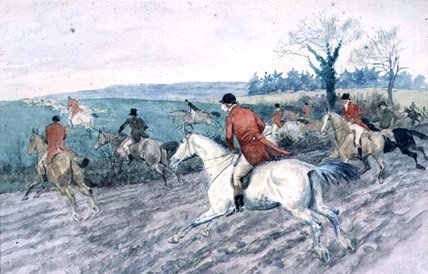
Fox Hunting, a vibrant
watercolor brimming with the energy of
19th-century rural life. And who could forget
Shall I Go With You, My Pretty Maid, an illustration radiating fairytale charm and delicate technique? These pieces, alongside his broader body of work, demonstrate Caldecott’s remarkable ability to capture not just what he saw, but the very essence of a moment in time. His illustrations weren't merely decorative; they were windows into another world, inviting viewers to step inside and become part of the story.
His legacy is a testament to the power of art to entertain, educate, and inspire – a gift that continues to resonate with audiences today.