Portrait of Graciela Iturbide

Graciela Iturbide Paintings: The 25 Most Famous, Through a Gallery's Eye

Updated November 2026 · ranked by our popularity score (searches, visits and orders for each work) · 26 works by Graciela Iturbide in our catalogue

In short

To the gallery's eye, Graciela Iturbide's most famous painting is Pachuco, Mexico City (1972), whose original hangs in the National Museum of Women in the Arts, Washington, D.C.. Jardín Botánico (Botanical Garden), Oaxaca (1998) and Nuestra Señora de las Iguanas (Our Lady of the Iguanas), Juchitán (1979) complete the trio every eye recognises. Of the 26 works by Graciela Iturbide in our catalog, the gallery presents the 25 most famous below, each original with its year, its museum and what makes it unique.

born 1942, Mexico City Documentary photography Most works: National Museum of Women in the Arts

The gallery's top 10 Graciela Iturbide paintings

1
Pachuco, Mexico City (1972) by Graciela Iturbide

Pachuco, Mexico City

1972 · Black and White Photography · National Museum of Women in the Arts, Washington, D.C.

In the heart of 1972 Mexico City, Graciela Iturbide captured more than just a fleeting moment; she immortalized an identity. Her seminal photograph, "Pachuco," serves as a profound window into the burgeoning spirit of youthful rebellion that pulsed through the urban landscape following Mexico's Cultural Revolution. The subject, a young man embodying the pachuco subculture, stands before us not merely as a person, but as a symbol of stylistic resistance…

2
Jardín Botánico (Botanical Garden), Oaxaca (1998) by Graciela Iturbide

Jardín Botánico (Botanical Garden), Oaxaca

1998 · Gelatin Silver Print · National Museum of Women in the Arts, Washington, D.C.

In the heart of Oaxaca’s arid landscape, Graciela Iturbide captures a moment of profound stillness in her 1998 masterpiece, Jardín Botánico (Botanical Garden), Oaxaca. This striking black and white photograph presents a captivating scene where three cactus sculptures rise like sentinels against a vast, uncluttered sky. The composition is defined by a powerful verticality, as the cacti pierce the horizon, inviting the viewer into a deep contemplation of the relationship…

3
Nuestra Señora de las Iguanas (Our Lady of the Iguanas), Juchitán (1979) by Graciela Iturbide

Nuestra Señora de las Iguanas (Our Lady of the Iguanas), Juchitán

1979 · Gelatin Silver Print · National Museum of Women in the Arts, Washington, D.C.

In the profound stillness of Graciela Iturbide’s 1979 masterpiece, "Nuestra Señora de las Iguanas (Our Lady of the Iguanas), Juchitán," we are invited into a world where the boundaries between the human spirit and the natural realm dissolve. This iconic silver gelatin print is far more than a photographic record; it is a poetic meditation on cultural identity, captured during Iturb andide's deep immersion into the indigenous traditions of Mexico.…

4
Autoretrato como Seri (Self-Portrait as Seri) (1979) by Graciela Iturbide

Autoretrato como Seri (Self-Portrait as Seri)

1979 · Gelatin Silver Print · National Museum of Women in the Arts, Washington, D.C.

In the quiet, monochrome depths of Graciela Iturbide’s Autoretrato como Seri (Self-Portrait as Seri), we encounter more than a mere photograph; we enter a profound meditation on the boundaries of the self. Created in 1979, this striking black-and-white masterpiece serves as a visual bridge between the artist's personal identity and the ancestral traditions of the Seri people of Sonora, Mexico. Iturbide does not simply document a culture; she inhabits it,…

5
Peregrinación (Procession), Chalma (1984) by Graciela Iturbide

Peregrinación (Procession), Chalma

1984 · Gelatin Silver Print · National Museum of Women in the Arts, Washington, D.C.

In the profound stillness of Graciela Iturbide’s 1984 masterpiece, Peregrinación (Procession), Chalma, the viewer is not merely an observer but a participant in a sacred ritual. Captured in a stark, evocative black and white gelatin silver print, this photograph serves as a crystallized moment of Mexican cultural identity. The image depicts a dense procession of pilgrims journeying toward the sanctuary of Chalma, a site where ancient Aztec spiritualism and Christian…

7
Torito (Little Bull), Coyoacán, Mexico City (1982) by Graciela Iturbide

Torito (Little Bull), Coyoacán, Mexico City

1982 · Acrylic On Canvas · National Museum of Women in the Arts, Washington, D.C.

Captivating Subject and Cultural Significance This striking artwork presents a monochromatic depiction of a bull’s head, mounted on a bicycle frame, blending elements of sculpture and photography to evoke powerful cultural symbolism. The bull, a revered animal in Mexican tradition, symbolizes strength, resilience, and cultural identity. Its prominent horns and fierce expression invite viewers to reflect on themes of tradition, sacrifice, and communal heritage. The mounted presentation suggests a narrative…

8
Ciudad de México (Mexico City) (1969) by Graciela Iturbide

Ciudad de México (Mexico City)

1969 · Gelatin Silver Print · National Museum of Women in the Arts, Washington, D.C.

The air in this 1969 scene feels heavy with a stillness that borders on the sacred. A woman sits at a table, her presence anchoring the entire composition. She does not look away; her gaze meets the lens with an unwavering directness that demands a response from anyone watching. Behind her, the wall is dominated by a large mural, its religious iconography looming like a silent witness to her contemplation.…

9
Inmaculada (Immaculate Girl), Xochimilco (1984) by Graciela Iturbide

Inmaculada (Immaculate Girl), Xochimilco

1984 · Acrylic On Canvas · National Museum of Women in the Arts, Washington, D.C.

Inmaculada (Immaculate Girl), Xochimilco – A Hymn to Innocence Amidst Vibrant Ritual Graciela Iturbide’s “Inmaculada,” created in 1984, transcends mere photography; it's a profound meditation on faith, identity, and the enduring beauty of Mexican culture. Captured against the backdrop of Xochimilco’s canals—a UNESCO World Heritage Site steeped in tradition—the image portrays a young girl standing before an expansive mural depicting an angelic figure adorned with intricate floral motifs, skulls, and…

10
Cuatro pescaditos (Four Little Fish), Juchitán (1986) by Graciela Iturbide

Cuatro pescaditos (Four Little Fish), Juchitán

1986 · Black and White Photography · National Museum of Women in the Arts, Washington, D.C.

In the quiet, sun-drenched corners of Oaxaca, Mexico, Graciela Iturbide captures more than just a moment; she captures a soul. Her 1986 masterpiece, Cuatro Pescaditos (Four Little Fish), Juchitán, serves as a profound distillation of Zapotec culture and the enduring beauty found within the rhythms of everyday life. This black-and-white photograph is far more than a mere documentary record; it is a poignant meditation on identity and dignity. Through her…

Graciela Iturbide paintings, ranked 11 to 25

The subjects that held Graciela Iturbide's eye

The four subjects that come back most often in these originals, each with its finest example.

The museums that keep Graciela Iturbide's originals

The 3 museums that hold the most of the paintings on this page.

Museum City Works by Graciela Iturbide Paintings from this list
National Museum of Women in the Arts, Washington, D.C.National Museum of Women in the Arts Washington, D.C. 23 Pachuco, Mexico City, Jardín Botánico (Botanical Garden), Oaxaca, Nuestra Señora de las Iguanas (Our Lady of the Iguanas), Juchitán
USC Fisher Museum of Art, Los AngelesUSC Fisher Museum of Art Los Angeles 1 Untitled (Family in a Hammock)
Museum of Fine Arts, BostonMuseum of Fine Arts Boston 1 Photographer, Chiapas

Graciela Iturbide, one signature painting per decade

Works per decade

Pick a decade to see the original that defines it.

Graciela Iturbide's paintings: the gallery answers

Which Graciela Iturbide painting is the most famous of all?Reveal the answer

Pachuco, Mexico City (1972), National Museum of Women in the Arts, Washington, D.C.. Jardín Botánico (Botanical Garden), Oaxaca (1998) and Nuestra Señora de las Iguanas (Our Lady of the Iguanas), Juchitán (1979) come next.

How old was Graciela Iturbide on completing Pachuco, Mexico City?Reveal the answer

30 years old: Pachuco, Mexico City dates from 1972, and Graciela Iturbide was born in 1942.

Which are Graciela Iturbide's top 10 paintings?Reveal the answer

Pachuco, Mexico City, Jardín Botánico (Botanical Garden), Oaxaca, Nuestra Señora de las Iguanas (Our Lady of the Iguanas), Juchitán, Autoretrato como Seri (Self-Portrait as Seri), Peregrinación (Procession), Chalma, Los pollos (Chickens), Juchitán, Torito (Little Bull), Coyoacán, Mexico City, Ciudad de México (Mexico City), Inmaculada (Immaculate Girl), Xochimilco and Cuatro pescaditos (Four Little Fish), Juchitán. The ranking above gives each one's year and museum.

How many works did Graciela Iturbide create?Reveal the answer

Our catalog holds 26 works by Graciela Iturbide, dated from 1960 to 2005.

Where do Graciela Iturbide's most famous originals hang?Reveal the answer

Mostly in National Museum of Women in the Arts (Washington, D.C.), USC Fisher Museum of Art (Los Angeles) and Museum of Fine Arts (Boston). The museum table above lists them all.

When did Graciela Iturbide create the most famous paintings?Reveal the answer

In 1970s: 8 of the 25 works on this page were made then, Pachuco, Mexico City among them.

Which are Graciela Iturbide's earliest and latest famous works?Reveal the answer

On this page, the earliest is Untitled (Family in a Hammock) (1960) and the latest El baño de Frida (Frida’s Bathroom), Coyoacán (2005).

Which subjects did Graciela Iturbide return to most?Reveal the answer

Mexican culture (5), Black and white (4) and Symbolic imagery (3), across the 25 works on this page.

Which medium did Graciela Iturbide work in most?Reveal the answer

Gelatin Silver Print, for 9 of the 25 works on this page.

Which movement is Graciela Iturbide associated with?Reveal the answer

Documentary photography and Contemporary realism, judging by the originals on this page.

Which Graciela Iturbide originals does the National Museum of Women in the Arts hold?Reveal the answer

Pachuco, Mexico City, Jardín Botánico (Botanical Garden), Oaxaca and Nuestra Señora de las Iguanas (Our Lady of the Iguanas), Juchitán: the National Museum of Women in the Arts, Washington, D.C. holds 23 of the works on this page.

Graciela Iturbide: the artist

A Life Etched in Light: The Poetic Vision of Graciela Iturbide

Graciela Iturbide, born in Mexico City in 1942, is more than a photographer; she’s a visual poet whose black-and-white images resonate with the soul of her nation and the universal human experience. Growing up as the eldest of thirteen children within a deeply traditional Catholic family instilled in her an acute observational skill – a quiet attentiveness to the nuances of life that would later define her artistic practice. Her father’s amateur photography, documenting everyday family moments, sparked an early fascination with the medium, transforming simple snapshots into cherished memories and laying the foundation for Iturbide's own exploration of image-making. These formative years weren’t merely about learning technique; they were about understanding how photographs could encapsulate identity, preserve history, and evoke profound emotion.

From Grief to Revelation: Finding a Voice Through the Lens

A pivotal moment arrived in 1970 with the tragic loss of her six-year-old daughter, Claudia. This devastating event irrevocably altered Iturbide’s path, prompting her to seek solace and meaning through artistic expression. Initially drawn to filmmaking at the Centro Universitario de Estudios Cinematográficos at the Universidad Nacional Autónoma de México, she soon discovered that still photography offered a more direct conduit for her burgeoning vision. A crucial mentorship with Manuel Álvarez Bravo between 1970 and 1971 proved transformative. He wasn’t simply teaching technical skills; he was imparting a philosophy of patience, encouraging Iturbide to wait for the decisive moment – that fleeting instant when all elements align to create an image imbued with power and significance. This period marked a turning point, solidifying her commitment to photography as a means of processing grief, exploring complex themes, and documenting the world around her.

Echoes of Tradition: Documenting Mexico’s Soul

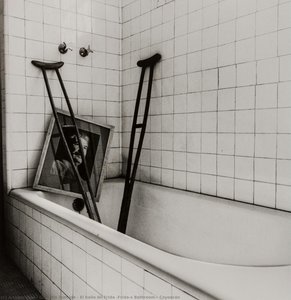
Iturbide's work is characterized by its poetic sensibility and evocative black-and-white imagery. She doesn’t merely *take* pictures; she engages in a dialogue with her subjects, immersing herself in their worlds and allowing their stories to unfold before her lens. Her focus lies on documenting the lives, rituals, and identities of marginalized communities within Mexico, particularly indigenous cultures like the Zapotec, Mixtec, and Seri peoples. Recurring themes – identity, sexuality, death, spirituality, and the roles of women – are woven throughout her oeuvre, offering a nuanced portrayal of Mexico’s complex cultural landscape. She deliberately avoids direct intervention, preferring to observe and capture authentic moments as they unfold naturally. This respectful approach allows her subjects to retain their dignity and agency, resulting in images that feel both intimate and profound. Her iconic “Nuestra Señora de las Iguanas (Our Lady of the Iguanas), Juchitán” (1979) exemplifies this perfectly – a woman surrounded by iguanas in Oaxaca, becoming a powerful symbol of indigenous spirituality and feminine strength. Similarly, "El baño de Frida (Frida’s Bathroom), Coyoacán" offers an intimate glimpse into the personal sanctuary of Frida Kahlo, revealing layers of symbolism within her private space.

A Legacy Forged in Recognition

Throughout her career, Graciela Iturbide has received significant recognition for her contributions to photography. She was awarded the W. Eugene Smith Grant in 1971 and secured a scholarship from the Guggenheim College, providing crucial support for her artistic endeavors. Her series documenting the Seri Indians of Sonora stands as a testament to her dedication to preserving cultural heritage, capturing their unique way of life and deep connection to the desert environment. Other notable works like “Photographer, Chiapas” and “Inmaculada (Immaculate Girl), Xochimilco” further demonstrate her ability to find beauty and meaning in everyday scenes. Iturbide’s influence extends far beyond Mexico's borders; her work has been exhibited internationally and is held in prestigious museum collections such as the San Francisco Museum of Modern Art and The J. Paul Getty Museum. She has paved the way for other Latin American female photographers, challenging conventional representations of Mexican culture and inspiring a new generation of artists with her commitment to social documentation, poetic vision, and unwavering respect for cultural diversity. Graciela Iturbide is not just documenting Mexico; she’s revealing its soul.