Benvenuto Cellini: A Renaissance Polymath
- Born: Florence, Italy (November 1, 1500)
- Died: February 13, 1571
Benvenuto Cellini was a remarkable figure of the Italian Renaissance, renowned as an accomplished goldsmith, sculptor, draftsman, soldier, musician, and writer. His multifaceted talents and flamboyant personality are vividly captured in his celebrated autobiography, considered a significant literary work alongside his artistic achievements. He embodies the spirit of Mannerism, a period following the High Renaissance characterized by dramatic flair and stylistic complexity.
Early Life and Artistic Training
Born into a family with musical inclinations – his father was a musician and instrument maker – Cellini initially showed promise in music. However, at fifteen, he passionately pursued a career as a goldsmith, convincing his reluctant father to apprentice him to Antonio di Sandro (known as Marcone). This marked the beginning of his formal artistic training. His early years were not without incident; at sixteen, he became embroiled in an affray with companions, leading to banishment from Florence and a period working in Siena under goldsmith Fracastoro.
Major Artistic Works and Style
- Salt Cellar: This elaborate silver masterpiece, commissioned by King Francis I of France, is arguably his most famous work. It showcases intricate detail and dynamic figures, now housed at the Kunsthistorisches Museum in Vienna.
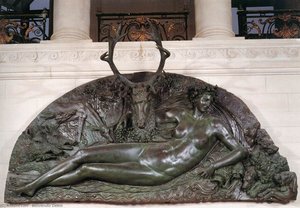
- Perseus with the Head of Medusa: A bronze sculpture depicting Perseus triumphantly holding the severed head of Medusa, this piece exemplifies Cellini’s mastery of form and dramatic composition. It stands as a testament to his skill in capturing movement and emotion in metal.
- Gold Medallion of Leda and the Swan: Created for Gonfaloniere Gabriello Cesarino, this medallion demonstrates Cellini's ability to blend classical mythology with exquisite craftsmanship.
- Project for a Seal: A drawing held at the British Museum, showcasing his design skills.
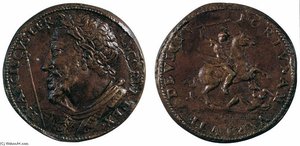
Cellini’s style is characterized by its dynamism, realism, and attention to detail. He drew inspiration from classical antiquity and Michelangelo's powerful figures, but infused his work with a distinctly Mannerist sensibility – elongated forms, exaggerated poses, and a sense of theatricality.
Life Beyond Art: Soldier, Musician, and Autobiographer
Cellini’s life extended far beyond the workshop. He served as a soldier during sieges, claiming to have played a crucial role in defending Rome against imperial forces. He was also an accomplished musician, playing the cornett and flute at papal court. However, it is his autobiography that truly sets him apart.
- The Life of Benvenuto Cellini: This candid and often boastful account provides invaluable insights into Renaissance art, culture, and society. It’s a compelling narrative filled with anecdotes about patrons, rivals, and personal adventures, offering a unique perspective on the era.
His autobiography is not merely a recounting of events; it's a carefully constructed self-portrait designed to showcase his talents and justify his actions. While sometimes unreliable due to Cellini’s own biases, it remains an essential primary source for understanding Renaissance life.
Legacy and Historical Significance
Benvenuto Cellini died in Florence in 1571, leaving behind a legacy as one of the most important artists of Mannerism. His technical skill, artistic innovation, and captivating autobiography continue to inspire artists and art enthusiasts alike. He represents the quintessential Renaissance ideal – a polymath skilled in multiple disciplines, driven by ambition, and unafraid to express his individuality. His works are celebrated for their beauty, craftsmanship, and dramatic power, solidifying his place as a pivotal figure in Western art history.