The Merchant's Canvas: How Trade Redefined the Subject of Art
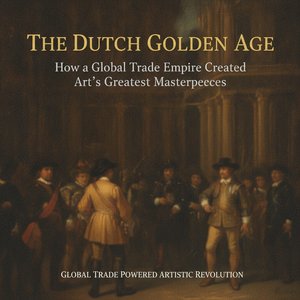
The seventeenth century in the Dutch Republic was a period of profound transformation, driven by a surge in economic prosperity and a newfound independence from Spanish rule. As trade networks expanded, a burgeoning middle and merchant class emerged, possessing the wealth to collect art but lacking the religious or aristocratic patronage common in the rest of Europe. This shift moved the focus of painting away from the grand, idealized scenes of Catholic churches and toward the tangible realities of the home.
This historical pivot finds a direct echo in the rise of the modern art market. Just as the Dutch merchants of the 1600s sought smaller, more manageable works that reflected their own lives and values, today's collectors often look for art that fits the specific dimensions and aesthetic needs of a contemporary home. The scale of these works was dictated by the practicalities of transport through a network of canals, making them accessible to a wider audience. We see this same accessibility today through our digital mockups, which allow you to visualize how a specific scale and composition will inhabit your own living space before a single drop of paint is applied.
Chiaroscuro: The Psychological Power of Light and Shadow
The dramatic interplay of light and dark, known as chiaroscuro, became a defining characteristic of the Baroque era, used to direct the viewer's eye and create a sense of profound depth. In works like Rembrandt’s Bathsheba at Her Bath, the technique is used to contrast the bright, luminous skin and white linen against a dark, receding background. This is not merely a visual trick; it is a way to isolate a moment of intense human emotion or quiet contemplation, pulling the subject out of the darkness and into the light of the viewer's attention.
This manipulation of light remains a fundamental tool for artists seeking to convey mood. The way a single light source can define the contours of a face or the texture of a fabric is a technique that continues to define high-quality portraiture. When our artists create hand-painted reproductions, they focus heavily on these tonal ranges, ensuring that the depth of the shadows and the brilliance of the highlights are captured with the same intentionality used by the masters to create a sense of presence.
The Rough Style: Capturing the Energy of a Moment
While some painters sought a polished, invisible finish, Frans Hals pioneered a "rough style" characterized by quick, loose brushwork. In his The Lute Player, the visible strokes of the brush create a sense of immediacy, as if the figure is caught in mid-movement. This technique breaks away from the static, frozen quality of traditional portraiture, instead offering a snapshot of life that feels spontaneous and alive.
This emphasis on the "moment" presaged the development of modern movements like Impressionism. The energy found in Hals' brushwork is a direct ancestor to the expressive textures seen in the works of Monet or Mary Cassatt. For those who appreciate the tactile nature of paint, this "rough style" is best experienced through a handmade oil reproduction. Unlike a flat digital print, a hand-painted canvas retains the physical impasto and the visible movement of the brush, allowing the energy of the artist's hand to remain part of the work.
Landscapes of Identity: The Spirit of the Dutch Terrain
The Dutch landscape was not merely a backdrop; it was a source of national pride and a reflection of a hard-won identity. Painters like Jacob van Ruisdael focused on the unique characteristics of the local terrain, from the dramatic, cloud-filled skies to the specific textures of dunes and windmills. These works often emphasized "heroic" elements of the natural world, turning the everyday geography of the Netherlands into something monumental and significant.
This connection between landscape and identity persists in how we view our own environments. The desire to bring the outdoors into the home through large-scale art is a modern continuation of this impulse. For those seeking to transform a room, we offer architectural art, including large-format murals and frescoes, which can recreate historical landscapes or ceiling designs on a scale that changes the very atmosphere of a space.
Still Life and the Philosophy of the Mundane
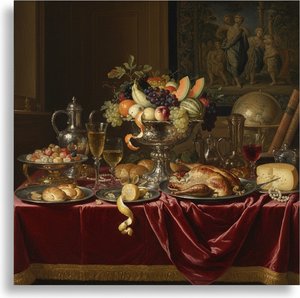
The stilleven, or still life, flourished as a way to explore both the beauty of objects and the philosophical complexities of existence. Whether it was a lavish breakfast table or a scientific study of flowers, these arrangements were composed with meticulous accuracy. These paintings often served as a meditation on the fleeting nature of life, using carefully placed objects to suggest the passage of time and the transience of material wealth.
This fascination with the beauty of the everyday is reflected in the modern interest in custom art. Just as the Dutch masters found significance in a silver goblet or a blooming tulip, many of our clients seek to immortalize their own meaningful objects or personal milestones. Through our "Buy from Photo" service, we can transform a personal photograph into a custom oil painting, turning a private memory into a permanent, artistic object.
The Evolution of the Portrait: From Status to Soul
Portraiture underwent a significant transformation during the Golden Age, moving from the rigid, formal depictions of nobility toward a more psychological realism. Rembrandt’s The Anatomy Lesson of Dr. Nicolaes Tulp revolutionized the group portrait by treating the subjects not as a static line of individuals, but as a dynamic, interacting group caught in a moment of shared intellectual purpose. This approach allowed for a deeper exploration of character and human connection.
This shift toward the individual is why portraiture remains one of the most popular forms of custom art. The ability to capture a person's essence—rather than just their likeness—is the goal of any great portraitist. We facilitate this through our professional digital mockup service, which allows you to experiment with different styles, such as transforming a modern portrait into a 17th-century masterpiece in the style of Rembrandt, ensuring the final result captures the soul of the subject.
The Lineage of Realism: From the Golden Age to the Modern Eye
The influence of the Dutch masters did not end with the 17th century; it flowed directly into the Realist and Impressionist movements of the 19th century. Artists like Courbet and Manet looked back to the Dutch focus on ordinary life, while the Impressionists drew inspiration from the light-drenched qualities of the Golden Age. This lineage demonstrates that the techniques developed in the Dutch Republic were not just stylistic choices, but fundamental shifts in how humans perceive and represent reality.
Today, this legacy continues through the intersection of traditional craftsmanship and modern technology. Whether through a hand-painted oil reproduction that honors the textures of the past or an AI-reconstructed masterpiece that reimagines a photo in a historical style, the spirit of the Dutch Golden Age remains a vital part of our visual language. For those looking to explore these connections further, OriginalUniqueArt.com offers a curated selection of these historical perspectives.
Explore the profound connection between the Dutch Republic's global trade empire and its unparalleled artistic achievements. Discover how 17th-century masters transformed everyday life into timeless masterpieces through light, realism, and unmatched technical brilliance.
Explore the profound impact of the Dutch Golden Age. Discover how unprecedented economic prosperity and a revolution in realism birthed legendary masters, transforming everyday life into timeless masterpieces that continue to define the pinnacle of art history.
Explore the captivating world of Dutch Golden Age still life with Abraham van Beyeren. Discover his innovative techniques, symbolic banquet scenes & lasting influence on art history. Learn about collecting these masterpieces.
Discover the dramatic allure of Dutch Masterpieces. Explore the profound technique of chiaroscuro through premium, hand-painted oil reproductions that bring the soul of Rembrandt and the Golden Age into your luxury interior with museum-grade excellence.