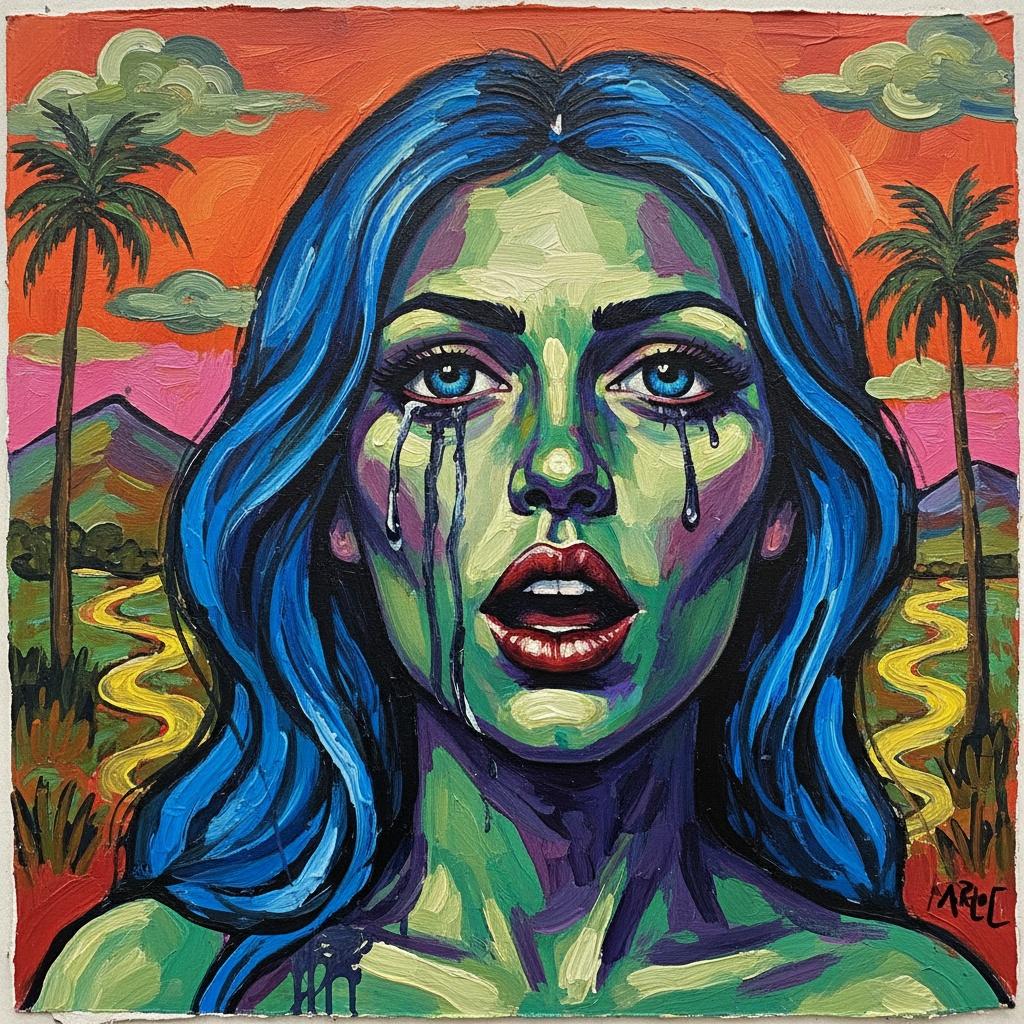
The Birth of the 'Wild Beasts': Origins of the Fauvist Revolution
At the dawn of the twentieth century, the Parisian art scene was a crucible of radical experimentation, a place where the rigid structures of academic tradition were beginning to fracture under the weight of modernity. It was within this electric atmosphere that a group of young, daring painters emerged, forever altering the trajectory of Western aesthetics. The term Fauvism itself was born not from a manifesto, but from a moment of critical shock. During the 1905 Salon d'Automne, the critic Louis Vauxcelles, confronted by the jarring, uninhibited use of color in the works of Henri Matisse and his contemporaries, famously described the artists as being surrounded by les fauves—the wild beasts. This label, intended as a critique of their perceived lack of restraint, was instead embraced as a badge of honor by a generation determined to strip away the artifice of realism.
To understand the genesis of this movement, one must look beyond the mere shock value and recognize the profound desire for emotional authenticity. These artists were not merely seeking to provoke; they were responding to a world that was rapidly changing through industrialization and new psychological insights. By rejecting the muted palettes and meticulous anatomical accuracy of the past, the Fauves sought to capture the essence of a subject rather than its literal appearance. This period marked a pivotal departure from Impressionism, moving away from the scientific study of light toward a more subjective, visceral experience of reality. The revolution was not just about what was painted, but how the very act of painting could serve as a direct conduit for human feeling.
Chromatic Rebellion: The Liberation of Color and Form
The true hallmark of Fauvism lies in its unprecedented liberation of color from its descriptive duties. In the hands of a Fauvist master, a sky need not be blue, and a face need not be flesh-toned; a tree might erupt in brilliant vermilion, or a shadow might be rendered in deep, electric violet. This was a profound rebellion against the concept of local color—the idea that an object possesses a fixed hue regardless of lighting or emotion. Instead, color became an autonomous force, used to create rhythm, depth, and psychological tension within the composition. The palette was no longer a tool for mimicry but a language of pure expression, where high-contrast juxtaposations of primary and secondary colors created a vibrating, luminous energy that seemed to pulse from the canvas.
Accompanying this chromatic explosion was a radical simplification of form. The Fauves moved away from the complex, multi-layered perspective of the Renaissance, opting instead for flattened planes and bold, sweeping outlines. This reduction of detail allowed the viewer to focus on the structural integrity of the composition and the raw impact of the pigment. By stripping away the unnecessary, they achieved a decorative harmony that emphasized the two-dimensional reality of the canvas. This interplay between heavy, expressive brushwork and simplified shapes created a sense of immediacy, as if the artist’s hand were still visible in the heat of creation, inviting the spectator to participate in the raw, unmediated energy of the work.
Masters of the Palette: Analyzing the Works of Henri Matisse
No discussion of Fauvism is complete without a deep immersion into the oeuvre of Henri Matisse, the movement's undisputed luminary. Matisse possessed an unparalleled ability to balance intense color with a profound sense of structural equilibrium. In masterpieces such as Portrait of Pierre Matisse, one observes how he utilizes bold, non-naturalistic tones to define character and presence, using simplified forms to direct the eye through a carefully orchestrated visual narrative. His work often oscillates between the serene and the explosive, demonstrating that even within the most radical color choices, there can exist a deep, meditative calm.
Matisse’s exploration of the still life and the figure also reveals his mastery of decorative pattern and light. In works like Nature morte aux grenades, the pomegranate becomes more than mere fruit; it is a vessel for saturated reds and deep shadows that command the viewer's attention through sheer intensity. Similarly, in Madame Matisse en Japonaise, we see his fascination with texture and exoticism, where color serves to evoke a sense of atmosphere and cultural allure. His genius lay in his ability to use the "wild" language of Fauvism to achieve a sophisticated, almost musical harmony, proving that the most radical techniques could still serve the highest purposes of beauty and grace.
Beyond the Canvas: The Lasting Legacy of Fauvism on Modern Art
While the Fauvist movement itself was relatively short-lived as a cohesive group, its ripples were felt across the entire landscape of twentieth-century art. By breaking the tether between color and reality, the Fauves paved the way for nearly every major avant-garde movement that followed. The expressive freedom found in German Expressionism owes a direct debt to the Fauvist emphasis on emotion; the structural investigations of Cubism were made possible by the Fauvist simplification of form; and even the later abstractions of the mid-century can trace their lineage back to this initial liberation of the pigment.
The legacy of the "wild beasts" is found in the modern understanding that art is a subjective experience. They taught us that the artist's internal vision is just as valid—if not more so—than the external world. This shift in perspective fundamentally changed the relationship between the creator, the artwork, and the audience, fostering an era of unprecedented experimentation. Today, whenever we encounter art that prioritizes mood over mimicry or uses color to evoke a visceral response, we are witnessing the enduring spirit of the Fauvist revolution.
Curating Emotion: How to Appreciate and Collect Fauvist-Inspired Art
For the contemporary enthusiast and collector, engaging with Fauvist-inspired art requires an openness to sensory experience. To appreciate these works is to move beyond the analytical and into the emotional. When viewing a piece characterized by bold hues and simplified contours, one should ask not "What does this represent?" but rather "How does this color make me feel?" The true value of such art lies in its ability to disrupt the mundane and inject a sense of vitality and drama into a space.
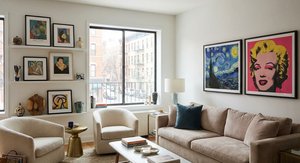
Collecting works that echo this spirit can transform an interior environment, turning a room into a gallery of emotion. Whether through the acquisition of museum-quality reproductions or the commissioning of custom pieces that utilize impasto textures and vibrant pigments, the goal is to capture that "living" quality of the original masters. As you curate your collection, consider how the interplay of light and color can interact with your architectural surroundings, much like the Fauves intended their canvases to exist as vibrant, breathing entities within the world.
At OriginalUniqueArt.com, we celebrate this enduring passion for art history. We specialize in bringing the profound beauty of the Old Masters and the avant-garde into modern homes through meticulous, hand-painted oil reproductions and museum-grade Giclée prints. Our dedicated artists, trained in the finest academies, work to preserve the tactile brushstrokes and emotional depth that define movements like Fauvism, ensuring that every piece we create serves as a lasting testament to human creativity.