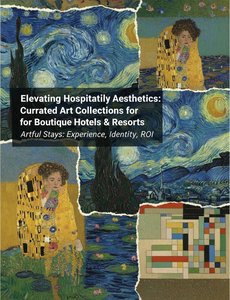
The Art of First Impressions: Defining Hotel Identity Through Masterpieces
In the realm of luxury hospitality, the lobby serves as more than a mere transit point; it is the threshold of a brand’s soul. For the discerning designer, this space represents a silent dialogue between architecture and emotion. When a guest steps into a grand atrium, their first instinct is to seek a narrative, a sense of place that transcends the transient nature of travel. Nothing anchors this narrative with more authority than the presence of iconic art. A carefully curated selection of masterpiece reproductions can transform a sterile corridor into a gallery of cultural significance, imbuing the space with an immediate sense of heritage and prestige.
The power of a great painting lies in its ability to command attention without uttering a word. Whether it is the sweeping romanticism of a landscape or the profound depth of a classical portrait, art acts as the emotional heartbeat of the interior. By integrating works that resonate with historical weight, designers can establish an atmosphere of timelessness, ensuring that the hotel’s identity is not merely seen, but felt deeply by every visitor who passes through its doors.
Curating the Atmosphere: Selecting Eras and Styles for Specific Interior Concepts
The curation process requires a sophisticated understanding of how different eras evoke distinct psychological responses. A boutique hotel leaning into Regency elegance might find its voice through the delicate, light-drenched watercolors reminiscent of William Alfred Delamotte’s interior scenes, where Rococo influences whisper of opulence and grace. Conversely, a modern, avant-garde establishment may seek to disrupt the traditional with the bold, fractured perspectives of Cubism or the vibrant energy of Pop Art, creating a tension that feels both contemporary and intellectually stimulating.
Selecting the right era is an exercise in thematic cohesion. For instance, a Victorian-inspired parlor setting benefits from the rich, detailed textures found in period design depictions, which provide a sense of warmth and established luxury. Designers must consider how the historical weight of a piece—such as the dramatic chiaroscical intensity of a Rembrandt-style portrait—complements the lighting and materiality of the room. The goal is to create a curated journey where each era selected serves to reinforce the overarching design concept, turning the lobby into a cohesive, immersive environment.
From Prints to Palettes: Integrating Texture and Scale into Architectural Design
True luxury resides in the tactile. While high-quality Giclée prints offer incredible precision and longevity, they are often flat interpretations of a much deeper reality. For the high-end designer, the true distinction lies in the use of handmade oil reproductions. These works possess a three-dimensional vitality; the visible, heavy brushstrokes and the impasto technique create a play of light and shadow that changes as the guest moves through the space. This "living" quality of oil on 100% heavy-duty cotton canvas adds a layer of sensory richness that flat imagery simply cannot replicate.
Scale is equally critical in architectural integration. A single, massive canvas can serve as a focal point that anchors an entire wing, while the modern trend of multi-panel or group set paintings allows for a more rhythmic distribution of art across wide walls or grand staircases. By splitting a singular masterpiece across three, four, or even five panels, a designer can manipulate the visual flow of a room, guiding the eye along architectural lines and creating a sense of movement that mirrors the energy of the hotel itself.
Bespoke Commissions: Customizing Historical Styles for Brand Alignment
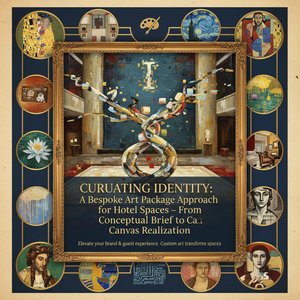
In an era where uniqueness is the ultimate luxury, the ability to "remix" art history offers unparalleled creative freedom. The most prestigious hotel projects often require a bespoke approach, where the boundaries between historical reverence and modern branding blur. Through advanced customization, it is possible to request a contemporary photograph be reimagined through the light-drenched lens of Monet or the textured, emotive strokes of Van Gogh. This allows for a personalized brand narrative that feels both historically grounded and uniquely proprietary.
This level of customization extends to "Period Shifts," where modern elements can be transformed into 17th-century masterpieces. For hotels seeking to integrate their own heritage or specific local landmarks, custom commissions allow for the creation of works that are entirely unique to their location. This bespoke service ensures that the art is not merely a decoration, but a tailored component of the hotel’s architectural DNA, meticulously planned through digital mockups to ensure perfect color matching and compositional harmony before a single drop of paint touches the canvas.
Technical Excellence: Ensuring Longevity and Durability in High-Traffic Spaces
For the hospitality professional, beauty must be matched by durability. The art within a hotel lobby is subject to the rigors of high-traffic environments, including fluctuations in light, humidity, and atmospheric pollutants. Therefore, the technical composition of the artwork is paramount. Premium reproductions utilize high lightfastness pigments and specialized oils, such as safflower, to prevent the yellowing of whites over time. The application of a final Damar varnish serves as a protective shield, preserving the vibrancy of the colors against the elements.
Furthermore, structural integrity is essential for long-term investment. From the use of flexible gesso to prevent cracking in large-format works to the engineering of reinforced, braced stretcher bars that prevent warping, every technical detail must be considered. For even larger architectural interventions, such as ceiling frescoes or massive wall murals, the art must be executed on industrial-grade canvas rolls that can be installed with the precision of high-end wallpaper, ensuring that the masterpiece remains a permanent and pristine fixture of the hotel’s interior for decades.
The Professional Advantage: Seamless Implementation and Global Logistics
Executing a large-scale art installation requires more than just aesthetic vision; it demands logistical excellence. For designers managing complex international projects, the ability to rely on a streamlined, transparent process is invaluable. This includes everything from digital order management systems that allow for real-time tracking of the painting process—from sketching to drying—to the provision of professional digital mockups that eliminate uncertainty during the planning phase.
The complexities of global trade, including customs duties and international shipping, should never be a barrier to design excellence. A truly professional partner manages the intricacies of VAT, provides tax-compliant documentation, and utilizes secure, reinforced packaging via global leaders like DHL Express and FedEx. When the logistics are handled with such precision, the designer is free to focus on what truly matters: the creation of an extraordinary, art-filled sanctuary that leaves a lasting impression on the world.
At OriginalUniqueArt.com, we specialize in bringing these visions to life. From our roots in 2004 to our current status as a global leader in fine art reproduction, we provide hotel designers and collectors with access to an unparalleled library of over 465,000 works. Whether you require a single Giclée print or a massive, multi-panel oil commission, our commitment to academic excellence and professional service ensures that your architectural vision is realized with the utmost prestige.