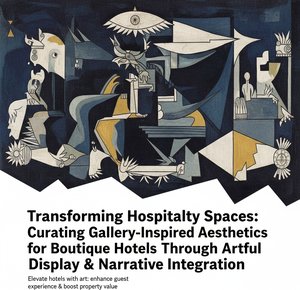
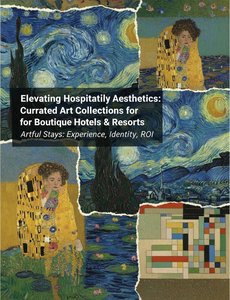
The Evolving Role of Art in Hotel Design: Beyond Aesthetics to Brand Storytelling
 The Curated Interior: Emotional Resonance & Spatial Harmony Through Art Display
Discover how art transforms interiors into emotionally resonant spaces. Expert guidance on curation, bespoke commissions & the psychology of design for luxury homes. Elevate your space with OriginalUniqueArt.
For centuries, hotels have been more than mere repositories for travelers; they’ve functioned as temporary homes, social hubs, and reflections of the cultures they inhabit. While comfort and convenience remain paramount, a subtle yet profound shift has occurred in recent decades—a recognition that art isn't simply decorative embellishment within these spaces, but rather a powerful conduit to brand storytelling and emotional resonance. The transient nature of hotel stays demands an immediate connection, a sense of place woven into the very fabric of the environment. Historically, hotels often employed generic artwork, safe choices intended to offend no one. Today’s discerning traveler, however, seeks authenticity, experiences, and a deeper engagement with their surroundings. This evolution necessitates a move beyond aesthetics towards a carefully curated artistic identity—one that speaks volumes about the hotel's values, history, and aspirations.
The most successful hotels understand this principle implicitly. Consider the grand dame hotels of Europe, where original paintings and sculptures aren’t merely displayed but actively contribute to the narrative of opulence and tradition. Or examine contemporary boutique establishments that champion local artists, fostering a sense of community and providing guests with unique cultural encounters. These examples demonstrate that art isn't an afterthought; it’s integral to the overall design concept, shaping perceptions and creating lasting memories. The challenge for designers lies in translating abstract brand values into tangible artistic expressions—a process demanding both creativity and strategic foresight.
Defining Your Artistic Identity: The Conceptual Brief & Target Audience Alignment
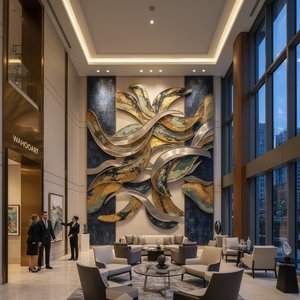 Elevating Hospitality Aesthetics: Custom Art Solutions for Hotels from
Elevate your hotel's aesthetic with ’s custom art solutions. Expert consultation, bespoke designs & high-quality reproductions for luxury hospitality spaces. Discover how strategic art enhances guest experience & brand identity.
The foundation of any impactful art program is a meticulously crafted conceptual brief. This document serves as the guiding star, outlining not just *what* kind of art is desired but, more importantly, *why*. It begins with an in-depth analysis of the hotel’s target audience—their demographics, psychographics, and aesthetic preferences. Are you catering to sophisticated business travelers seeking understated elegance? Or perhaps a younger, more adventurous clientele drawn to bold contemporary expressions? Understanding these nuances is crucial. The brief must also articulate the hotel's core values: sustainability, innovation, luxury, local heritage – each value should be translated into artistic themes and styles.
Beyond demographics, consider the architectural style of the hotel itself. A sleek, modern building calls for a different aesthetic than a historic Victorian property. The surrounding landscape also plays a role—incorporating elements that reflect the region’s natural beauty or cultural traditions can create a sense of place. Color palettes are equally important; selecting hues that complement the interior design and evoke specific emotions is paramount. A mood board, rich with imagery and textures, can serve as a powerful visual tool for communicating the desired aesthetic to artists and stakeholders. The conceptual brief isn’t merely a list of requirements; it's a declaration of artistic intent—a roadmap for creating an environment that resonates deeply with guests.
Sourcing & Commissioning Artwork: Navigating Artists, Reproduction Quality & Budget Considerations
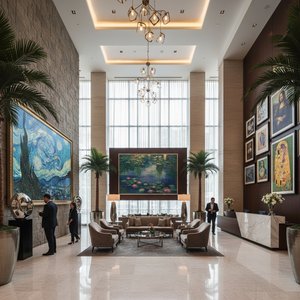 Elevating Hospitality Aesthetics: A Guide to Selecting Reproductions of Famous Artworks for Hotel Lobbies
Elevate your hotel's ambiance with expertly curated art reproductions. Discover how to select artwork that reflects your brand, enhances the guest experience & creates lasting impressions. Trusted by designers worldwide.
Once the conceptual framework is established, the sourcing process begins. While readily available reproductions offer convenience and affordability, they often lack the originality and impact of custom artwork or carefully selected pieces from emerging artists. Commissioning art allows for unparalleled control over subject matter, style, and scale—creating unique works that perfectly complement the hotel’s aesthetic. However, this approach requires careful artist selection. Seek out individuals whose work aligns with the hotel's brand identity and possesses a compelling narrative.
Thorough research is essential: reviewing portfolios, attending gallery exhibitions, and conducting interviews to assess an artist’s suitability for the project. Consider their experience with large-scale commissions, ability to meet deadlines, and willingness to collaborate. If opting for reproductions, prioritize quality over cost—avoiding mass-produced prints that lack detail and authenticity. Hand-painted reproductions created by skilled artists offer a superior aesthetic and a sense of craftsmanship. Budget considerations are inevitable; establishing realistic financial parameters early in the process is crucial. Explore opportunities to collaborate with local art schools or emerging talents—potentially securing discounted rates in exchange for exposure. Value engineering – identifying areas where costs can be reduced without sacrificing artistic quality – is key.
Spatial Harmony & Impact: Strategic Placement and Lighting for Maximum Guest Engagement
The placement of artwork within a hotel space is as critical as the artwork itself. A stunning painting relegated to a dimly lit corner will fail to capture its full impact, while a thoughtfully positioned sculpture can transform an entire lobby. Consider the flow of traffic, sightlines, and lighting when determining artwork placement. Large-scale pieces are ideal for creating focal points in high-traffic areas—lobbies, corridors, and restaurants—drawing attention and establishing a sense of grandeur. Guest rooms benefit from smaller, more intimate works that evoke calmness and relaxation.
Pay attention to the height of the artwork—ensuring it’s at eye level for optimal viewing. Grouping artworks thematically or by color palette can create cohesive displays, while strategically placed lighting enhances visual impact. Consider using spotlights to highlight key features or ambient lighting to create a warm and inviting atmosphere. The goal is to create a seamless integration between art and architecture—a harmonious environment that engages guests on an emotional level. Avoid cluttered arrangements or awkward angles; simplicity and balance are often the most effective strategies.
Art as an Investment: Long-Term Value, Maintenance & Collection Management Strategies
While often viewed as a purely aesthetic expense, art can also represent a valuable investment for hotels. Original artwork and high-quality reproductions appreciate in value over time—potentially offsetting initial costs and enhancing the hotel’s overall asset portfolio. However, realizing this potential requires careful collection management and proactive maintenance.
Regular cleaning is essential—using gentle, non-abrasive cleaners to remove dust and debris. Protect artwork from direct sunlight—which can cause fading and discoloration. Control humidity levels—avoiding extreme fluctuations that can damage canvases or frames. Secure artwork properly—ensuring it’s firmly mounted and protected from accidental impact. Establish a system for tracking artwork inventory—including details such as artist, title, dimensions, and purchase date. Regular inspections can help identify potential issues—such as loose frames or damaged canvases—allowing for timely repairs. Consider professional appraisal services to assess the value of your collection periodically.
Case Study: Transforming a Boutique Hotel with a Bespoke Art Package – From Concept to Completion
The renovation of The Azure Coast Hotel, a boutique establishment overlooking the Mediterranean Sea, presented a unique opportunity to redefine its brand identity through art. Initially perceived as a charming but unremarkable property, The Azure Coast sought to attract a more discerning clientele—sophisticated travelers seeking authentic experiences and understated luxury. The conceptual brief centered on themes of coastal serenity, local heritage, and artistic expression.
After extensive research, the design team commissioned three local artists—a painter specializing in seascapes, a sculptor working with reclaimed driftwood, and a photographer documenting the region’s hidden gems. The resulting artwork was seamlessly integrated into the hotel's interior design—large-scale paintings adorned the lobby walls, sculptures graced the outdoor terraces, and photographs lined the corridors. The impact was immediate: guest feedback soared, occupancy rates increased, and The Azure Coast established itself as a destination for art lovers and discerning travelers alike. This case study demonstrates that a thoughtfully curated art package isn’t merely an aesthetic upgrade; it's a strategic investment in brand identity and long-term success.