The Poetics of Stillness: An Introduction to the Lake Landscape Genre
There exists a profound, almost spiritual resonance in the depiction of still waters—a quietude that transcends the mere recording of nature to touch upon the very essence of peace. The lake landscape, as a genre, has long served as a sanctuary for the artist and the observer alike. Unlike the turbulent drama of the ocean or the rugged unpredictability of mountain ranges, the lake offers a mirror; it is a surface of profound introspection. To gaze upon a masterfully rendered lake scene is to engage in a silent dialogue with the concept of permanence amidst change. These works do not merely present a view; they curate an emotional state, inviting the viewer to pause, breathe, and find a rhythmic stillness that is increasingly rare in our modern, frenetic existence.
Throughout history, the lake has been utilized by masters to explore themes of reflection, both literal and metaphorical. The water acts as a bridge between the sky and the earth, blurring the boundaries between the celestial and the terrestrial. In these compositions, the stillness of the water becomes a canvas for the soul, where every ripple tells a story of passing time and every reflection offers a glimpse into a deeper, more tranquil reality. It is this poetic quality—this ability to capture the intangible breath of nature—that elevates the lake landscape from simple scenery to a profound medium of artistic expression.
Luminism and Light: Capturing Reflections on Water's Surface
To understand the true magic of water scenes, one must look toward the movement known as Luminism, where the mastery of light becomes the primary protagonist. In these works, the artist’s brush does not merely depict water; it orchestrates light. The goal is to achieve a seamless, almost invisible brushwork that allows the glow of the sun or the soft luminescence of twilight to appear as if emanating from within the canvas itself. This technique creates an atmosphere of profound clarity and warmth, where the surface of the lake becomes a liquid prism, catching the subtle gradients of a setting sun or the pale, silvered light of a misty morning.
The technical brilliance required for such luminosity is immense. It involves a delicate layering of glazes to build depth, ensuring that the light seems to penetrate the water rather than simply sitting upon it. When executed with precision, the reflection of a cloud or a distant shoreline on the water’s surface possesses a weightless quality, a shimmering translucency that evokes a sense of awe. This interplay of light and liquid creates a sensory experience so potent that the viewer can almost feel the coolness of the air and the gentle warmth of the sun-drenched ripples, making the painting a living, breathing window into a moment of eternal radiance.
Romantic Solitude: The Emotional Depth of Monochromatic Waterscapes
While light brings life, there is an equal, haunting power found in the shadows of more somber, monochromatic landscapes. Within the tradition of Romanticism, artists have often turned to the lake as a symbol of solitude and the sublime. In these compositions, the palette is stripped of vibrant color, replaced by a sophisticated range of sepia, charcoal, and deep umber tones. This reduction serves to heighten the emotional gravity of the scene, focusing the viewer's attention on texture, form, and the evocative power of atmosphere. A single dead tree reflected in a dark, stagnant pond becomes more than just a botanical element; it becomes a memento mori, a poignant reminder of the cycles of life and decay.
The use of impasto—thick, textured applications of paint—can add a tactile dimension to these darker scenes, allowing the physical presence of the artist's hand to mirror the ruggedness of the landscape. In such works, the water does not reflect light so much as it absorbs the weight of the surrounding world. There is a captivating melancholy in these solitary vistas; they speak to the human condition of introspection and the beauty found in isolation. By stripping away the distraction of color, the artist invites us to confront the raw, elemental truth of the landscape, finding a strange, comforting beauty in the shadows and the stillness of the deep.
Impressionistic Ripples: Atmospheric Detail and the Coastal Canal
In contrast to the heavy emotion of Romanticism or the ethereal glow of Luminism, Impressionism approaches the water with a sense of movement and immediacy. Here, the lake is not a static mirror but a dynamic participant in the environment. The brushwork becomes more visible, more energetic, capturing the fleeting impressions of light as it dances across moving ripples. In coastal canal scenes or lakeside vistas, the artist utilizes short, broken strokes to suggest the vibration of the air and the gentle agitation of the water's surface. This technique prioritizes the sensation of a moment over the precise anatomical detail of the landscape.
The beauty of this approach lies in its ability to evoke atmosphere through color interaction. A single stroke of cerulean might be placed next to a dab of pale gold to suggest the shimmering effect of sunlight hitting a small wave. This creates a visual vibration that mimics the way the human eye perceives motion. The focus shifts from the object itself to the light and air surrounding it, turning the water into a tapestry of color and movement. It is an exuberant celebration of the ephemeral, reminding us that even in the most transient ripple, there is a profound and captivating artistry to be found.
Curating Serenity: Integrating Masterpiece Landscapes into Modern Interiors
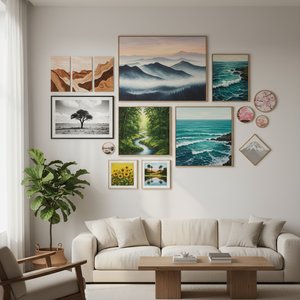
Bringing these timeless scenes into a contemporary living space requires a thoughtful approach to curation. A large-scale landscape, particularly one utilizing a multi-panel or "triptych" layout, can serve as a powerful architectural element, anchoring a room with its sense of depth and scale. For the sophisticated collector, the challenge lies in balancing the historical weight of a masterpiece reproduction with the clean lines of modern design. A well-placed lake scene can act as a focal point that softens the edges of minimalist decor, introducing organic textures and a calming color palette that promotes psychological well-being.
When selecting art for an interior, consider the interplay of light within your own home. A Luminist painting may require soft, indirect lighting to truly reveal its inner glow, while a more textured, impasto-heavy Romantic work benefits from directional light that casts subtle shadows across the brushstrokes. Whether through a grand mural-style canvas or a carefully framed individual piece, these works of art do more than decorate a wall; they transform an environment into a curated sanctuary, offering a window to a world of eternal peace and artistic excellence.
The Art of Preservation: Bringing Timeless Water Scenes into Your Collection
Acquiring a fine art reproduction is an investment in both aesthetic beauty and cultural heritage. To ensure that the vibrancy of these water scenes remains undiminished for generations, one must respect the chemistry of the medium. True oil paintings, executed on high-quality cotton canvas with professional-grade pigments and protective varnishes like Damar, are designed for longevity. However, the preservation of such treasures requires care—avoiding direct, harsh sunlight that can fade delicate glazes and ensuring that the artwork is housed in a stable environment to prevent the expansion or contraction of the canvas.
For those looking to begin their journey into art collecting, the possibilities are vast. From the ability to customize a landscape to match a specific color palette to the excitement of commissioning a "remix" of a historical favorite, the modern collector has unprecedented access to excellence. By choosing hand-painted reproductions that honor the techniques of the Old Masters, you are not merely buying a painting; you are preserving a legacy of human creativity, ensuring that the serene magic of the lake continues to inspire and tranquilize hearts for decades to come.
At OriginalUniqueArt.com, we are dedicated to making this level of fine art accessible to collectors worldwide. Our mission is to bridge the gap between the museum and the home, providing meticulously hand-painted oil reproductions that capture the soul of history's greatest landscapes. Whether you seek the light-drenched beauty of an Impressionist canal or the profound solitude of a Romantic pond, our master artists bring every brushstroke to life with unparalleled passion and precision.