The Canvas of Catharsis: Art as a Vessel for Emotional Release
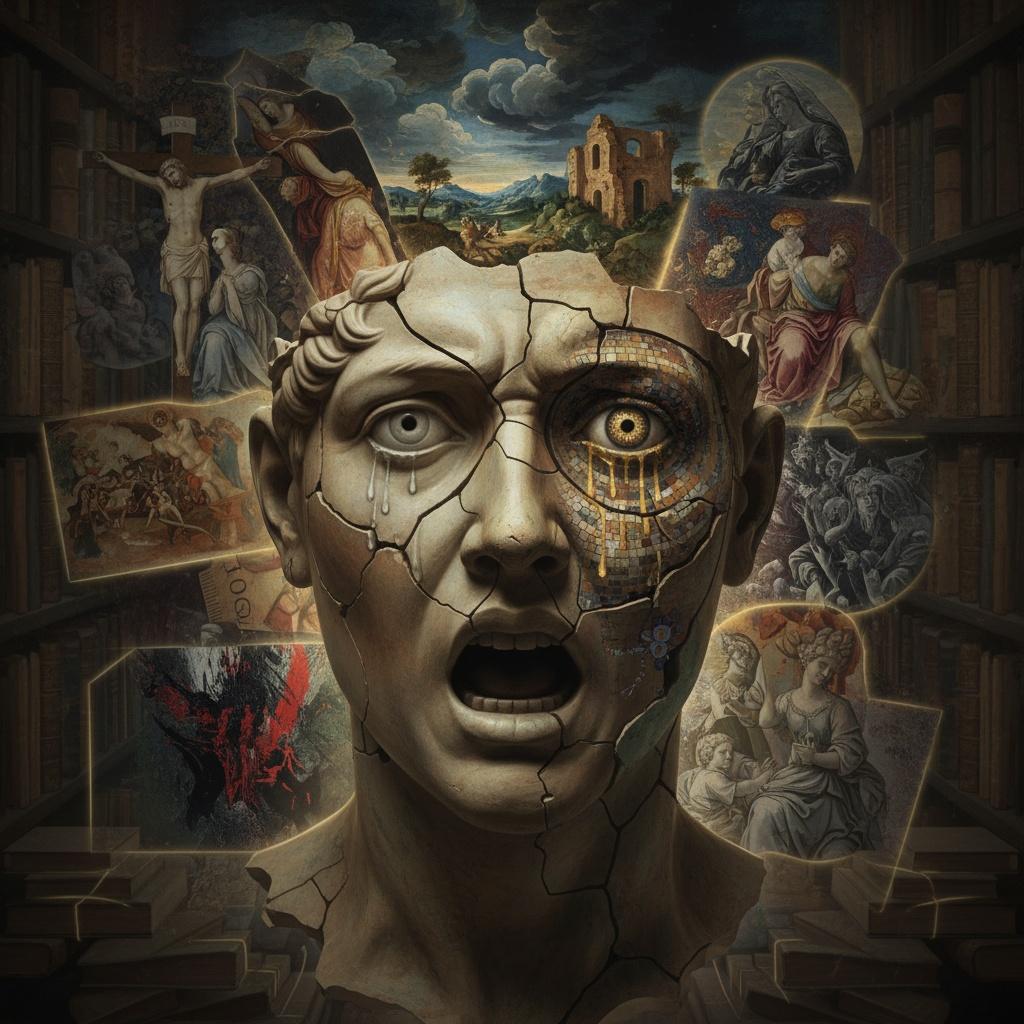
To gaze upon a masterpiece is often to encounter a mirror of the human condition, reflecting not just our triumphs, but our most profound vulnerabilities. Throughout history, art has served as more than mere decoration; it has functioned as a sacred vessel for catharsis, allowing the artist to externalize internal fractures that words often fail to capture. When trauma strikes, the psyche undergoes a fragmentation, and the canvas becomes the site where these broken pieces are gathered and reassembled. This process of emotional release is not merely about documenting pain, but about transforming it into something enduring and visible.
The act of creation acts as a bridge between the silent suffering of the individual and the shared experience of humanity. Through the deliberate application of pigment or the decisive stroke of a pen, an artist can transmute raw, unmediated agony into a structured aesthetic experience. This transformation does not diminish the trauma; rather, it honors its weight by giving it form. In this way, the history of art is inextricably linked to the history of human resilience, as every heavy brushstroke and somber hue serves as a testament to the capacity to endure and to find meaning amidst the wreckage of experience.
Visceral Lines and Raw Emotion: The Power of Expressive Ink and Sketch
While grand oil paintings command our attention with their scale and texture, there is an unparalleled intimacy found in the skeletal beauty of ink and sketch. In these more spontaneous mediums, the artist’s hand moves with a frantic or heavy energy that mirrors the heartbeat of distress. Consider the profound emotional depth found in works such as Marc Chagall’s Tchitchikov's father educates him. In this black and white ink drawing, we witness the power of raw, expressive lines to convey a sense of gravity and ancestral weight. The lack of color strips away the distractions of the physical world, leaving only the essential, evocative architecture of emotion.
The economy of line in sketching allows for a directness that is often lost in more layered compositions. There is no place for the artist to hide within a sketch; every tremor of the hand and every blot of ink becomes a signature of the artist's psychological state. This medium captures the immediacy of a moment—a sudden intake of breath, a flinch, or a heavy sigh. By focusing on the stark contrast between light and shadow, these works tap into the primal elements of human feeling, proving that even the simplest mark on paper can resonate with the complexity of a wounded soul.
A Study of Human Suffering: From Dismay to Fury in Masterful Portraits
The human face remains the most potent landscape for exploring the spectrum of trauma. A masterfully executed portrait does not merely record features; it maps the topography of experience. The legendary Japanese artist Katsushika Hokusai demonstrated an extraordinary ability to capture this through his Sketch of Four Faces. In this meticulous exploration, we see a range of human expressions—dignified contentment juxtaposed against the sharp edges of dismay, glee, and fury. Each face serves as a window into a specific psychological state, illustrating how trauma can manifest as anything from a quiet, hollowed-out despair to an explosive, righteous rage.
In these studies, we observe how the eyes and the tension in the mouth communicate what the subject cannot say aloud. The artistry lies in the subtle nuances: the slight furrow of a brow or the tightening of a jawline. When we study these portraits, we are participating in a profound empathetic exercise. We recognize our own moments of fury and our own periods of dismay reflected in the ink. These works remind us that while trauma is deeply personal, the expressions of its impact are universal, binding the viewer to the subject through a shared recognition of our capacity for intense, often overwhelming, emotion.
The Weight of History: Capturing Collective Trauma through Dramatic Composition
Beyond the individual, art possesses the unique ability to document the collective trauma of entire civilizations. Through dramatic composition and historical scene-setting, artists have captured the echoes of wars, persecutions, and societal collapses. The Apostles group by Titian (as seen in Ramsay Peale II’s evocative ink rendition) exemplifies how movement and intense grouping can create a sense of monumental tension. In such works, the arrangement of figures is never accidental; it is a choreographed expression of chaos, unity, or loss. The interplay of light and shadow—chiaroscuro—is used to highlight the gravity of historical shifts, casting much of the past into a mysterious, often tragic, silhouette.
These large-scale compositions demand that the viewer confront the scale of human tragedy. By placing figures in states of intense movement or profound stillness, artists evoke the collective breath held by a nation in crisis. The weight of history is felt in the density of the composition, where every figure contributes to a larger narrative of struggle and survival. These works serve as historical anchors, ensuring that the lessons learned through collective suffering are etched into our cultural memory, preventing the erasure of those who endured the darkest chapters of our shared timeline.
Transcending the Pain: The Role of Art in Healing and Resilience
Ultimately, the study of traumatic art leads us to a place of profound hope. While much of this discourse focuses on the depiction of pain, the very existence of these artworks is an act of transcendence. To create art from trauma is to assert that the experience does not have the final word. The finished piece—whether it be a textured oil painting with thick, impasto layers or a delicate Giclée print—stands as a monument to survival. It is the evidence of a spirit that has processed the unprocessable and emerged with something beautiful, even if that beauty is tinged with melancholy.
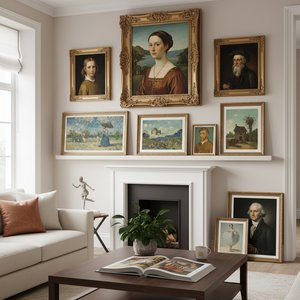
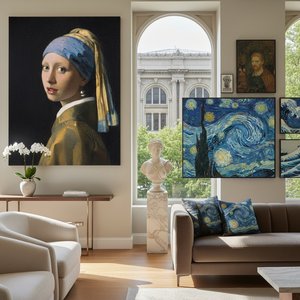
Art provides a framework for resilience, offering a way to integrate traumatic memories into a coherent life story. As collectors and enthusiasts, when we bring these powerful works into our homes, we are not merely decorating walls; we are curating a space for reflection and strength. We invite the dialogue between the past and the present, allowing the echoes of the soul to inspire a deeper understanding of our own capacity to heal. In the enduring legacy of the masters, we find the ultimate truth: that even in the deepest shadows, the human impulse toward creation remains an unquenchable light.