The Essence of Baroque: A Revolution of Emotion and Movement
To step into the world of the Baroque is to abandon the static serenity of the Renaissance for a realm of profound, unbridled energy. Where previous eras sought balance, symmetry, and a quieted intellect, the Baroque period emerged as a visceral rebellion, prioritizing the heart over the mind and motion over stillness. This was an era defined by a revolutionary approach to storytelling, where the canvas ceased to be a mere window and became a stage for the unfolding of human drama. The movement breathed life into history, transforming theological narratives and mythological legends into lived experiences that pulse with the rhythm of life itself.
This revolution was not merely stylistic but deeply psychological. Artists sought to bridge the gap between the divine and the mortal by capturing the very moment of transition—the breath before a strike, the gasp of realization, or the heavy descent of grief. By breaking the boundaries of the frame and inviting the viewer into the swirling compositions, Baroque masters created an immersive environment that demanded emotional engagement. It is this relentless pursuit of dynamism that continues to capturing the imagination of the modern connoisseur, offering a timeless connection to the raw intensity of human existence.
Chiaroscuro and Tenebrism: The Architecture of Light and Shadow
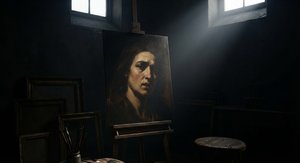
If movement provides the heartbeat of Baroque art, then light provides its soul. The period is perhaps most famously defined by the sophisticated manipulation of chiaroscuro—the dramatic interplay between light and dark. This technique does more than simply illuminate a subject; it sculpts form out of the void. By using stark contrasts, artists were able to create a sense of three-dimensional volume that feels almost tangible, pulling figures forward from the darkness into the viewer's immediate space.
Taking this concept to its most extreme and theatrical conclusion is tenebrism, a style where the shadows become an active, dominant force within the composition. In the hands of masters such as Caravaggio, the darkness is not merely an absence of light but a heavy, atmospheric presence that swallows the periphery, forcing the eye to focus solely on the illuminated protagonists. This selective lighting serves a profound symbolic purpose, often representing divine revelation piercing through worldly obscurity. Through this masterful use of shadow, the Baroque artist crafts a visual language of mystery and revelation, where every highlight tells a story of significance and every shadow holds a secret.
Theatrical Compositions: Capturing the Peak of Dramatic Tension
The Baroque canvas functions much like a grand theatrical stage, meticulously arranged to capture the climax of an event. Unlike the balanced, closed compositions of earlier centuries, Baroque works often utilize diagonal lines and asymmetrical arrangements to suggest movement that extends far beyond the edges of the painting. This sense of "unbounded" composition creates a feeling of instability and urgency, as if the viewer has stumbled upon a fleeting moment in time that is about to vanish.
Every element within these compositions—the twist of a torso, the frantic gesture of a hand, or the billowing of heavy drapery—is orchestrated to heighten tension. Consider the way figures are often arranged in spiraling patterns, known as figura serpentinata, which leads the eye on a restless journey across the work. This deliberate orchestration ensures that the viewer's gaze is never at rest, mirroring the internal turbulence of the characters depicted. It is through this calculated theatricality that the Baroque era achieved its unparalleled ability to evoke awe and suspense, making the painted moment feel as urgent as a live performance.
Mastering Realism: The Tactile Depth of Flesh and Fabric
To sustain such intense drama, the Baroque masters understood that their subjects must possess an undeniable physical presence. This necessitated a leap toward a profound, often startling realism. There was no room for idealized, porcelain-like perfection; instead, artists embraced the textures of reality. They captured the weathered skin of saints, the sweat on a brow, and the intricate, heavy folds of velvet and silk with an almost scientific precision. This tactile quality invites the viewer to reach out and touch the canvas, sensing the weight of the fabric and the warmth of the flesh.
This commitment to realism extended to the depiction of the mundane as much as the magnificent. By rendering light reflecting off a glass of water or the gritty texture of a peasant's cloak with equal devotion, artists grounded their grand narratives in a recognizable world. This marriage of high drama and gritty detail creates a powerful sense of empathy. When we see the physical struggle rendered with such anatomical accuracy, the emotional weight of the scene becomes much harder to ignore, transforming historical or religious icons into relatable human beings caught in the throes of passion and pain.
Baroque Legacy: Influencing Modern Perspectives on Grandeur
The echoes of the Baroque era continue to resonate through the corridors of art history, informing how we perceive grandeur and emotion in the modern age. The movement's emphasis on the visceral and the spectacular laid the groundwork for much of the dramatic expression found in later centuries, from the Romanticism of the 19th century to the cinematic lighting techniques used in contemporary film. The Baroque taught us that art could be more than a decorative object; it could be an immersive experience that challenges our perceptions and stirs our deepest sensibilities.
Today, as we look back upon these masterpieces, we find that their power has not diminished with time. In an era of digital perfection, the visible brushstrokes and the heavy, textured layers of oil paint remind us of the human hand at work. The Baroque legacy lives on in our appreciation for the profound, the dramatic, and the beautifully imperfect. It remains a testament to the enduring strength of art that can capture the fleeting essence of motion and freeze it forever in a state of eternal, breathtaking tension.
At OriginalUniqueArt.com, we celebrate this enduring legacy by bringing the majesty of the Old Masters into the modern home. Our studio specializes in creating exquisite, hand-painted oil reproductions that honor the technical brilliance and emotional depth of the Baroque era. From the dramatic tenebrism of Caravaggio to the intricate textures of the great masters, our artists use traditional techniques—applying multiple layers of pigment on heavy-duty cotton canvas—to ensure every reproduction possesses the tactile soul of an original masterpiece. Whether you seek a museum-quality Giclée print or a bespoke, large-scale oil commission, OriginalUniqueArt is dedicated to preserving the grandeur of art history for collectors worldwide.