The Art of the Border: Why Framing is Essential to Visual Narrative
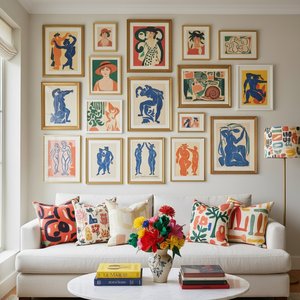
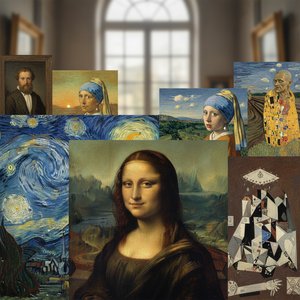
To the discerning collector, a painting is never merely a surface of pigment and oil; it is a window into another dimension, a carefully constructed reality that demands a proper threshold. The frame serves as this vital threshold, acting as the silent conductor that directs the eye from the chaos of the surrounding room toward the focused intention of the masterpiece. When we consider the profound depth of a hand-painted reproduction—where layers of glaze and impasto create a three-dimensional topography—the border becomes more than a decorative edge; it is an architectural necessity. A well-chosen frame provides the psychological cue that tells the viewer they are entering a sacred space, separating the mundane from the sublime. Without this intentional boundary, even the most breathtaking work by Van Gogh or Monet risks losing its gravity, bleeding into the background of a room rather than commanding it.
The history of art is, in many ways, a history of the frame. Throughout the centuries, the border has evolved from a simple protective barrier into a sophisticated tool of composition. It can compress a scene to increase intimacy or expand a landscape to evoke grandeur. By establishing a definitive perimeter, the frame anchors the artwork within the physical environment, allowing the light to catch the ridges of the paint and the shadows to settle into the textures of the canvas. In this sense, the frame is an extension of the artist's hand, a final stroke that completes the visual narrative and prepares the soul for the encounter with beauty.
Curating the Frame: Matching Styles from Baroque Opulence to Modern Minimalism
The true mastery of art presentation lies in the delicate balance between the subject matter and its enclosure. For those who find themselves drawn to the dramatic chiaroscuro of the Old Masters, a frame must possess enough character to support such intensity. Imagine a heavy, ornate Baroque frame, perhaps finished in aged gold leaf, surrounding a portrait in the style of Rembrandt. The weight of the wood and the complexity of the carvings mirror the profound shadows and luminous highlights of the painting, creating a cohesive sense of historical prestige. In such instances, the frame does not compete with the art; it echoes its soul.
Conversely, the contemporary collector often seeks a dialogue between classical imagery and modern sensibilities. A minimalist approach—utilizing clean lines and understated profiles—can breathe new life into an Impressionist landscape, stripping away the perceived heaviness of the past to reveal the light-drenched essence of Monet’s brushwork. This stylistic tension is where true curation happens. Whether you are choosing a sleek, dark espresso finish to ground a vibrant abstract or a natural wood tone to complement a soft watercolor, the goal remains the same: to create a seamless transition between the artwork's internal logic and the room's aesthetic identity. It is an exercise in visual harmony, ensuring that the frame serves as a bridge rather than a barrier.
Materiality and Depth: The Impact of Solid Wood, Gold Leaf, and Custom Finishes
The tactile quality of a frame is just as significant as its visual profile. At OriginalUniqueArt, we believe that true luxury resides in the authenticity of materials. We eschew the hollow imitation of polystyrene or plastic, opting instead for the enduring strength of solid wood. There is an unmistakable sensory experience when encountering a heavy, wooden frame; it possesses a physical presence that commands respect. Finishes such as silver leaf, deep ebony, or natural grain offer a spectrum of emotional responses. A gold-leafed frame radiates warmth and sunlight, making it an ideal companion for works featuring rich, warm palettes, while a silver or metallic finish can lend a cool, ethereal quality to maritime scenes or wintry landscapes.
Beyond the surface, the depth of the frame—the distance between the glass and the canvas—plays a crucial role in how light interacts with the painting. A deeper profile allows for more dramatic shadows within the frame itself, adding a layer of sculptural complexity to the presentation. When we combine these premium materials with the meticulous craftsmanship of our artists, the result is an object of profound permanence. The weight of the wood, the luster of the leaf, and the texture of the finish all work in concert to elevate the painting from a mere image to a monumental centerpiece.
Engineering Longevity: Structural Integrity and Preservation in Professional Framing
For the serious collector, beauty is inseparable from durability. A masterpiece is an investment intended to span generations, and its presentation must be engineered to withstand the passage of time. True professional framing involves much more than aesthetic choices; it requires a deep understanding of the science of preservation. This includes the use of heavy-duty stretcher bars with cross-bracing to prevent the warping of large canvases due to fluctuations in humidity. It also necessitates the careful management of the micro-environment within the frame itself.
One of the most critical, yet often overlooked, aspects of preservation is the creation of an air gap. We advise that a print or painting should never touch the glass directly; instead, the use of a mat creates a vital buffer that prevents moisture from being trapped against the surface, which could otherwise lead to mold or degradation. Furthermore, our commitment to quality extends to the very chemistry of the materials used. From using acid-free components to ensuring that the canvas is primed with traditional gesso to prevent cracking, every element of our framing process is designed to protect the integrity of the pigments and the stability of the substrate. To frame art is to safeguard history.
Beyond the Edge: Exploring Canvas Wraps, Triptychs, and Architectural Integration
In the modern era, the definition of a "frame" continues to expand, offering innovative ways to integrate art into contemporary architecture. For those who prefer a more fluid, unobstructed view, the concept of the canvas wrap offers a breathtaking alternative. In a MirrorWrap, the edges of the image are seamlessly reflected onto the sides of the canvas, creating a continuous, three-dimensional effect that feels as though the painting is floating within the space. Alternatively, an ExtendedWrap allows the artist's brushstrokes to continue around the periphery, blurring the line between the artwork and its surroundings.
For larger architectural projects, we move beyond the single panel into the realm of the polyptych. The ability to deconstruct a single masterpiece across three, four, or even five panels—creating Triptychs or complex staggered layouts—allows art to follow the dynamic lines of a staircase or wrap around the corners of a grand foyer. This approach transforms the artwork into an architectural element, much like a fresco or a mural. Whether it is a large-scale installation for a hotel ballroom or a bespoke group set for a private residence, the ultimate goal of modern framing is to dissolve the boundaries between the art and the space it inhabits, creating an immersive environment where every surface tells a story.