The Curated Canvas: Establishing Brand Narrative Through Fine Art
In the competitive landscape of haute cuisine, a restaurant’s identity is forged long before the first course arrives at the table. While the precision of a chef’s knife and the complexity of a reduction define the palate, it is the visual narrative that captures the soul. A truly exceptional dining establishment does not merely serve food; it curates an experience. This curation begins with the walls themselves. When a restaurateur selects fine art to anchor their space, they are not simply decorating; they and are composing a silent dialogue between the culinary concept and the guest’s subconscious. An intentional choice of art acts as a visual manifesto, communicating values of heritage, innovation, or avant-garde rebellion through every brushstroke.
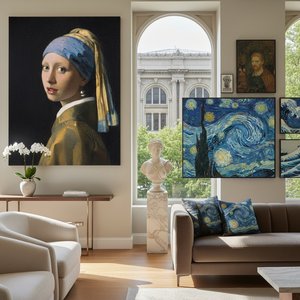
Consider how a carefully selected reproduction can bridge the gap between a modern menu and historical prestige. By integrating works that evoke the grandeur of the Old Masters or the vibrant energy of Post-Impressionism, a restaurant establishes an immediate sense of authority and permanence. This visual storytelling provides a cohesive thread that binds the tactile elements of the room—the linens, the lighting, the weight of the silverware—into a singular, unforgettable brand narrative. The art becomes the silent sommelier, setting the stage for the sensory journey to follow.
Atmospheric Alchemy: How Masterpieces Influence Diner Perception and Mood
The psychology of dining is deeply rooted in atmosphere, an intangible quality often referred to as ambiance. This atmosphere is a delicate alchemy of light, sound, and sight. Fine art plays a pivotal role in this chemical reaction, acting as a catalyst for emotional shifts. A room adorned with the soft, light-drenched landscapes of Monet can induce a state of tranquil contemplation, perfect for an intimate afternoon tea or a refined brunch. Conversely, the bold, emotive textures found in Van Gogh’s interiors can inject a sense of vibrant life and kinetic energy into a bustling bistro, stimulating conversation and appetite.
The impact of art on perception extends to how guests perceive the quality of the service and the cuisine. There is an inherent psychological association between museum-quality aesthetics and culinary excellence. When a diner finds themselves surrounded by works that command respect—pieces that possess visible brushstrokes, deep tonal ranges, and the physical depth of oil on canvas—their expectations for the meal are elevated. The art creates a "halo effect," where the perceived value of the environment spills over into the perceived value of the plate, transforming a standard meal into a prestigious event.
From Impressionism to Modernity: Selecting Styles for Specific Culinary Concepts
Choosing an artistic direction requires a sophisticated understanding of stylistic synergy. A restaurant’s culinary concept must be mirrored in its aesthetic choices to avoid a disjointed experience. For instance, a classic French brasserie might find its soulmate in the structured elegance of Art Nouveau or the precise, geometric lines found in early 20th-century Hungarian design. Such styles provide a sense of architectural sophistication and historical weight that complements traditional techniques.
In contrast, a contemporary fusion restaurant may thrive under the influence of more radical movements. The fragmented perspectives of Cubism or the dreamlike distortions of Surrealism can mirror the experimental nature of a modern menu. Even the ability to "remix" history offers profound opportunities; one might commission a portrait in the thick, impasto style of Van Gogh to bring a sense of raw, tactile passion to a rustic, farm-to-table concept. The goal is to ensure that the art does not compete with the food but rather provides the essential context in which the flavors can truly shine.
Architectural Integration: Large-Scale Murals, Multi-Panel Sets, and Spatial Flow
Art within a professional dining space must be treated as an architectural element rather than an afterthought. The scale of the artwork must respect the proportions of the room to maintain a balanced spatial flow. For expansive dining halls or grand hotel lobbies, single-panel paintings may feel lost; here, the multi-panel trend offers a sophisticated solution. Splitting a singular masterpiece across three, four, or five panels creates a rhythmic, modern aesthetic that guides the eye across wide walls and staircases, effectively defining different zones within an open floor plan.
For even more ambitious designs, large-format murals and ceiling frescoes can redefine the very boundaries of a room. Much like the historical grandeur of the Sistine Chapel, custom-painted murals on massive canvas rolls allow restaurateurs to recreate historical splendor or introduce breathtaking landscapes that expand the perceived limits of their architecture. Whether it is an extended wrap that continues the painting around the edges of a frame for a seamless look, or a grand fresco that draws the gaze upward, the integration of art into the structural fabric of the restaurant ensures a cohesive and immersive environment.
The Investment of Elegance: Enhancing Property Value with Authentic Reproductions
For the discerning restaurant owner, art should be viewed through the lens of long-term investment. While much of the focus is on immediate atmosphere, the acquisition of high-quality, hand-painted reproductions contributes to the enduring prestige of the establishment. Unlike mass-produced prints or digital posters—which often lack the "soul" and tactile depth of real paint—authentic oil reproductions on cotton canvas offer a lasting legacy. The physical presence of texture, the play of light on varnish, and the richness of pigment ensure that the artwork ages with grace, much like a fine wine.
Furthermore, the use of professional-grade materials, such as flexible gesso to prevent cracking and specialized oils to prevent yellowing, ensures that these pieces remain vibrant for generations. This commitment to quality not only enhances the aesthetic experience but also protects the capital investment. As the restaurant grows in reputation, its collection of fine art becomes a part of its institutional heritage, contributing to the overall value of the property and the brand's standing within the global luxury market.
Beyond Decor: Creating a Lasting Legacy Through Bespoke Art Commissions
The pinnacle of restaurant identity is achieved when an establishment moves beyond curation into true creation. Bespoke commissions allow a restaurateur to manifest a vision that is entirely unique to their brand. This might involve the "Period Shift" technique, where a modern photograph or a significant moment in the restaurant's history is reimagined as a 17th-century masterpiece in the style of Rembrandt. Such works become conversation pieces, providing guests with a unique point of connection to the restaurant’s personal story.
Custom commissions also allow for unparalleled control over color palettes and thematic elements, ensuring that every piece of art is perfectly synchronized with the interior design. Whether it is a group portrait celebrating the founding team or a landscape that reflects the origin of the restaurant's signature ingredients, these personalized works transform a dining room into a gallery of memories. In doing so, the restaurant transcends the role of a service provider and becomes a custodian of culture, leaving a lasting impression on every guest who walks through its doors.
At OriginalUniqueArt.com, we specialize in making this level of fine art accessible to the world's most ambitious professionals. From hand-painted oil reproductions that capture the essence of the Old Masters to bespoke commissions that reimagine your unique story, our mission is to provide the tools for creating extraordinary spaces. With a global legacy of excellence and a commitment to academic-level craftsmanship, we help restaurateurs and collectors alike turn their visions into enduring masterpieces.