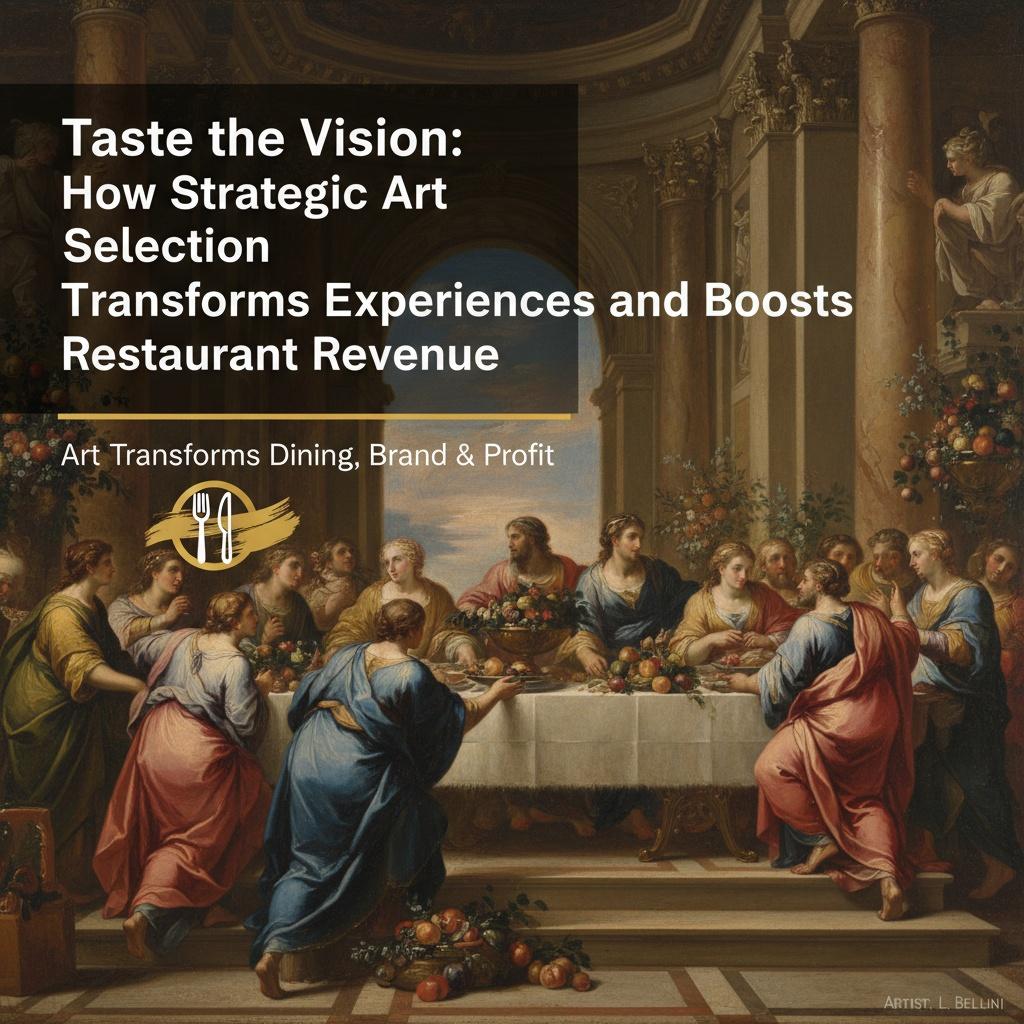
The Psychology of Space: How Visual Narratives Influence Diner Behavior
A restaurant is far more than a venue for sustenance; it is a stage where sensory experiences converge to create lasting memories. When a guest enters a dining establishment, their subconscious begins an immediate, silent dialogue with the environment. This psychological engagement is profoundly shaped by the visual narratives presented on the walls. A carefully curated selection of art does not merely occupy space; it directs the emotional temperature of the room. Through the strategic use of color, texture, and subject matter, an owner can subtly influence the tempo of a meal, encouraging the slow, contemplative enjoyment of a fine vintage or the vibrant, energetic pulse of a high-turnover bistro.
Consider the profound impact of light and shadow captured in a masterpiece. The presence of a work that utilizes deep, evocative tones can instill a sense of intimacy and privacy, making a crowded dining room feel like an exclusive sanctuary. Conversely, bright, impressionistic strokes can stimulate appetite and conversation, fostering a communal atmosphere. By understanding these psychological triggers, a restaurateur moves beyond simple decoration into the realm of environmental orchestration, using art to guide the guest's mood from the first sip of an aperitif to the final notes of dessert.
Curating the Atmosphere: Aligning Art Styles with Culinary Identity
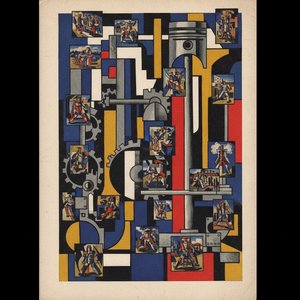
The most successful dining destinations possess a cohesive identity where every element—from the menu's typography to the weight of the silverware—tells a singular story. The art selection must serve as the visual anchor for this culinary narrative. A modern, minimalist fusion restaurant may find its soul in the clean lines of contemporary abstraction or the structured geometry of Cubism. In contrast, a traditional steakhouse or an old-world trattoria gains immense character from the rich, textured impasto of Post-Impressionist works, such as those seen in Van Gogh’s vibrant depictions of daily life. These styles do not just complement the food; they validate the brand's heritage and culinary philosophy.
This alignment requires a sophisticated understanding of stylistic resonance. When an artist captures the essence of a bustling scene with bold brushstrokes, it mirrors the energy of a lively kitchen. When a grayscale, raw sketch offers quiet observation, it supports a space dedicated to tranquil, fine-dining excellence. The goal is to create a seamless loop where the visual aesthetic and the gustatory experience are indistochinguishable. This synergy transforms a meal into an immersive event, ensuring that the brand's identity is felt deeply through every sensory touchpoint.
Beyond Decoration: The Economic Impact of Immersive Environments on Brand Loyalty
In the competitive landscape of modern hospitality, differentiation is the key to longevity. While many establishments focus solely on menu innovation, the truly visionary owners recognize that the environment itself is a powerful driver of revenue. An immersive atmosphere creates what can be termed "visual stickiness"—a phenomenon where guests are so captivated by their surroundings that they develop an emotional attachment to the venue. This connection transcends the transactional nature of dining, fostering a level of brand loyalty that is resistant to market fluctuations and competitor pricing.
Furthermore, the aesthetic value of a space serves as a potent marketing tool in the digital age. An exquisitely decorated interior becomes a destination in its own right, frequently captured and shared by guests on social media, providing organic, high-value promotion. When art is used strategically to create "Instagrammable" moments or profound architectural beauty, it increases the perceived value of the dining experience. This allows for premium positioning, as guests are not merely paying for food, but for access to a curated cultural environment. The investment in fine art, therefore, should be viewed not as an overhead expense, but as a strategic capital expenditure aimed at long-term revenue growth and brand prestige.
Strategic Scale and Composition: Mastering Large-Format Murals and Multi-Panel Installations
The architectural bones of a restaurant dictate the scale of its artistic expression. A common pitfall in interior design is the use of undersized artwork that fails to command attention, leaving walls feeling hollow and disconnected. To truly transform a space, one must consider the mathematics of composition. Large-format works, such as expansive murals or ceiling frescoes, can redefine the very boundaries of a room, drawing the eye upward and creating an illusion of grandeur and height. These monumental pieces act as focal points that anchor the entire design scheme.
For more complex architectural layouts, such as long corridors, staircases, or wide feature walls, the multi-panel trend offers a sophisticated solution. Splitting a single, cohesive image across three, four, or five panels creates a rhythmic, modern aesthetic that guides the guest through the space. This technique allows for a sense of movement and continuity, preventing the visual fatigue that can occur with repetitive patterns. Whether it is a massive canvas roll designed to mimic a historical ceiling or an intricate series of coordinated panels, the scale of the art must be engineered to harmonize with the physical dimensions of the establishment.
Investment in Excellence: Selecting Hand-Painted Masterpieces for Long-Term Value
As a restaurateur builds their legacy, the longevity and quality of their interior elements become paramount. While digital prints may offer a quick fix, they lack the tactile depth and enduring prestige of hand-painted oil reproductions. A true masterpiece possesses a "soul"—a visible texture of brushstrokes and a tonal range that can only be achieved through the meticulous layering of oils on cotton canvas. These physical characteristics catch the light in ways that flat prints cannot, providing a sense of luxury and authenticity that guests can feel.
Investing in high-quality, hand-made works also provides a hedge against the ephemeral nature of trends. A well-chosen reproduction of an Old Master or a custom commission that utilizes historical techniques like impasto or craquelure becomes part of the restaurant's permanent heritage. These pieces are durable, protected by professional varnishes to withstand the atmospheric challenges of a dining room, and they appreciate in cultural significance over time. By choosing excellence, you are not just decorating a room; you are curating a collection that elevates your establishment into the realm of fine dining culture, ensuring that your vision remains as timeless as the art on your walls.
For professionals seeking to elevate their commercial spaces with museum-quality reproductions or bespoke commissions, OriginalUniqueArt.com offers unparalleled expertise. From transforming personal visions into oil masterpieces to providing large-scale architectural solutions for hotels and restaurants, our mission is to make fine art an accessible cornerstone of exceptional design.