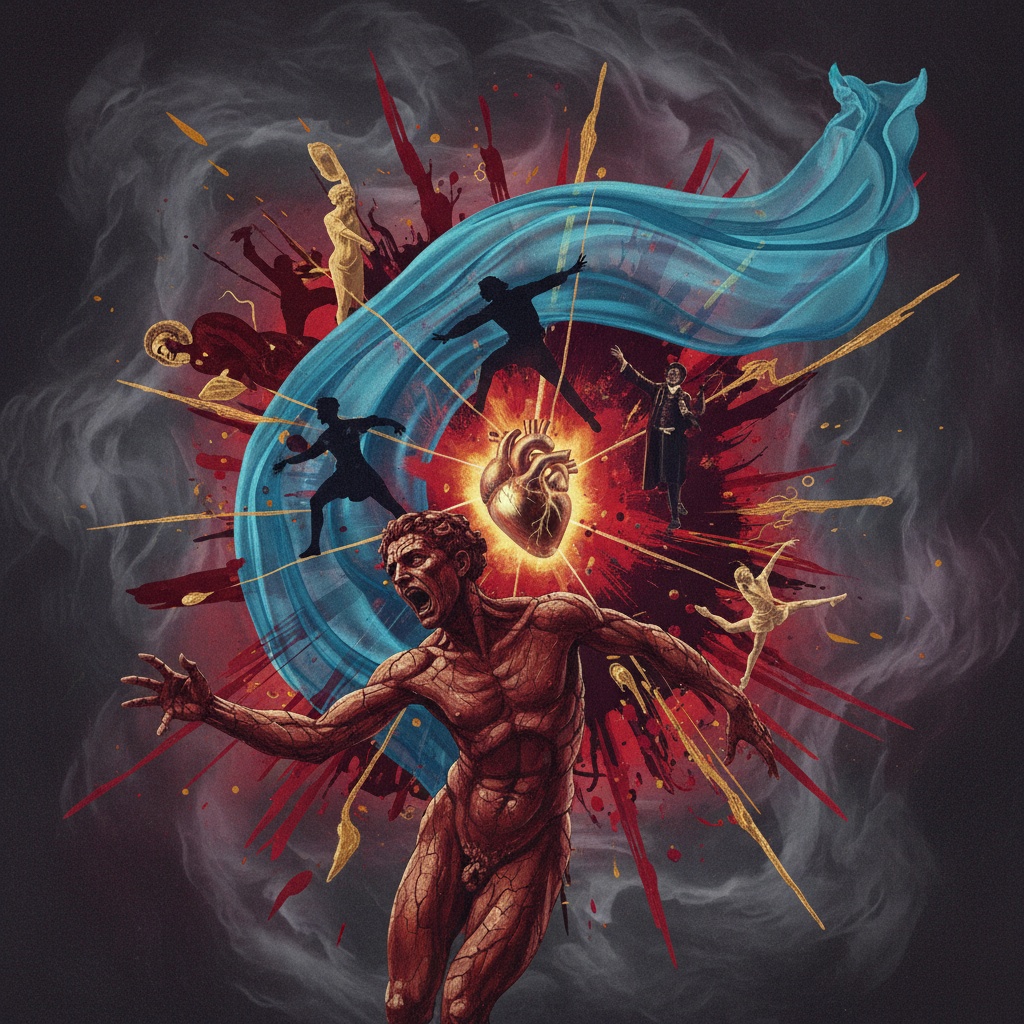
The Baroque Genesis: A Response to Reformation & Rise of Absolutism
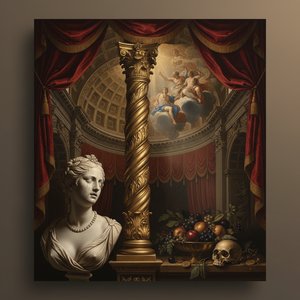 The Dramatic Flourish of Baroque Art: History, Characteristics & Enduring Influence
Explore the dramatic world of Baroque art! Discover its history, defining characteristics, and lasting influence on painting, sculpture & architecture. A comprehensive guide for art lovers.
The 17th century witnessed a seismic shift in the artistic landscape, one born not from gradual evolution but from fervent reaction. The Protestant Reformation had irrevocably fractured the religious unity of Europe, and the Catholic Church, seeking to reclaim its dominion, turned to art as a potent weapon in a counter-offensive. This was the genesis of Baroque – an aesthetic deliberately designed to overwhelm the senses, inspire piety, and reaffirm the power and glory of the Church. Simultaneously, the burgeoning absolutist monarchies across the continent found in Baroque’s grandeur a perfect visual language for projecting their authority and divine right to rule. It wasn't merely about beauty; it was about persuasion, about creating an immersive experience that left no room for doubt.
Prior to this period, Renaissance art had prioritized clarity, balance, and idealized forms. Baroque artists, however, embraced drama, movement, and a heightened sense of realism – often bordering on theatricality. This wasn’t simply a stylistic change; it reflected a fundamental shift in worldview. The focus moved from the intellectual contemplation of classical ideals to an emotional engagement with the divine and the human condition. The art became less about *what* was depicted and more about *how* it was felt, demanding a visceral response from the viewer. This new direction found fertile ground not only in Rome, the heart of Catholic power, but also spread rapidly throughout Europe, adapting to local contexts while retaining its core principles.
Chiaroscuro & Composition: The Language of Dramatic Painting
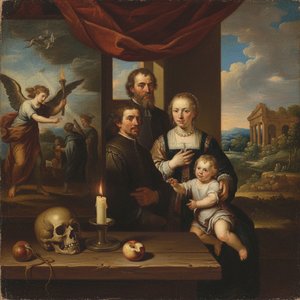
 Extreme Unction
Discover Nicolas Poussin's 1640 masterpiece 'Extreme Unction,' a stunning Baroque oil painting showcasing dramatic realism, emotional depth, and masterful chiaroscuro. Perfect for art collectors and enthusiasts.
At the heart of Baroque painting lies a mastery of light and shadow – a technique known as chiaroscuro. Pioneered by artists like Caravaggio, this wasn’t merely about depicting illumination; it was about sculpting form with darkness, creating an intense emotional atmosphere. Caravaggio's “The Calling of St. Matthew,” for example, doesn’t simply show a scene; it plunges the viewer into a dimly lit tavern, where a beam of divine light dramatically isolates and transforms the moment of revelation. This use of tenebrism, an even more extreme contrast between light and dark, heightened the sense of drama and psychological tension.
Beyond lighting, Baroque compositions were deliberately dynamic, eschewing the static balance of earlier periods. Diagonal lines, swirling forms, and figures caught in mid-action created a sense of movement and energy that drew the viewer into the scene. Peter Paul Rubens, with his exuberant depictions of mythological and biblical narratives, exemplified this approach. His paintings aren’t simply observed; they are experienced – a whirlwind of color, form, and emotion. The pyramidal composition, often employed to create stability while simultaneously suggesting upward movement towards the heavens, became a hallmark of the style. Artists understood that controlling the viewer's eye was crucial in guiding their emotional response.
Sculpting Emotion: Bernini and the Theatricality of Form
 Laocoön
Admire Joshua Cristall’s Baroque-inspired ‘Laocoön’ reproduction! This dramatic painting captures intense emotion & muscular figures in a somber, expressive style. Enhance your art collection today.
While painting captured fleeting moments, sculpture under Baroque masters like Gian Lorenzo Bernini sought to embody emotion itself. Bernini revolutionized sculpture by imbuing his works with a sense of movement, texture, and psychological depth previously unseen. His “Ecstasy of Saint Teresa” is perhaps the most iconic example – a breathtaking depiction of divine rapture where the saint’s face conveys both pain and ecstasy as an angel pierces her heart with a golden arrow. The swirling drapery, the dramatic lighting (often enhanced by hidden windows), and the overall theatricality create an immersive experience that transcends mere representation.
Bernini didn't simply sculpt figures; he sculpted moments. His “David,” unlike earlier Renaissance depictions of a stoic hero, captures the intense concentration and physical exertion of the biblical figure just before his confrontation with Goliath. The sculpture is dynamic, full of coiled energy, and invites the viewer to witness a pivotal moment in time. Bernini’s genius lay in his ability to blur the lines between sculpture, architecture, and painting, creating total works of art that engaged all the senses.
Beyond Italy: The Dissemination and Regional Variations of Baroque Art
The seeds of Baroque were sown in Rome, but they quickly took root across Europe, blossoming into diverse regional variations. In Flanders, Rubens’s dynamic style emphasized color, sensuality, and opulent detail. In Spain, artists like Zurbarán focused on religious austerity and dramatic realism, as exemplified in his powerful depictions of monks and saints – such as “St. Bonaventure,” a masterpiece of contemplative intensity. France developed its own distinct Baroque aesthetic under the influence of Louis XIV, characterized by grandeur, elegance, and a focus on classical themes.
Even Protestant countries weren’t immune to the allure of Baroque. While religious subject matter was less prevalent, artists embraced the style's dramatic lighting, dynamic compositions, and emotional intensity in portraits, landscapes, and still lifes. The key takeaway is that Baroque wasn’t a monolithic movement; it adapted to local tastes and cultural contexts while retaining its core principles of drama, emotion, and visual impact.
Baroque Interiors: Opulence, Illusion, and the Gesamtkunstwerk
 Baroque Drama: Bringing Opulence & Emotion into Contemporary Interiors
Explore the opulent world of Baroque interior design! Discover key elements, modern applications & how to bring dramatic elegance into your home with 's authentic reproductions.
The Baroque aesthetic extended beyond individual artworks to encompass entire interiors. Palaces and churches were transformed into immersive environments designed to overwhelm the senses and project power and authority. Elaborate stuccoes, gilded details, and frescoes adorned ceilings and walls, creating a sense of boundless space and divine splendor. The Palace of Versailles, with its Hall of Mirrors and expansive gardens, is perhaps the most iconic example – a testament to Louis XIV’s absolute power and refined taste.
Artists employed techniques like quadro riportato (frescos that created the illusion of framed paintings) and trompe l'oeil (optical illusions) to blur the boundaries between reality and representation. The goal was to create a Gesamtkunstwerk – a total work of art where architecture, sculpture, painting, and decoration seamlessly blended together to create a unified emotional experience. These interiors weren’t simply spaces; they were statements – declarations of power, faith, and artistic mastery.
At OriginalUniqueArt.com, we are dedicated to bringing the grandeur and emotional intensity of Baroque art into your home. Explore our collection of handmade oil paintings and museum-quality reproductions, meticulously crafted by skilled artists to capture the beauty and drama of this extraordinary period. From Caravaggio’s chiaroscuro to Bernini’s dynamic sculptures, discover a world of artistic excellence that will transform your space and inspire your soul.