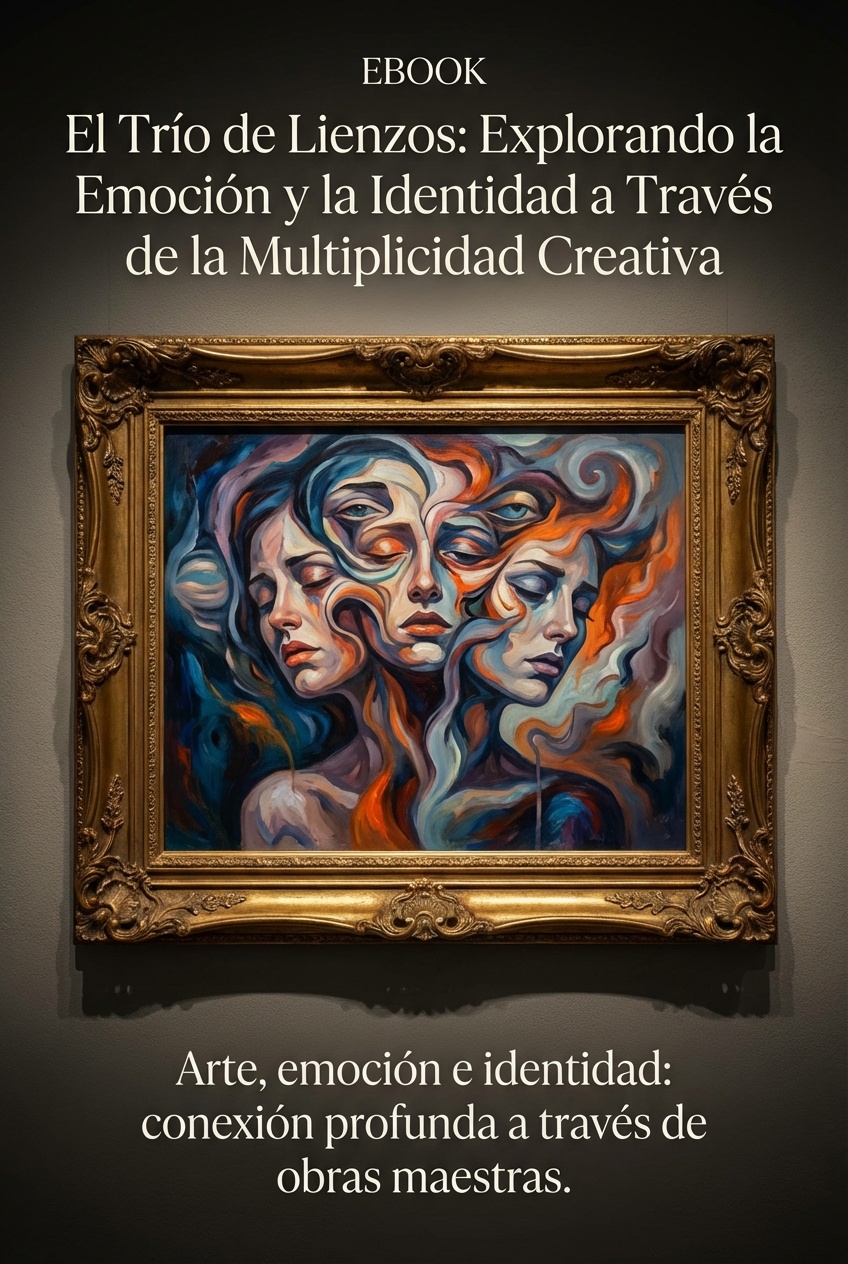
The Subjectivity of Vision: Unpacking Aesthetic Interpretation
Art, at its most profound, isn’t about what we *see*, but how we feel when we look. This seemingly simple distinction unlocks a universe of understanding regarding the enduring power and personal resonance of visual works. For centuries, philosophers and critics have wrestled with the question of interpretation – is meaning inherent in the artwork itself, dictated by the artist’s intention? Or does it reside solely within the eye of the beholder? The truth, as often happens, lies in a delicate interplay between the two. Consider the Renaissance masters; their meticulous depictions of biblical scenes weren't merely exercises in technical skill but carefully constructed narratives designed to evoke specific theological responses. Yet, centuries later, these same paintings can inspire awe and contemplation in viewers with no religious affiliation, prompting entirely new emotional connections rooted in composition, color, and sheer artistic brilliance.
The act of viewing is never passive. We bring our own histories, cultural contexts, and emotional landscapes to bear on every encounter with art. A painting viewed during a period of personal grief will undoubtedly resonate differently than one experienced amidst joy or tranquility. This subjective lens isn’t a flaw in the process; it's its very strength. As Louise Rosenblatt eloquently articulated, there exists a spectrum between ‘efferent’ reading – seeking information and objective understanding – and ‘aesthetic’ engagement, where the focus shifts to sensory experience and emotional immersion. The latter prioritizes the qualities of the work itself, fostering an intimate connection that transcends intellectual analysis. This is why two individuals can stand before the same masterpiece and emerge with profoundly different interpretations, both equally valid and deeply personal.
The debate surrounding interpretation – whether a single ‘correct’ reading exists or if meaning is infinitely malleable – underscores the inherent complexity of aesthetic experience. Formal analysis, dissecting elements like brushstroke, perspective, and light, provides a valuable framework for discussion, but it doesn't negate the power of individual emotional response. A painting’s formal qualities *contribute* to its impact, but they don’t define it.
Chromatic Psychology: How Color Shapes Emotional Response
Perhaps no element wields more immediate emotional sway than color. From the fiery passion of reds and oranges to the serene tranquility of blues and greens, color palettes are not merely aesthetic choices; they are carefully calibrated languages designed to evoke specific feelings and build lasting legacies. Artists throughout history have understood this power intuitively. Consider the vibrant hues employed by Impressionists like Monet – their landscapes weren’t simply representations of nature but attempts to capture fleeting moments of light and emotion through a symphony of color. Similarly, Van Gogh's turbulent brushstrokes and bold color choices reflect his inner turmoil and passionate worldview.
The psychological impact of color extends beyond simple preference; it’s deeply rooted in cultural symbolism and neurological associations. Warm tones often convey energy, excitement, and even aggression, while cooler hues evoke calmness, introspection, or melancholy. However, these associations aren't universal. White, signifying purity in Western traditions, represents mourning in many Eastern cultures, demonstrating the profound influence of context. The interplay between colors is equally crucial; complementary schemes create visual tension and vibrancy, while analogous schemes foster harmony and serenity. A discerning collector understands that a painting’s palette isn’t merely decorative but a deliberate strategy for shaping perception and evoking specific emotional responses.
The legacy of artists like Klee, with his masterful use of color to convey childlike wonder and spiritual depth, or Matisse, whose bold compositions explored the expressive potential of pure color, serves as a testament to its enduring power. By carefully considering an artwork’s palette, we unlock deeper layers of meaning and appreciate the artist's intent on a visceral level.
Compositional Resonance: Guiding the Viewer's Eye & Feeling
While color captures immediate attention, composition dictates *how* that attention is directed. The arrangement of elements within a visual field profoundly influences our perception and emotional response to art. Principles like symmetry and asymmetry create distinct effects; symmetrical compositions often convey balance, order, and formality, while asymmetrical arrangements evoke dynamism, tension, and even chaos. The rule of thirds, a common guideline, positions key elements off-center to create visual interest and guide the viewer’s gaze. Leading lines draw the eye towards focal points, creating a sense of depth and movement, while negative space provides breathing room and emphasizes certain forms.
Beyond these technical aspects, composition plays a crucial role in storytelling. A crowded composition might convey abundance or claustrophobia, whereas an empty landscape can evoke solitude or vastness. The psychological impact is often subconscious; we respond intuitively to its underlying structure without necessarily being aware of the specific techniques employed. Consider Caravaggio’s dramatic use of chiaroscuro – the stark contrast between light and shadow – which not only creates visual intensity but also emphasizes emotional turmoil and spiritual conflict. Or think of Japanese woodblock prints, with their carefully balanced compositions and minimalist aesthetic, evoking a sense of tranquility and harmony.
Masterful composition isn’t simply about aesthetic appeal; it's a deliberate strategy for guiding the viewer’s emotional journey and shaping their overall experience of the artwork. It is the silent architect of feeling within a painting.
Beyond Representation: The Evocative Power of Art and Symbolism
Art transcends literal representation when it taps into our deepest emotions, offering glimpses into universal human experiences. A seemingly mundane scene can evoke profound feelings through skillful execution – the play of light and shadow, the texture of brushstrokes, the subtle use of symbolism. These elements aren’t merely decorative; they are carefully chosen tools for conveying complex meanings without explicit explanation. For example, a dove often symbolizes peace, while a skull represents mortality, but these symbols are rarely straightforward. Their interpretation is influenced by cultural context and personal association.
The therapeutic power of art stems from its ability to provide a safe space for exploring difficult emotions. Viewing artwork that reflects our own experiences or anxieties can be cathartic and validating. Furthermore, the act of creating art itself can be a powerful form of self-expression and emotional release. Consider the works of Frida Kahlo – her intensely personal paintings explored themes of pain, identity, and resilience, resonating with viewers on a deeply visceral level. Or think of abstract expressionists like Rothko, whose color field paintings evoke a sense of awe and contemplation through pure emotion.
The evocative power of art resides in its capacity to bypass rational thought and connect directly with our emotions. It’s a testament to the human ability to find meaning and beauty even in the face of adversity, transforming personal experiences into universal truths.
Custom Creation as Dialogue: Client Collaboration & Artistic Vision
The opportunity to commission a custom artwork represents a unique convergence of personal vision and artistic expertise. This process isn’t merely about fulfilling a request; it's about building a dialogue between client and artist, refining ideas until they perfectly align with the client’s expectations. The success hinges on effective communication – clients must articulate their desired aesthetic, style, color palette, subject matter, and mood, while artists provide expertise in translating those concepts into a visually compelling composition.
This often involves multiple iterations, with artists presenting sketches or mockups for client feedback. Understanding the artist’s interpretation of the brief is crucial; they may offer unique perspectives or suggest alternative approaches that enhance the overall impact of the artwork. Museum-quality materials are essential for ensuring longevity and preserving the integrity of the piece. The final product should not only reflect the client’s personal taste but also stand as a testament to artistic skill and craftsmanship. A truly successful commission is more than just a painting; it's a collaborative masterpiece that embodies both individual expression and artistic vision.
The Triadic Experience: Context, Memory, and Personal Connection
Ultimately, the emotional resonance of an artwork isn’t solely determined by its inherent qualities or even the artist’s intent. It’s shaped by the complex interplay between the piece itself, the viewer's individual history, and the surrounding context. Studies on dyadic interactions during art viewing reveal that shared experiences can alter emotional responses, fostering a sense of connection and encouraging dialogue. The physical environment also plays a significant role; lighting, acoustics, and surrounding décor can all influence our mood and perception.
Personal history shapes our emotional response to art in profound ways. A painting that evokes childhood memories or resonates with deeply held beliefs will undoubtedly have a more powerful impact than one that lacks personal significance. Recent research suggests that even seemingly unrelated stimuli – such as window displays – can elicit similar emotional responses to artworks, highlighting the interconnectedness of aesthetic experience and everyday life. The integration of affect (emotional response) and semiosis (meaning-making) is crucial for understanding the full complexity of art appreciation.
At OriginalUniqueArt.com, we believe in fostering this holistic approach to art. Whether you’re seeking a hand-painted reproduction of a classic masterpiece, commissioning a custom portrait, or simply exploring our curated collections, we are dedicated to providing an experience that resonates on a deeply personal level. Our expert consultants offer personalized guidance, helping you select artworks that perfectly complement your space and reflect your unique vision. We invite you to embark on a journey of discovery – to explore the power of art, unlock its hidden meanings, and create lasting connections with works that inspire and uplift.