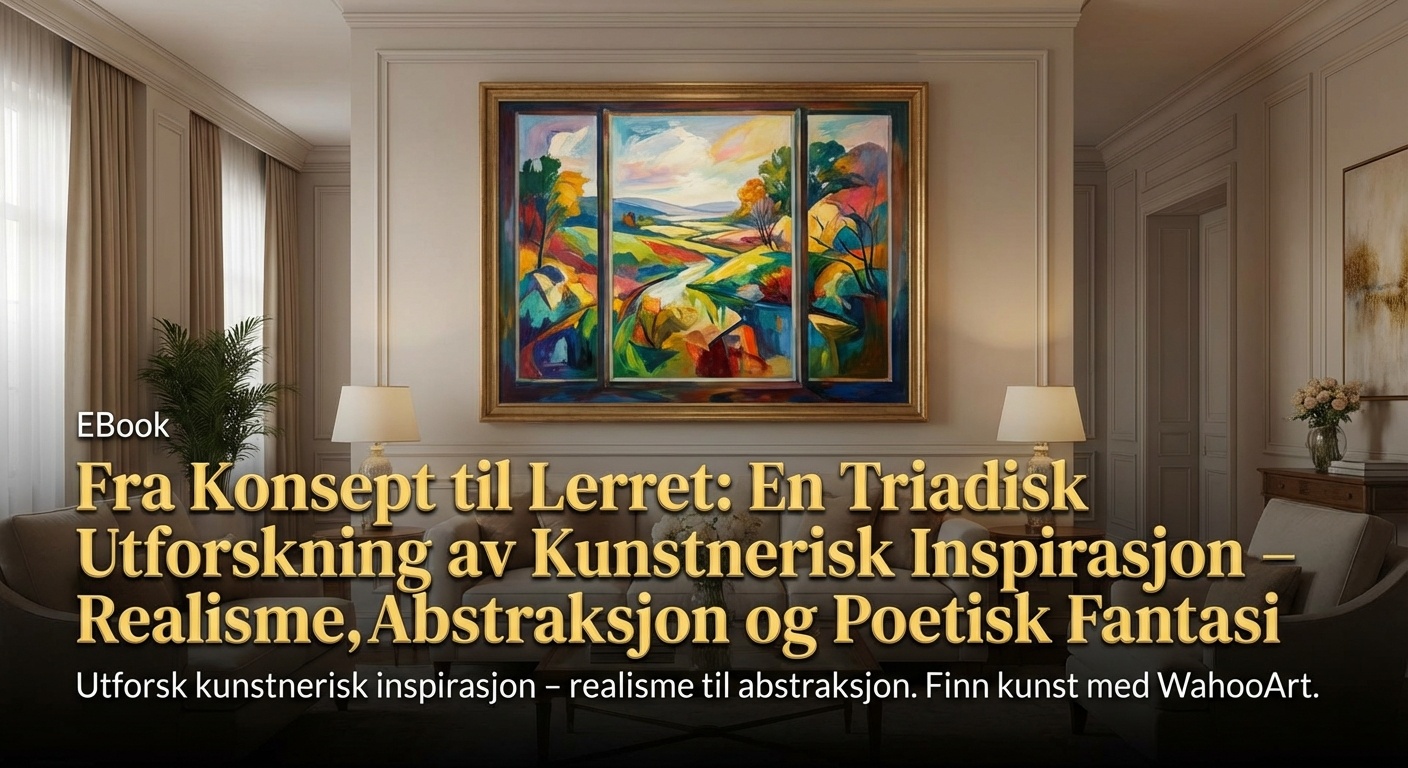
The Triadic Forces: Realism, Abstraction & Imagination – The Core of Artistic Inspiration
 The painter and his model 15
Explore Pablo Picasso’s ‘Painter and His Model,’ a Cubist masterpiece showcasing intimacy & fragmented forms. Discover this iconic work's unique style & historical significance.
The genesis of a painting is rarely a straightforward translation of observation. Instead, it’s often born from a complex interplay of influences—a triadic relationship between the tangible world (Realism), the internal landscape of emotion and idea (Abstraction), and the evocative power of poetic imagination. This exploration delves into how these three forces converge to shape artistic vision. Consider the earliest cave paintings – not merely depictions of animals, but imbued with a spiritual significance, a desire to capture the essence of life itself. That impulse, that need to transcend simple representation, is at the heart of all great art.
Realism, in its purest form, seeks to depict subjects as they appear, prioritizing accuracy and detail. However, even within Realism, interpretation plays a crucial role. Artists don’t simply copy reality; they select what to represent, framing their perspective through composition, light, and shadow. Gustave Courbet, whose depictions of everyday life were revolutionary not just for their subject matter but also for their unflinching honesty – a deliberate choice in representation. This selection process is inherently subjective, marking the first layer of artistic interpretation. Think of the Dutch Masters, meticulously rendering textures and surfaces; they weren’t simply documenting objects, but celebrating the material world with an almost devotional intensity.
The shift towards Abstraction represents a departure from this direct imitation. Pioneered by artists like Wassily Kandinsky (as seen in his ‘Untitled’ painting), abstraction prioritizes form, color, and texture over representational accuracy. But even within non-representational art, meaning isn't absent; it’s simply encoded differently. Kandinsky believed that colors and shapes possessed inherent spiritual qualities, capable of evoking specific emotions and sensations. His work wasn’t random but a carefully constructed language of visual symbolism – a quest to express the inner life through pure form. The Bauhaus movement further explored this idea, seeking to unify art, craft, and technology in pursuit of a new aesthetic order.
The final component – Poetic Imagination – acts as the catalyst that fuses Realism and Abstraction. This is where the artist imbues their work with personal meaning, narrative, and emotional resonance. It's about transforming observation into experience, conveying not just what something looks like but how it feels*. Georgia O’Keeffe’s floral paintings, for example, are rooted in realistic depictions of flowers, yet they transcend mere botanical illustration through their sensual forms and evocative symbolism. They represent a deeply personal exploration of femininity and the natural world. Pablo Picasso’s ‘Painter and His Model,’ exemplifies this process; the fragmented forms of Cubism are rooted in observed reality but ultimately serve as a vehicle for exploring themes of intimacy, perception, and artistic creation.
Ultimately, understanding art requires recognizing that it's rarely a simple act of replication. It’s a complex synthesis of observation (Realism), internal expression (Abstraction), and the artist’s unique poetic vision – a triadic interplay that gives each artwork its distinct character and enduring power.
Intent vs. Interpretation: Decoding an Artist’s Vision (and Your Own)
 Untitled
Explore Wassily Kandinsky's enigmatic 'Untitled,' a complex 1922 painting brimming with symbolic objects and figures, reflecting his pioneering abstraction & spiritual themes. A captivating glimpse into the artist’s creative process.
The role of the artist's intention in shaping interpretation is a long-standing debate within art history. While some argue that understanding the artist’s original intent is paramount, others contend that once a work is released into the world, its meaning becomes open to individual interpretation. This isn’t merely an academic exercise; it speaks to the very nature of communication and the subjective experience of beauty.
The intentionalist perspective suggests that a valid interpretation should align with what the artist consciously intended to convey. This approach emphasizes biographical context and artistic statements as crucial sources of information. However, this can be problematic. Artists aren’t always articulate about their intentions, and even when they are, those intentions may evolve over time or be subject to self-deception. Consider Leonardo da Vinci – his notebooks reveal a restless intellect constantly questioning and revising his ideas; pinning down a single ‘intention’ for the Mona Lisa feels almost impossible.
A counterargument posits that the artwork itself is the primary source of meaning, independent of the artist's intent. This perspective emphasizes formal analysis – examining the composition, color palette, brushwork, and other visual elements to uncover inherent patterns and symbolism. Wassily Kandinsky’s theoretical writings on color and form support this view; he believed that the very structure of a painting could communicate meaning regardless of specific subject matter. He sought a ‘spiritual in art,’ accessible through pure aesthetic experience.
The reality likely lies somewhere in between. While understanding an artist's background and influences can provide valuable context, it shouldn’t be considered definitive. The viewer’s own experiences, cultural background, and emotional state inevitably shape their interpretation. This is particularly evident in abstract art where the absence of representational cues encourages a more subjective response. The concept of ‘reader-response theory,’ borrowed from literary criticism, applies equally well to visual art. It suggests that meaning isn't inherent in the artwork itself but is created through the interaction between the work and the viewer.
The artist’s intention provides a valuable starting point for interpretation, but it shouldn’t be considered the sole determinant of meaning. A truly enriching experience involves engaging with the artwork on multiple levels – considering both its historical context and one's own personal response.
From Photo to Painting: Custom Art Creation and Collaborative Aesthetics
 Translating Vision into Visual Form: Exploring Artistic Interpretation and Client Collaboration in Custom Art Creation
Transform your vision into a timeless masterpiece with OriginalUniqueArt's custom art services. Expert artists, museum-quality materials & personalized collaboration. Discover the perfect artwork for your space.
Custom art creation offers a unique opportunity to explore the interplay between artistic vision and client collaboration. This process requires careful negotiation between the artist’s aesthetic sensibilities and the client’s specific desires. It's about transforming a cherished memory, a beloved portrait, or a personal inspiration into a tangible work of art – a piece that resonates deeply with the individual.
The initial consultation is crucial, establishing clear expectations and defining the scope of the project. This involves discussing the desired style, subject matter, size, color palette, and overall mood. OriginalUniqueArt's custom art services excel in this stage, providing expert guidance to help clients articulate their vision. Do you envision a classic oil painting, a vibrant watercolor, or a modern abstract interpretation? What emotions do you want the artwork to evoke?
The artist then typically presents preliminary sketches or mockups for approval. This allows the client to provide feedback and request adjustments before the final artwork is created. This iterative process ensures that the finished piece aligns with the client’s expectations while still retaining the artist’s unique voice. A skilled artist will not simply execute a request but offer creative suggestions, enhancing the composition or color scheme to achieve optimal results.
A key challenge lies in balancing artistic integrity with client preferences. Artists must navigate requests that may compromise their aesthetic principles or technical expertise. Effective communication and a willingness to compromise are essential. The article 'Translating Vision into Visual Form: Exploring Artistic Interpretation and Client Collaboration in Custom Art Creation' highlights the importance of this collaborative dynamic.
The use of digital tools has streamlined this process, allowing artists to create realistic mockups that accurately represent the finished artwork. This minimizes misunderstandings and ensures client satisfaction. Furthermore, clients can often request specific stylistic influences – for example, asking an artist to recreate a portrait in the style of Van Gogh or Monet.
Custom art creation is a collaborative endeavor that requires open communication, mutual respect, and a willingness to compromise. When executed effectively, it results in a unique artwork that reflects both the artist’s vision and the client’s personal taste.
Reproductions & the Digital Age: Authenticity, Access & Personalization
 Beyond Reproduction: Fan Art, Interpretation & Artistic Engagement with 's Customization Options
Explore the evolving world of art reproduction & customization with . Discover museum-quality reproductions, personalized paintings from photos, and expert art licensing options. Empower your creative vision today!
The rise of digital reproduction technologies has blurred the lines between original artworks and copies, raising questions about authenticity and artistic value. For centuries, art was largely confined to museums, galleries, and private collections – inaccessible to most. Now, high-quality reproductions allow individuals to experience masterpieces in their own homes.
Traditionally, art reproductions were viewed as inferior substitutes for the real thing. However, advancements in printing techniques – particularly giclée printing – have produced reproductions that are remarkably faithful to the originals. OriginalUniqueArt offers museum-quality prints that capture the nuances of color, texture, and detail. These aren’t simply copies; they are meticulously crafted representations, often using archival inks and premium canvas.
The debate extends beyond technical fidelity. Some argue that even a perfect reproduction lacks the ‘aura’ of the original – the unique energy and history associated with a specific object. This concept, articulated by Walter Benjamin in his essay 'The Work of Art in the Age of Mechanical Reproduction,' suggests that authenticity is inextricably linked to provenance and physical presence. The very touch of the artist's hand, the imperfections inherent in the creation process, contribute to its value.
However, reproductions can also democratize access to art, making masterpieces available to a wider audience. They allow individuals to experience works they might otherwise never encounter. Furthermore, customized reproductions – such as those offered by OriginalUniqueArt – empower viewers to personalize their surroundings with artworks that resonate with their individual tastes. The ability to choose different sizes, framing options, and even stylistic variations adds another layer of personalization.
The article 'Beyond Reproduction: Fan Art, Interpretation & Artistic Engagement