The Genesis of Relief: Understanding the Fundamentals of Woodblock Printing
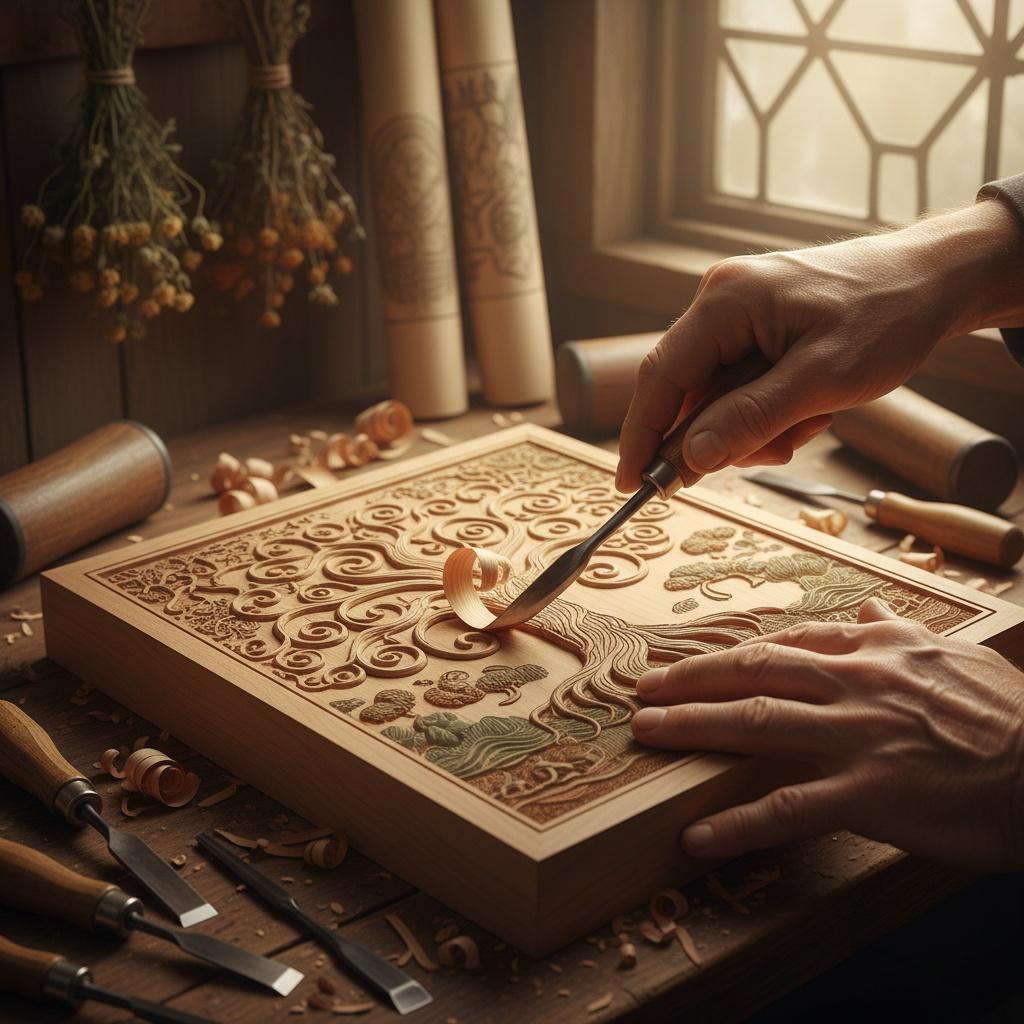
To understand the soul of woodblock printing, one must first contemplate the concept of relief. Unlike the additive nature of oil painting, where pigment is layered upon a surface to build form, woodblock printmaking is an inherently subtractive discipline. It begins with a singular, unblemished plane of wood—often cherry or pear for their fine grain—and a vision of what must be removed. The artist acts as both creator and destroyer, utilizing specialized gouges and knives to carve away the negative space, leaving behind only those lines and shapes destined to hold the ink.
This fundamental tension between presence and absence defines the medium's character. Every stroke of the chisel is a permanent decision; once the wood is carved, the light that was once there is gone forever. This process demands a profound level of foresight and precision, as the artist must visualize the final image in reverse, anticipating how the remaining raised surfaces will interact with the pressure of the press. It is a dance of resistance and release, where the strength of the hand meets the stubbornness of the organic material, resulting in a graphic clarity that few other mediums can replicate.
Mastering the Grain: The Intricate Relationship Between Wood Texture and Linework
The true magic of woodblock printing lies in the dialogue between the artist's tool and the natural anatomy of the wood itself. A master printmaker does not merely work on the wood; they work with it. The grain, those undulating patterns formed by the tree's growth, serves as a silent collaborator in the composition. In areas of fine, delicate linework, a smooth, tight-grained wood is essential to prevent the splintering that could ruin a subtle detail. Conversely, in more expressive or atmospheric sections, the artist may intentionally allow the texture of the grain to emerge through the ink, lending a primal, organic energy to the work.
This interplay creates a tactile depth that transcends simple imagery. When we observe a well-executed print, we are not just seeing lines; we perceiving the subtle ridges and valleys left by the carving process. The way the ink settles into the microscopic pores of the wood or pools slightly on the raised surfaces creates a variation in density that mimics the natural world. This marriage of human intent and botanical texture is what gives woodblock prints their unique, breathing quality, transforming a flat piece of paper into a window of profound textural complexity.
A Journey Through Eras: From Ancient Traditions to the Ukiyo-e Golden Age
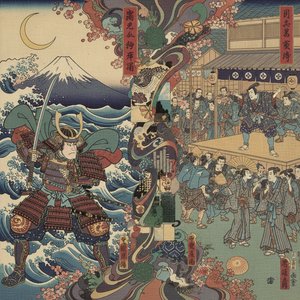
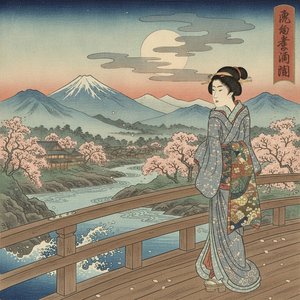
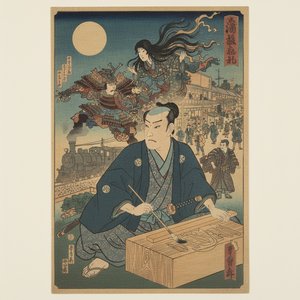
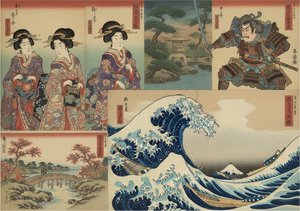
The lineage of printmaking stretches back through the centuries, rooted in the ancient necessity of spreading knowledge and iconography. While early techniques emerged in East Asia for the reproduction of religious texts and patterns, it was during the Edo period in Japan that the medium reached its aesthetic zenith. This era saw the birth of Ukiyo-e, or "pictures of the floating world," a genre that captured the ephemeral joys of urban life, from the elegance of kabuki actors to the serene landscapes of the countryside.
The evolution of this art form was marked by a transition from monochromatic prints to the breathtakingly complex multi-color nishiki-e. Artists like Katsushika Hokusai and Utagawa Hiroshige revolutionized the medium, utilizing multiple carved blocks—one for each color—to create compositions of unparalleled vibrancy. In works such as Hokusai's "One Hundred Views of Mt. Fuji," we see a mastery of atmospheric perspective and delicate shading that challenged the boundaries of what a relief print could achieve. This era did not merely document a culture; it elevated the woodblock into a sophisticated vehicle for high art, influencing global movements from Impressionism to modern graphic design.
Pigment and Pressure: The Alchemy of Color Application and Ink Transfer
The transformation of a carved block into a finished masterpiece requires a delicate alchemy of pigment, moisture, and mechanical force. Unlike the heavy, viscous oils used in traditional painting, woodblock inks—often water-based in the Japanese tradition—must be applied with extreme evenness. The artist uses brushes to spread the pigment across the raised surfaces, carefully managing the amount of moisture to ensure that the color remains vibrant without bleeding into the unintended carved valleys.
The moment of truth occurs during the printing process itself. A sheet of handmade paper, often highly absorbent, is laid atop the inked block. Through the application of controlled pressure—whether via a heavy mechanical press or the rhythmic, circular motions of a baren (a hand-held tool)—the ink is forced into the fibers of the paper. This transfer is a high-stakes endeavor; too little pressure results in faded, ghostly imagery, while too much can cause blurring and loss of detail. When executed perfectly, the result is a seamless integration of color and substrate, where the pigment appears to be part of the paper itself rather than merely resting upon it.
The Tactile Legacy: Preserving the Aesthetic Depth of Printmaking for Modern Collectors
For the contemporary enthusiast, the allure of woodblock printing lies in its enduring physical presence. In an age dominated by the ephemeral nature of digital imagery, there is a profound reverence for the "living" quality of a print. The subtle variations in ink density, the visible traces of the wood grain, and the slight indentation of the paper under pressure all contribute to a sense of authenticity that cannot be replicated by modern digital reproductions.
Collecting these works requires an appreciation for both their historical significance and their material integrity. To preserve such treasures, one must understand the science of longevity—protecting them from the ravages of light and humidity through proper framing and acid-free mounting. As we continue to find inspiration in the works of masters like Chiura Obata or the dynamic compositions of Utagawa Kuniyoshi, we are reminded that woodblock printing is not a relic of the past, but a continuous, breathing tradition. It remains a testament to the human ability to find eternal beauty within the transient textures of the natural world.
At OriginalUniqueArt.com, we celebrate this legacy of craftsmanship. Whether you are seeking to explore the intricate details of historical Ukiyo-e masterpieces or looking to commission a custom reproduction that captures the textured soul of the Old Masters, our mission is to bring the profound depth of art history into your personal collection with unparalleled quality and expertise.