
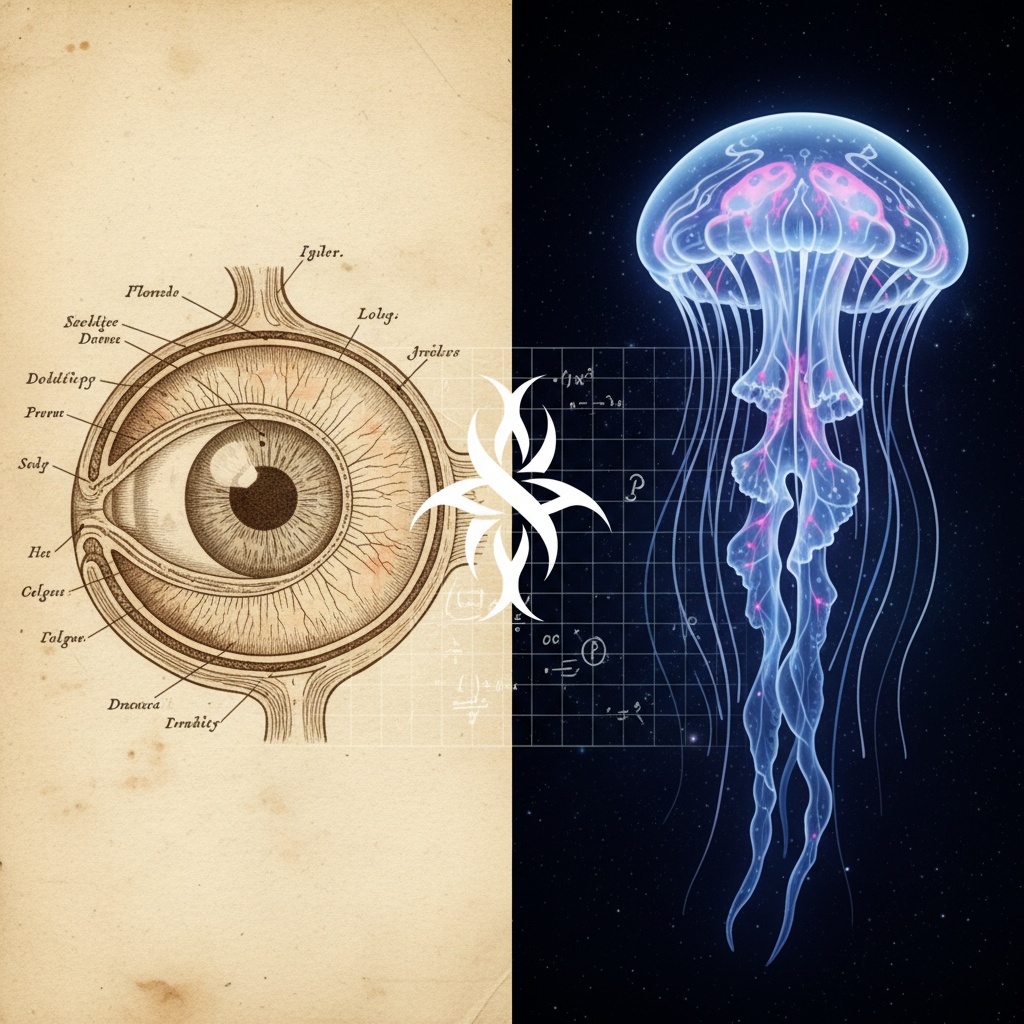
The Dawn of Visual Knowledge: Early Botanical Records & Artistic Representation
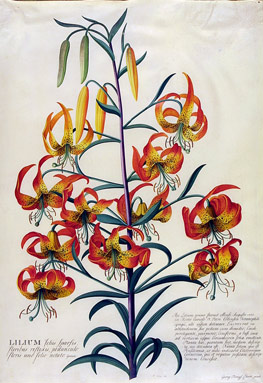 Wikipedia: Botanical illustration
Botanical illustration is the art of depicting the form, color, and details of plant species. They are generally meant to be scientifically descriptive about subjects depicted and are often found printed alongside a botanical description in books, m...
Before the advent of photography, before even the widespread availability of printed books, humanity’s understanding of the natural world was inextricably linked to the skill and patience of the artist. The earliest attempts to categorize and comprehend flora weren't born from dry scientific analysis alone; they blossomed from a deep aesthetic engagement with plant life. Consider the ancient herbals – meticulously crafted manuscripts like those produced in Egypt or the later Vienna Dioscurides, illuminated with vibrant (though often stylized) depictions of medicinal plants. These were not simply records for apothecaries; they represented a worldview where beauty and utility were intertwined, and accurate representation was paramount—even if that accuracy was sometimes tempered by artistic license. The fragility of specimens necessitated the artist’s hand, transforming fleeting botanical realities into enduring visual forms. Early monastic gardens, tended with reverence, provided both material for healing and inspiration for detailed illustrations, often imbued with symbolic meaning reflecting religious beliefs.
From Observation to Interpretation: The Role of Detail in Scientific Accuracy
 Illustration: Trumpet Creeper
Exquisite 1932 botanical illustration by Maud H. Purdy: 'Trumpet Creeper'. Detailed watercolor study of a *Campis radicans* plant, showcasing scientific precision & natural beauty.
As the Renaissance dawned, a shift began—a growing emphasis on empirical observation. Artists were no longer solely tasked with replicating form but with capturing *essence*. This required an unprecedented level of detail. Botanical illustration evolved into a discipline demanding not just artistic talent but also a profound understanding of plant morphology – the study of the structure and form of plants. The meticulous work of artists like Albrecht Dürer, whose watercolor studies of plants demonstrate both scientific precision and remarkable artistry, exemplifies this new approach. The challenge lay in translating three-dimensional complexity onto a two-dimensional surface, conveying texture, color variations, and subtle anatomical features. This pursuit wasn’t merely about creating pretty pictures; it was about establishing a visual language for botanical taxonomy—a means of identifying and classifying species with increasing accuracy. The inclusion of roots, stems, leaves, flowers, and seeds in a single illustration became standard practice, providing a comprehensive record for scholars.
Karl Blossfeldt & the Aesthetic Elevation of Natural Forms
 Art Forms in Nature 82
Discover 'Art Forms in Nature 82' by Karl Blossfeldt – a stunning black & white botanical illustration showcasing nature’s intricate beauty. Explore German Expressionism.
Fast forward to the early 20th century, and we encounter Karl Blossfeldt, a German photographer whose work fundamentally altered our perception of botanical subjects. Blossfeldt didn’t simply *illustrate* plants; he photographed them with an almost clinical precision, isolating individual specimens against stark white backgrounds. His series, Art Forms in Nature, presented these forms as sculptural objects—revealing the inherent beauty and complexity often overlooked in traditional depictions. Blossfeldt's approach wasn’t about romanticizing nature but about stripping it bare, exposing its underlying structure and geometric elegance. He sought to demonstrate that art and science weren’t mutually exclusive domains; rather, they were two sides of the same coin—both driven by a desire to understand and represent the world around us. His work challenged conventional notions of artistic beauty, finding it not in idealized landscapes but in the unadorned forms of everyday plants.
Maud H. Purdy and the American Tradition of Precision Botanical Illustration
 Illustration: Franklin Tree
Exquisite botanical illustration by Maud H. Purdy (1935). A detailed Gordonias altamaha flower study in stark black & white, showcasing scientific precision & delicate beauty. #botanicalart #vintageillustration
Across the Atlantic, Maud H. Purdy embodied a distinctly American tradition of botanical illustration—one characterized by meticulous detail, scientific rigor, and a subtle elegance. Working primarily in watercolor, Purdy created stunning studies of plants native to the eastern United States, often commissioned for inclusion in scholarly publications. Her illustrations, such as her detailed rendering of the Franklin Tree (*Gordonias altamaha*), are remarkable not only for their accuracy but also for their artistic sensitivity. Purdy’s work exemplifies a commitment to capturing the unique characteristics of each species—the delicate venation of leaves, the subtle gradations of color in petals, and the intricate structure of seed pods. She wasn't merely copying nature; she was interpreting it through a lens of scientific understanding and artistic skill. Her illustrations stand as testaments to the power of observation and the enduring beauty of the natural world.
Beyond Aesthetics: Epistemological Implications of Scientific Imagery
Epistemology is the branch of philosophy that examines the nature, origin, and limits of knowledge. Also called the theory of knowledge, it explores different types of knowledge, such as propositional knowledge about facts, practical knowledge in the...
The history of scientific illustration isn’t simply a story about art; it's also a story about knowledge—how we acquire it, how we represent it, and how our representations shape our understanding. Epistemology, the branch of philosophy concerned with the nature and scope of knowledge, provides a crucial framework for examining this relationship. Scientific illustrations aren’t neutral depictions of reality; they are *interpretations* – constructed by artists in consultation with scientists, informed by specific methodologies and theoretical frameworks. The very act of selecting which features to emphasize, which colors to use, and which perspective to adopt involves a degree of subjectivity. Furthermore, the accuracy of an illustration depends not only on the artist’s skill but also on the quality of the specimens available and the limitations of the tools at their disposal. Understanding these inherent biases is crucial for critically evaluating scientific imagery and recognizing its role in shaping our understanding of the natural world.
Contemporary Perspectives: Bridging Art, Science, and Philosophical Inquiry
 Timothy John Williamson
Timothy John Williamson (b. 1955): British philosopher & botanical artist renowned for detailed fungi paintings. Explore the intersection of science, art & philosophical inquiry!
Today, the boundaries between art and science continue to blur. Artists like Timothy John Williamson demonstrate this beautifully, combining detailed botanical paintings with philosophical inquiry. His work challenges us to reconsider our relationship with nature—to see plants not merely as objects of study but as complex organisms deserving of respect and admiration. The resurgence of interest in botanical illustration reflects a broader cultural shift towards sustainability and environmental awareness. As we grapple with the challenges of climate change and biodiversity loss, the ability to accurately represent and appreciate the natural world becomes increasingly important. OriginalUniqueArt.com celebrates this intersection of art and science by offering museum-quality reproductions of masterpieces like those created by Purdy and Blossfeldt, allowing you to bring the beauty and precision of botanical illustration into your own home. Whether you’re a seasoned collector or simply an admirer of natural beauty, these artworks offer a unique window into the fascinating world of plants—a world where art, science, and philosophy converge.



