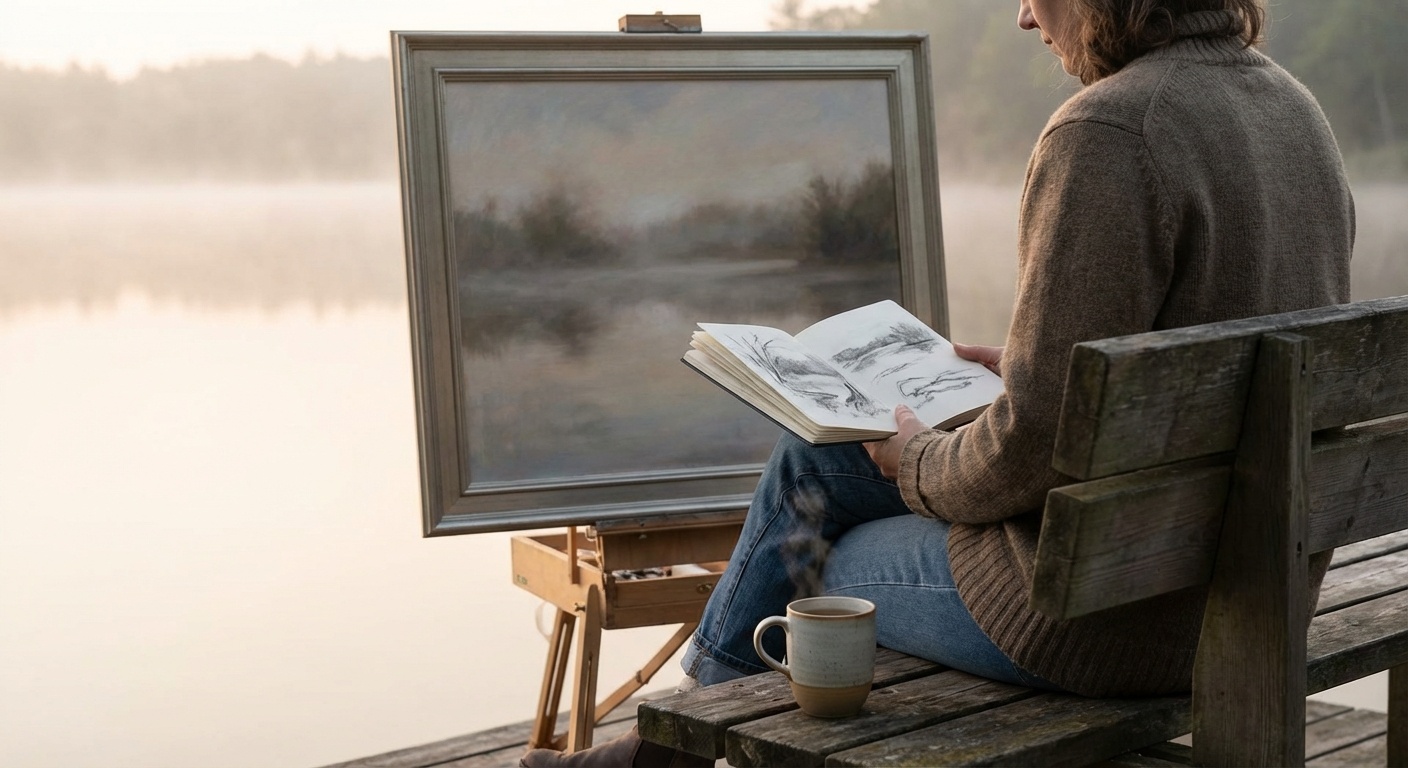
Introduction: The Enduring Appeal of Serenity in Art
From the earliest cave paintings to contemporary installations, humanity has sought to capture and convey a sense of peace through art. This isn't merely about aesthetic preference; it’s a fundamental human need – a yearning for respite from the chaos of existence, a visual echo of inner harmony. The pursuit of serenity in art reflects our deepest desires: connection with nature, contemplation of the self, and an understanding of something larger than ourselves. Throughout history, artists have employed diverse techniques and symbolism to evoke these feelings, offering viewers not just images but portals to tranquility.
The Sublime Landscape: Finding Peace in Nature's Grandeur
 Serenity Embodied: Exploring Representations of Tranquility in Art History
Explore the history of tranquility in art with OriginalUniqueArt. Discover serene landscapes by Cole, Corot, Van Gogh & more. Find paintings that evoke peace and create a calming atmosphere in your home.
The 19th-century Romantic movement witnessed a profound shift towards appreciating the power and beauty of the natural world. Artists like Caspar David Friedrich didn’t simply depict landscapes; they used them as vehicles for spiritual exploration. His painting, Evening1, exemplifies this perfectly – a lone figure silhouetted against a vast, melancholic sky, dwarfed by the immensity of creation. This isn't about cheerful pastoral scenes but rather an encounter with the sublime—a feeling of awe mixed with terror, ultimately leading to a sense of profound peace through acknowledging our place within something infinitely larger. Similarly, Sanford Robinson Gifford’s “Mount Whiteface from Lake Placid” captures the breathtaking scale of the Hudson River School landscapes, inviting contemplation and quiet reverence for nature's majesty. The meticulous detail and luminous quality of oil paint allowed these artists to convey not just what they saw but how it *felt* to be immersed in such grandeur. The concept of the sublime, as explored by philosophers like Kant, suggests that true beauty isn’t simply about pleasing aesthetics; it’s about confronting something beyond our comprehension, a confrontation that can be both humbling and deeply restorative.
Introspection and Tranquility: Still Life & Portraiture’s Quiet Moments
While landscapes often offer external serenity, still life and portraiture delve into the internal world. The Dutch Masters, renowned for their meticulous realism, elevated everyday objects to symbols of contemplation and quiet beauty. A simple bowl of fruit, a single flower in bloom – these weren't merely representations but meditations on mortality, transience, and the fleeting nature of existence. Portraiture, too, could be used to convey inner peace. Artists sought not just physical likeness but also psychological depth, capturing moments of stillness and introspection. Consider the subtle emotional nuance conveyed in portraits from the 18th and 19th centuries; a gentle gaze, a relaxed posture – these details speak volumes about the sitter’s inner state.
Eastern Philosophies & the Art of Zen: Cultivating Inner Calm
 Cultivating Inner Peace: Serenity in Art Across Movements & Cultures
Explore the art of serenity across cultures & movements. Discover paintings that evoke peace, tranquility, & wellbeing. Expert guidance from OriginalUniqueArt – find artwork to cultivate calm in your home.
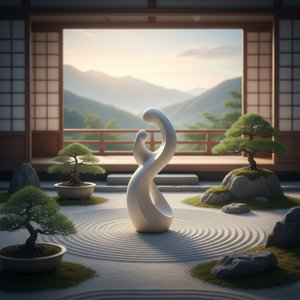
Across cultures, the pursuit of serenity has taken different forms. In Eastern art, particularly in Japan, Zen Buddhism profoundly influenced artistic expression. Artists like Honda Takeshi, with his “Walking in the Mountains” series, embody this philosophy. His landscapes aren’t about dramatic vistas but rather subtle evocations of atmosphere and mood. The emphasis is on simplicity, minimalism, and a deep connection with nature – not as something to be conquered or controlled but as something to be experienced directly. The use of ink wash painting (sumi-e) allows for spontaneity and expressiveness, capturing the essence of a scene rather than its literal details. This approach encourages viewers to find peace through quiet contemplation and an appreciation for the beauty of impermanence.
Modern Interpretations of Serenity: Abstraction & Minimalism
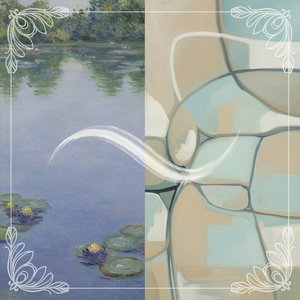
The 20th century saw a radical departure from representational art, but the desire for serenity didn't disappear—it simply manifested in new forms. Abstract Expressionism, with its emphasis on emotional expression and spontaneous gesture, could be seen as an attempt to tap into primal sources of calm. Minimalism, however, offered a more direct path. Artists like Mark Rothko used simple geometric shapes and muted colors to create immersive environments that encouraged contemplation and inner reflection. These works aren't about depicting specific objects or scenes but rather evoking pure emotion – a sense of peace, tranquility, or even spiritual awakening. Walter Herbert Withers, though rooted in Impressionism, foreshadowed this shift with his landscapes focusing on light and atmosphere, creating a sense of quietude through subtle color palettes.
Bringing Calm Home: Selecting Artwork to Evoke Peace
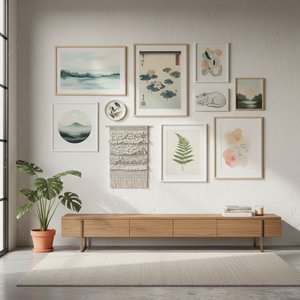
Ultimately, the power of art lies in its ability to transform our surroundings and influence our emotional state. Selecting artwork that evokes peace is a deeply personal process. Consider your own connection with nature, your preferred colors and textures, and the overall mood you wish to create in your space. Whether it’s a majestic landscape, a quiet still life, or an abstract composition, choose pieces that resonate with your soul. At OriginalUniqueArt.com, we offer a vast collection of handmade oil paintings and museum-quality prints, allowing you to bring the serenity of the world’s greatest artworks into your home. Our commitment to quality ensures that each reproduction is crafted with care and attention to detail, providing you with a lasting source of inspiration and tranquility.