Introduction: The Visual Language of Authority
Renaissance art (1350 – 1620) is the painting, sculpture, and decorative arts of the period of European history known as the Renaissance, which emerged as a distinct style in Italy in about AD 1400, in parallel with developments which occurred in phi...
From the earliest cave paintings depicting successful hunts to the grand frescoes celebrating military victories, art has always been inextricably linked with power. But it wasn’t until the Renaissance that we see a deliberate and sophisticated codification of visual language specifically designed to communicate status, wealth, and lineage. The desire to not merely *be* powerful, but to *appear* powerful – and to leave an indelible mark on posterity – fueled an artistic revolution. This era witnessed a shift from primarily religious iconography to the celebration of individual identity, meticulously crafted through portraiture and other forms of representation. The portraits that emerged weren’t simply likenesses; they were carefully constructed narratives, imbued with symbolism and executed with technical mastery, intended to project an image of authority for generations to come.
Renaissance Portraiture: Displaying Wealth, Lineage, and Civic Duty
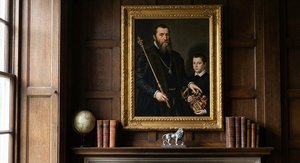
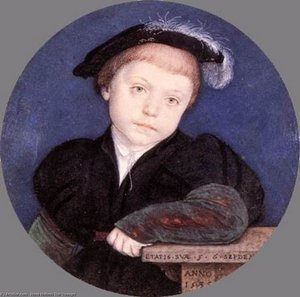 Charles Brandon
Discover 'Charles Brandon' by Hans Holbein the Younger – a captivating Renaissance portrait showcasing youthful elegance and masterful detail. Explore this iconic work at OriginalUniqueArt.
The Italian Renaissance, particularly in cities like Florence and Venice, became the epicenter of this artistic flourishing. Wealthy merchants, powerful families like the Medici, and ambitious civic leaders commissioned portraits not just as personal mementos but as statements of their position within society. Consider Johannes Vermeer’s *Lady Writing a Letter with Her Maid*. While seemingly a domestic scene, it subtly communicates affluence through the richly appointed room, the woman's elegant attire, and the very leisure afforded by having a dedicated servant. These details weren’t accidental; they were carefully chosen to convey a specific social standing. Similarly, portraits of rulers often incorporated symbols of their office – elaborate robes, heraldic crests, or depictions of military triumphs. The emphasis wasn’t solely on individual features but on the trappings of power and the responsibilities that came with it. Rogier van der Weyden's *Isabella of Portugal* exemplifies this; her regal bearing, the intricate detailing of her gown, and the solemnity of her expression all contribute to an image of dignified authority. The very act of commissioning a portrait by a renowned artist was itself a demonstration of wealth and influence.
Beyond Finery: Symbolism and Allegory in Status Representation
The Renaissance fascination with classical antiquity extended beyond mere stylistic imitation; it also informed the use of symbolism. Artists drew upon Greco-Roman mythology, literature, and philosophy to imbue portraits with layers of meaning. Objects held by the sitter – a book signifying learning, a musical instrument representing refinement, or even specific flowers carrying allegorical weight – were carefully selected to convey virtues, aspirations, or familial connections. A seemingly innocuous detail like a dog at a subject’s feet could represent fidelity and loyalty, while a landscape visible through a window might allude to the family's landholdings. The ability to decipher these hidden meanings was often a mark of social sophistication, further reinforcing the elite status of both the sitter and the viewer capable of understanding them. The subtle inclusion of classical motifs also served to associate the subject with the noble traditions of antiquity, lending an air of gravitas and intellectual prowess.
The Power of Likeness: Commemoration, Legacy, and Dynastic Identity
Portraiture wasn’t simply about representing the present; it was profoundly concerned with shaping the future. Portraits served as powerful tools for commemoration, ensuring that the likenesses – and therefore the legacies – of prominent individuals would endure through time. This desire to transcend mortality fueled a demand for increasingly realistic depictions, capturing not just physical features but also personality and character. Hans Holbein the Younger’s *Charles Brandon* is a prime example; his youthful elegance and confident gaze project an image of vitality and ambition. Furthermore, portraits played a crucial role in establishing dynastic identity. Royal families commissioned series of portraits depicting ancestors, creating visual genealogies that reinforced their claims to power and legitimacy. These galleries of likenesses weren’t merely decorative; they were carefully curated statements of continuity and authority.
Courtly Splendor: Art as a Tool of Political Propaganda
At the highest echelons of society, portraiture became an indispensable tool of political propaganda. Rulers commissioned lavish portraits designed to project an image of strength, wisdom, and divine right. These images were often disseminated widely through copies and engravings, reinforcing their authority across vast territories. The careful control over every aspect of the composition – from the sitter’s pose and attire to the background setting and accompanying symbolism – ensured that the message conveyed was precisely aligned with the ruler's political agenda. Artists understood their role in shaping public perception and often went to great lengths to flatter their patrons, emphasizing their virtues and downplaying any perceived weaknesses. The resulting portraits weren’t necessarily accurate representations of reality but rather carefully constructed illusions designed to inspire awe and obedience.
Conclusion: The Enduring Appeal of Representing Prestige
The Renaissance obsession with representing prestige continues to resonate today. While the specific symbols and conventions may have evolved, the underlying desire to capture identity, communicate status, and leave a lasting legacy remains remarkably consistent. The masterpieces created during this period not only offer invaluable insights into the social and political dynamics of the past but also demonstrate the enduring power of art to shape perceptions and influence our understanding of history. At OriginalUniqueArt, we are dedicated to making these iconic works accessible, allowing you to experience the beauty and sophistication of Renaissance portraiture firsthand – and perhaps even commission a custom reproduction that reflects your own unique story and aspirations. Whether you seek a faithful recreation of a beloved classic or a personalized portrait in the style of a master artist, our skilled artisans are committed to delivering museum-quality artwork that will be treasured for generations.