Introduction: The Enduring Appeal of Noble Character
Dignity is the right of a person to be valued and respected for their own sake, and to be treated ethically. In this context, it is of significance in morality, ethics, law and politics as an extension of the Enlightenment-era concepts of inherent, i...
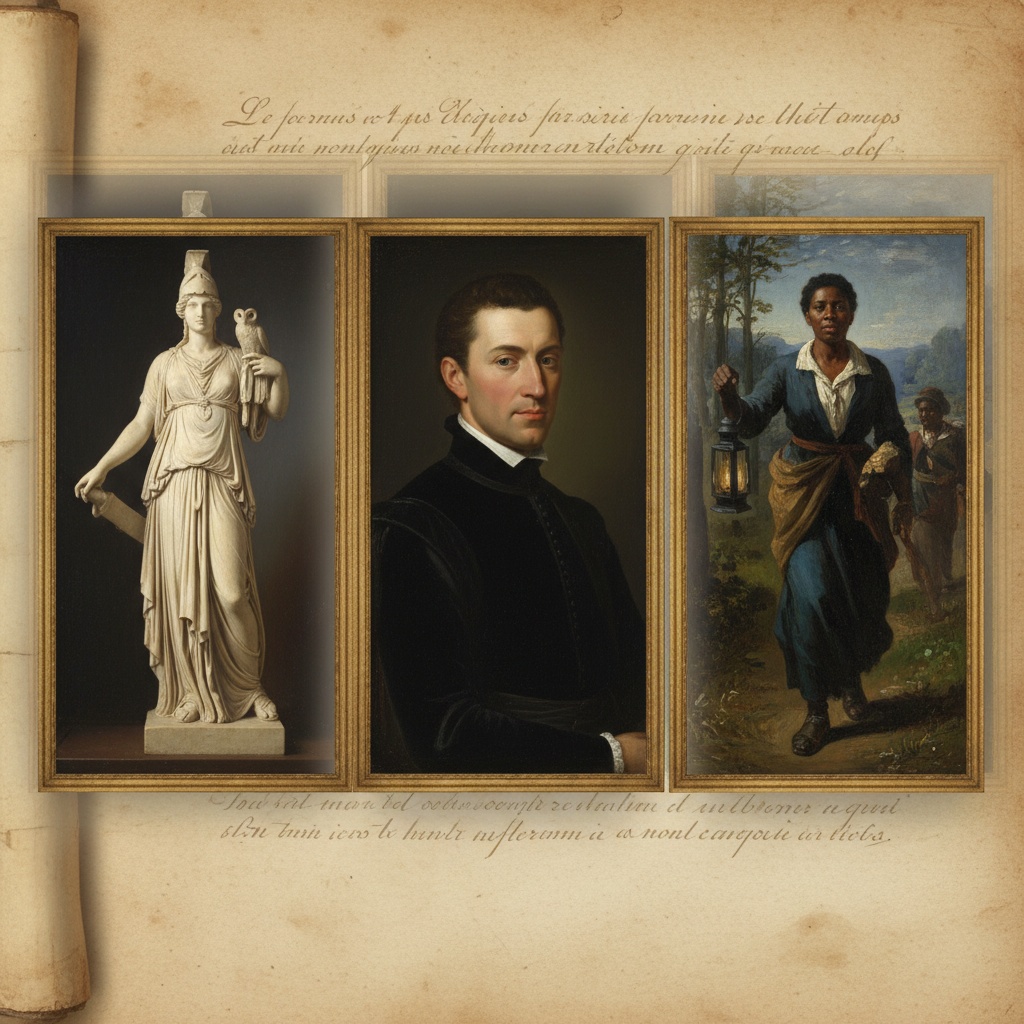
Throughout the annals of art history, certain themes resonate with a timeless power, captivating viewers across centuries. Among these, the depiction of noble character—of virtue, dignity, and moral fortitude—holds a particularly esteemed position. This fascination isn’t merely aesthetic; it speaks to a fundamental human desire to understand and celebrate excellence in being, to find visual embodiments of ideals we aspire to emulate. From the stoic philosophers of antiquity rendered in marble to the refined portraits of the Renaissance elite, artists have consistently sought to capture not just likeness, but *essence*—the inner qualities that define an individual’s worth. The enduring appeal lies in this ability to transcend time and offer a glimpse into the human condition at its most elevated.
Humanism and the Rediscovery of Classical Virtue
The Renaissance witnessed a profound shift in intellectual and artistic focus, largely fueled by the rediscovery of classical texts and philosophies. This movement, known as Humanism, wasn’t a rejection of religious faith but rather an expansion of its scope, emphasizing human potential and agency within a divinely ordained world. Scholars meticulously unearthed the writings of Cicero, Plato, and Aristotle, finding within them models of eloquence, civic duty, and moral reasoning. This renewed engagement with antiquity profoundly impacted artistic production. Artists began to move away from purely symbolic representations towards more naturalistic depictions of the human form, informed by classical ideals of beauty and proportion. Giotto’s pioneering work in Florence marked an early departure from Byzantine stylization, laying the groundwork for a greater emphasis on realism. The study of anatomy became paramount, not simply as a technical exercise but as a means to understand the physical vessel that housed the human spirit. This pursuit wasn't solely about replicating form; it was about conveying inner character through outward appearance – a subtle shift with monumental consequences.
Portraiture as a Reflection of Status, Morality, and Dignity
Renaissance humanism is a worldview centered on the nature and importance of humanity that emerged from the study of Classical antiquity. Renaissance humanists sought to create a citizenry able to speak and write with eloquence and clarity, and thus...
As Humanism flourished, portraiture emerged as a dominant genre, evolving from simple representations of power to complex explorations of personality and social standing. Patrons commissioned portraits not merely to record their likenesses but to project an image of authority, refinement, and moral virtue. Consider the works of Hans Holbein the Younger, such as his *Sir William Butts*. The meticulous detail in the rendering of fabric, jewelry, and facial features wasn’t simply a display of technical skill; it was a deliberate attempt to convey the sitter's wealth, education, and social position. But beyond mere status, these portraits often subtly alluded to the sitter’s character—through posture, gaze, and symbolic objects. A carefully chosen book might signify intellectual prowess, while a specific garment could indicate religious piety or political affiliation. Sandro Botticelli’s *Portrait of Giuliano de' Medici* exemplifies this nuanced approach; the subject’s elegant attire and contemplative expression hint at both his aristocratic lineage and his thoughtful nature.
Symbolic Representations of Nobility in Renaissance Art
The language of symbolism played a crucial role in conveying nobility within Renaissance art. Artists employed a rich vocabulary of objects, animals, and colors to imbue their portraits with deeper meaning. Titian’s *Venus in Front of the Mirror*, for example, isn't simply a depiction of beauty; it explores themes of vanity, self-awareness, and the fleeting nature of youth—a subtle commentary on the complexities of human desire. The inclusion of specific flowers could represent virtues like fidelity or purity, while certain animals were associated with qualities such as courage or wisdom. The use of color was equally significant. Deep reds often symbolized power and passion, while blues conveyed serenity and devotion. Girolamo da Cremona, known for his expressive religious scenes, frequently employed dramatic lighting and vibrant colors to emphasize the spiritual nobility of his subjects. The careful arrangement of these symbolic elements allowed artists to create portraits that were not merely visual representations but carefully constructed narratives about character and social identity.
Beyond Italy: Expanding Notions of Dignity in European Portraiture
While the Renaissance initially blossomed in Italy, its influence quickly spread across Europe, adapting to local traditions and sensibilities. In Northern Europe, artists like Valentine Ritz developed a distinctive style characterized by meticulous detail and psychological depth. His portraits often focused on the intellectual lives of his sitters—bishops, philosophers, and scholars—emphasizing their inner world rather than outward displays of wealth or power. Nicola da Urbino’s dramatic compositions and emotional intensity similarly reflect a broader European fascination with human psychology. As portraiture gained prominence in countries like England and Spain, it became increasingly associated with notions of national identity and political authority. The emphasis shifted from classical ideals towards more individualized representations of character, reflecting the unique cultural values of each region.
Collecting Character: Preserving Legacies Through Artistic Representation
The commissioning of portraits wasn’t simply a matter of personal vanity; it was an act of self-preservation—a desire to leave a lasting legacy for future generations. Patrons understood that art had the power to transcend time, preserving not just their likenesses but also their values and accomplishments. This understanding fueled the growth of art collecting as a means of establishing family dynasties and solidifying social status. The portraits themselves became symbols of authority, displayed prominently in homes and public spaces to convey prestige and influence. Today, we continue to be captivated by these works—not merely for their aesthetic beauty but for the glimpses they offer into the lives and minds of those who came before us. At OriginalUniqueArt, we strive to make these masterpieces accessible to all, offering high-quality reproductions that allow you to connect with history and preserve your own appreciation for the enduring power of noble character. Explore our collection and discover the stories behind the faces that have shaped our world—and perhaps find inspiration in their timeless virtues.