Introduction: The Unexpected Power of Playful Imagery
The pursuit of beauty in art has long been associated with grandeur, solemnity, and profound philosophical inquiry. Yet, beneath the surface of these established traditions lies a potent force often overlooked: playfulness. It is within moments of lightheartedness, gentle irony, and unburdened expression that some of the most enduring artworks find their resonance. This isn’t merely about subject matter – depictions of children at play or idyllic landscapes – but rather an underlying spirit, a willingness to embrace spontaneity and evoke genuine emotion through seemingly simple means. To truly appreciate art is to recognize this subtle power, to understand how a touch of whimsy can unlock deeper layers of meaning and connect us to the human experience on a profoundly personal level.
Impressionism's Embrace of Fleeting Moments & Emotionality
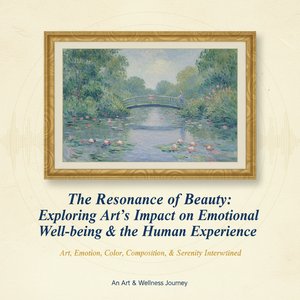
 Three Young Girls Sitting in the Grass
Explore Renoir’s ‘Three Young Girls Sitting in the Grass’! An exquisite Impressionist painting of youthful beauty & serene nature. Discover its history, style & artistic influence.
The Impressionist movement, born in 19th-century France, stands as a pivotal example of this embrace. Artists like Pierre-Auguste Renoir weren’t striving for photographic realism; instead, they sought to capture the *impression* of a moment – the play of light on water, the fleeting expressions of faces, the vibrant energy of social gatherings. Consider Renoir’s “Woman Playing Cards”, where the focus isn't solely on the act of gambling but on the intimate connection between the figures and the soft glow illuminating their scene. Or observe “In the Fields,” a serene depiction of women in nature, radiating warmth and tranquility. These paintings aren’t grand historical narratives; they are snapshots of everyday life imbued with an emotional depth achieved through loose brushstrokes, vibrant color palettes, and a deliberate rejection of academic constraints. The very act of painting *en plein air* – outdoors – fostered a sense of immediacy and spontaneity, allowing artists to respond directly to the changing conditions of light and atmosphere. This responsiveness translated into works that felt less like meticulously crafted representations and more like living, breathing experiences. “Three Young Girls Sitting in the Grass” exemplifies this beautifully; it’s not just a portrait but an evocation of youthful innocence and carefree joy.
Color as a Conduit for Emotion: A Historical Perspective
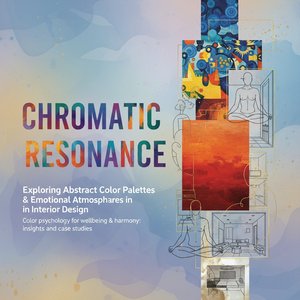
 The Chromatic Spectrum of Feeling: Exploring Color & Emotion in Art History
Explore the fascinating relationship between color and emotion in art history. Discover how master artists used color to evoke feelings & cultural meanings, plus the psychology behind it all.
The power of playfulness is inextricably linked to color, and throughout art history, masters have understood its ability to evoke specific emotional responses. From the rich reds and golds of Renaissance religious paintings designed to inspire awe and reverence, to the somber tones of Dutch Masters reflecting a sense of introspection, color has always been more than just a visual element. The Impressionists took this understanding further, experimenting with broken color and complementary hues to create vibrant, shimmering effects that captured the subjective experience of light and atmosphere. This exploration wasn’t arbitrary; it was rooted in a growing awareness of the psychological impact of color – how certain shades could elicit feelings of calm, excitement, or even unease. As explored in “The Chromatic Spectrum of Feeling: Exploring Color & Emotion in Art History,” artists consciously employed color to communicate complex emotional states and cultural meanings, laying the groundwork for later movements that would further prioritize expressive color over representational accuracy.
Beyond Representation: Exploring Abstract Expressionism and the Language of Feeling
The leap from Impressionism to Abstract Expressionism represents a radical shift in artistic priorities. While earlier movements sought to capture *something* – a landscape, a portrait, a moment in time – Abstract Expressionists aimed to express pure emotion directly onto the canvas. Artists abandoned recognizable forms altogether, relying instead on gesture, texture, and color to convey their inner states. This wasn’t about depicting joy or sadness; it was about *being* joyful or sad, translating those feelings into a visual language that bypassed rational thought and spoke directly to the subconscious. The resulting works are often characterized by a sense of spontaneity and freedom – a willingness to embrace chance and allow the painting to evolve organically. This approach requires a level of vulnerability from both artist and viewer; it’s an invitation to connect with something raw, unfiltered, and deeply personal.
The Role of Narrative and Symbolism in Evoking Emotional Responses
Even within abstract works, narrative and symbolism can play a subtle but powerful role. While the imagery may not be immediately recognizable, artists often imbue their paintings with hidden meanings and personal references that add layers of complexity and emotional resonance. Consider the work of Japanese artist Fujishima Takeji, whose romantic post-impressionist masterpieces like “Mourning for Butterflies” bridge Eastern and Western traditions. The butterflies themselves are rich in symbolism, representing transformation, fragility, and the ephemeral nature of life. Similarly, artists often employ color palettes that evoke specific cultural associations or personal memories, adding another layer of meaning to their work. The ability to decipher these hidden narratives isn’t essential for appreciating the artwork; rather, it enhances the experience, inviting viewers to engage with the painting on a deeper intellectual and emotional level.
Cultivating Playfulness in Your Collection: Finding Art That Resonates
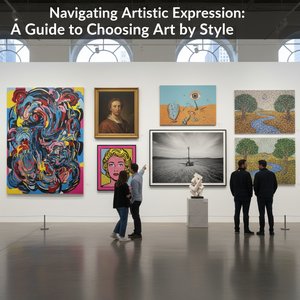 Navigating Artistic Expression: A Guide to Choosing Art by Style
Explore art history & discover your perfect style with 's expert guide. Find museum-quality reproductions, custom portraits, and personalized art consultation. Start your collection today!
Ultimately, building a meaningful art collection is about more than just acquiring aesthetically pleasing objects. It’s about surrounding yourself with works that evoke genuine emotion, spark conversation, and reflect your own unique personality. Don't be afraid to embrace playfulness – to choose pieces that make you smile, challenge your perceptions, or simply feel good. As “Evoking Emotion Through Art: A Guide to Shopping by Mood” suggests, curating a collection based on emotional tone can transform your home into a sanctuary of personal expression. Whether you’re drawn to the vibrant energy of Impressionism, the raw emotion of Abstract Expressionism, or the subtle symbolism of Japanese Yōga, OriginalUniqueArt.com offers a vast selection of museum-quality reproductions and custom paintings to help you create a space that truly reflects your soul. Explore our extensive library, consult with our art experts, and discover the power of playfulness in transforming your surroundings.