Introduction: The Enduring Appeal of Serenity in Art
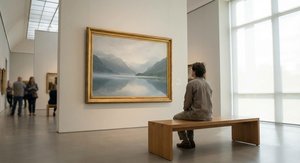
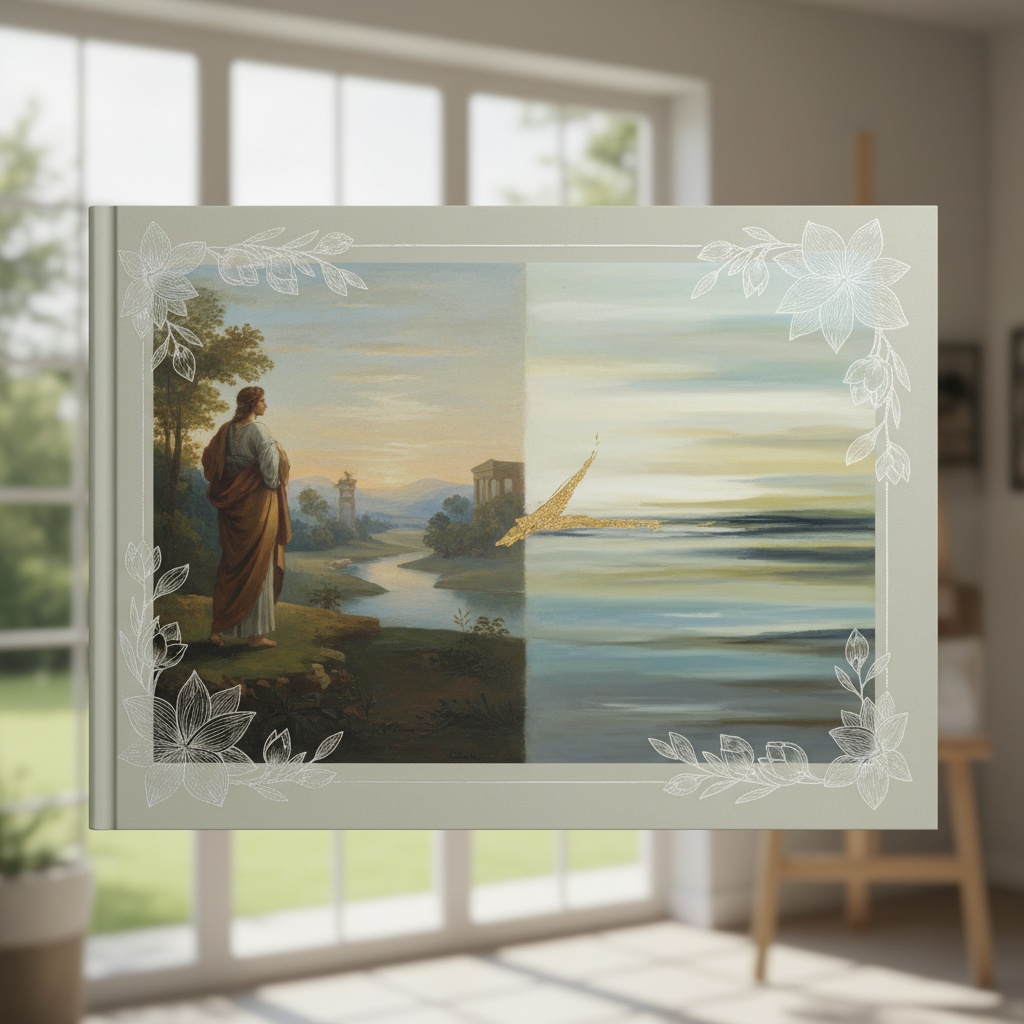
Throughout art history, the pursuit of serenity has been a constant undercurrent, manifesting in diverse styles and techniques across cultures. More than mere aesthetic preference, the desire for tranquil imagery speaks to a fundamental human need – a longing for peace amidst chaos, a connection with something larger than ourselves. From the vast landscapes that invite contemplation to intimate scenes imbued with quietude, art has consistently served as a refuge, offering viewers a space for emotional respite and spiritual renewal. This exploration delves into the historical roots of this enduring appeal, tracing its evolution through East Asian traditions and its continued resonance in contemporary practice.
Shan Shui Landscapes: Cultivating Inner Peace Through Nature's Beauty
The Chinese tradition of Shan Shui (“mountain-water”) painting provides a particularly compelling example of art dedicated to evoking serenity. Emerging centuries ago, these landscapes weren’t simply depictions of physical places; they were expressions of cosmological principles and pathways to enlightenment. Artists like Xie Shichen, whose 18th-century masterpiece “Spring Morning in the Mountains” exemplifies the genre, employed subtle brushwork and misty atmospheric effects to create a sense of depth and distance – inviting viewers into a world beyond the tangible. The layered mountains symbolize harmony and balance, while the flowing water represents the constant flux of life. The deliberate emptiness within these compositions isn’t absence, but rather an invitation for contemplation, allowing the viewer's mind to wander and find resonance with the natural world. It is a visual meditation, fostering inner peace through immersion in idealized nature. The technique itself – often involving ink washes on silk or paper – demanded patience and precision, mirroring the Zen principles of mindful practice.
Ukiyo-e’s Tranquil Moments: Capturing Ephemeral Calm in Japanese Prints
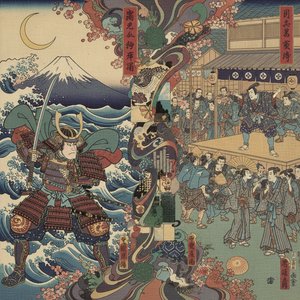
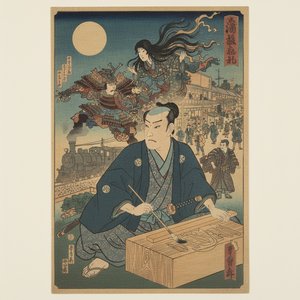
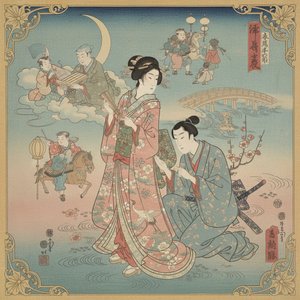
Across the East China Sea, Japanese Ukiyo-e woodblock prints offered a different yet equally potent approach to serenity. While often associated with depictions of bustling city life and celebrated courtesans, many Ukiyo-e artists also captured moments of quiet beauty within nature. Katsushika Hokusai’s “Sayama-ga-ike Pond in Musashi Province,” for instance, presents a seemingly simple scene – turtles basking in the sun amidst lily pads. However, this tranquil image is rich with symbolism. The pond itself represents longevity and peace, while the turtles embody resilience and wisdom. Hokusai's masterful use of color and line creates a sense of stillness and harmony, characteristic of Japanese aesthetics. Similarly, Ando Hiroshige’s “82. Moon Viewing” depicts a peaceful night scene, evoking a feeling of solitude and contemplation. These prints weren’t merely decorative; they were windows into fleeting moments of beauty, reminding viewers to appreciate the ephemeral nature of life.
Zen and the Brush: Exploring Spiritual Depth in East Asian Painting
Underlying both Shan Shui and Ukiyo-e traditions is a profound connection to Zen Buddhism. Artists like Sesshū Tōyō, a pivotal Japanese Zen monk and painter (1420-1506), integrated Zen principles directly into his work. His ink landscapes are characterized by bold brushstrokes, minimalist compositions, and a focus on capturing the essence of nature rather than its literal representation. Kim Myŏng-guk, a Korean painter of the Joseon dynasty, similarly infused his expressive cursive style with Zen influences, creating paintings that convey a sense of spiritual depth and immediacy. For these artists, painting wasn’t simply about technical skill; it was a form of meditation – a way to express their inner state and connect with the universal truth. The act of creation itself became a path to enlightenment, and the resulting artwork served as a catalyst for contemplation in others.
The Modern Pursuit of Serenity: Landscape Art in Contemporary Practice
The desire for serenity hasn’t waned in contemporary art. While styles have evolved, the underlying impulse remains strong. Many modern artists continue to draw inspiration from traditional landscape painting, seeking to capture the beauty and tranquility of nature in new and innovative ways. This pursuit often involves a simplification of form, a focus on color and texture, and an emphasis on creating immersive experiences for the viewer. The power of landscape art to evoke emotional responses – feelings of peace, calm, and connection – is particularly relevant in today’s fast-paced world. It offers a much-needed antidote to the stresses of modern life, providing viewers with a space for reflection and renewal.
Bringing Tranquility Home: Selecting Art for a Peaceful Environment
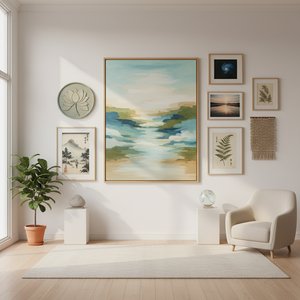
Ultimately, the selection of art for your home is a deeply personal process. If you’re seeking to cultivate a more peaceful environment, consider artwork that resonates with your own sense of tranquility. Subtle landscapes, calming color palettes, and minimalist compositions are all excellent choices. Whether you prefer the grandeur of Shan Shui paintings, the delicate beauty of Ukiyo-e prints, or contemporary interpretations of nature, OriginalUniqueArt offers a vast collection to suit your taste. Remember that art isn’t just about aesthetics; it's about creating an emotional connection and fostering a sense of well-being within your living space. Explore our curated selection today and discover the perfect piece to bring serenity into your home.