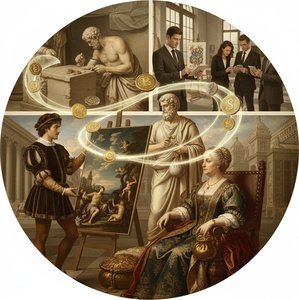
The Enduring Allure of Classical Portraiture: Why Commissioning a Historical Painting Today?
For centuries, the human face has been the most compelling canvas for storytelling. Before the advent of photography, portraiture wasn’t merely about capturing likeness; it was an act of commemoration, a declaration of status, and a profound exploration of character. While modern technology offers instant imagery, there remains an undeniable power in the deliberate artistry of a hand-painted portrait – particularly one rendered in the styles of masters past. Today, commissioning a historical painting isn’t simply acquiring an artwork; it's forging a connection with artistic traditions spanning generations and creating a tangible legacy that transcends fleeting digital trends.
The desire for this enduring quality stems from a deeper human need to be remembered, not just as we appear in a single moment, but as we wish to be perceived. A portrait created in the manner of Rembrandt van Rijn, for instance, isn’t merely a visual representation; it's an invocation of his signature chiaroscuro – that masterful play of light and shadow that reveals inner life and profound wisdom. It speaks to a longing for depth, introspection, and emotional resonance that a photograph often struggles to convey. The very act of sitting for such a portrait becomes a meditative experience, a collaboration between artist and subject resulting in something far more significant than a simple likeness.
Navigating Styles & Eras: From Renaissance Grandeur to Dutch Golden Age Intimacy
Choosing the right artistic style is paramount when embarking on this journey. Each period offers a unique aesthetic vocabulary, imbued with specific cultural values and technical approaches. The Italian Renaissance, for example, presents a spectrum of possibilities – from the idealized grandeur of Florentine portraiture, emphasizing noble bearing and classical proportions, to the subtle nuances of Venetian painting, celebrated for its rich colors and atmospheric perspective. Consider the works of Leonardo da Vinci or Raphael; their portraits exude an air of intellectual refinement and timeless beauty.
Contrast this with the Dutch Golden Age, a period characterized by realism, intimacy, and psychological depth. Artists like Rembrandt and Govert Teuniszoon Flinck excelled at capturing the subtleties of human emotion, often depicting sitters in their domestic settings or engaged in everyday activities. Their portraits are less about idealized perfection and more about authentic representation – wrinkles, imperfections, and all. The Regency period, exemplified by Sir Thomas Lawrence, offers a distinctly British elegance, with graceful poses, luxurious fabrics, and flattering depictions of aristocracy. Early Netherlandish realism, as embodied by Hans Memling, prioritizes meticulous detail and devotional beauty, often incorporating symbolic elements that speak to the sitter’s faith or social standing.
Finding Your Artistic Partner: Selecting the Right Artist for Your Vision
The success of your commission hinges on finding an artist who not only possesses technical skill but also understands your vision. Seek out painters specializing in historical techniques – those with a deep knowledge of classical materials, composition, and brushwork. A thorough review of their portfolio is essential; does their work demonstrate the stylistic qualities you admire? Beyond technique, consider their collaborative approach. A truly exceptional artist will actively listen to your ideas, offer insightful suggestions, and provide regular updates throughout the process.
Don’t hesitate to inquire about their experience with similar commissions and request references from previous clients. A strong rapport is also vital; you'll be working closely together for an extended period, so a comfortable and communicative relationship is paramount. Look for artists who are passionate about art history and dedicated to preserving traditional techniques – those who view the commission not merely as a job but as an opportunity to create something truly special.
The Commission Process Unveiled: From Initial Consultation to Final Masterpiece
The commissioning process typically unfolds in several stages, beginning with an in-depth consultation where you discuss your vision with the artist – desired style, pose, setting, clothing, and overall mood. High-quality photographs are essential for capturing likeness, but artists often prefer multiple images from different angles and lighting conditions to ensure accuracy. A preliminary sketch or digital mockup is usually created to refine the composition and proportions before painting begins.
The actual painting process can take several weeks or months, depending on the size and complexity of the portrait. Throughout this stage, the artist may provide updates and seek your feedback, ensuring that the artwork aligns with your expectations. Once completed, the painting is varnished to protect the surface and enhance its colors. Framing (if desired) adds a final layer of polish, transforming the artwork into a ready-to-display heirloom.
Symbolism and Narrative: Adding Depth and Meaning to Your Portrait
Beyond capturing likeness, historical portraits often incorporate symbolic elements to convey deeper meaning. This tradition dates back centuries, with objects, clothing, colors, and even poses carrying specific connotations related to status, virtue, or personal beliefs. For example, certain flowers might symbolize love or fidelity, while specific fabrics indicated wealth or social standing. The background setting can also be rich in symbolism, representing a person’s profession, interests, or aspirations.
Understanding these historical conventions allows you to incorporate meaningful elements into your portrait, creating a richer and more personalized narrative. A carefully chosen book might signify intellectual pursuits, while a specific landscape could evoke cherished memories or represent a sense of belonging. The artist can guide you through this process, suggesting appropriate symbols and ensuring that they are seamlessly integrated into the composition.
Preserving a Legacy: Caring for Your Historical-Style Painting for Generations
A hand-painted portrait is an investment in artistry, heritage, and personal expression – one that deserves careful preservation. Protecting your artwork from direct sunlight, extreme temperatures, and humidity is crucial for preventing fading and deterioration. Avoid displaying it in areas prone to smoke or pollutants. Regular dusting with a soft brush can remove surface dirt and debris.
Professional cleaning should be undertaken only by a qualified conservator. Proper framing also plays a vital role – choose acid-free materials and UV-protective glass to safeguard the artwork. With proper care, a historical-style portrait can last for generations, becoming a cherished heirloom that connects you to your past and inspires future generations. At OriginalUniqueArt.com, we are dedicated to providing museum-quality reproductions and expert guidance to help you create a lasting legacy.
- Explore our extensive collection of historical portrait styles.
- Discover the artists who can bring your vision to life.
- Begin your journey towards creating a timeless masterpiece today.